


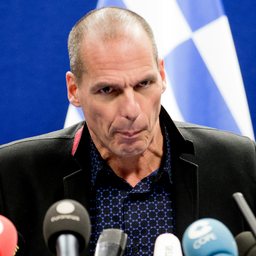
 Shkruar nga Yanis Varoufakis
A new, tougher, colder world order rose from the grave of European ambition in 2025. The enduring lesson of this year is that in an age of existential competition, strategic dependence is the prelude to irrelevance...
This was the year when the remaining pillars of the late 20th century order crumbled, exposing the hollow core of what was known as a global system. Three strikes were enough.
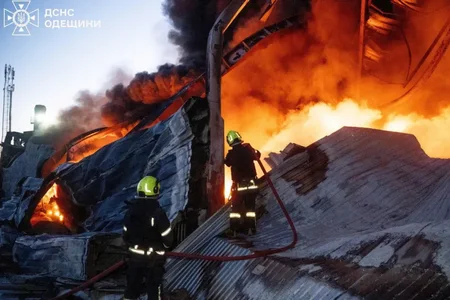
The first was Russia’s imminent victory in Ukraine over the combined leadership of Europe. For nearly four years, the European Union and NATO engaged in a dangerous double game. On the one hand, they pledged to a Ukrainian victory that they were unwilling to finance. On the other, they used this endless war to advance a new domestic political and economic consensus: military Keynesianism would be their last stand against the deindustrialization of Europe.
On a continent where debilitating political constraints prevented deficit-financed green investments or substantial social policies, the war in Ukraine provided a powerful justification for channeling public debt into the defense industrial complex. The unspoken truth was that perpetual war served a critical function: it was the perfect engine for a Keynesian boost to Europe’s stagnant economy.
The contradiction was fatal: If the war in Ukraine ended with a peace agreement, it would be difficult to sustain this economic boost. However, achieving a victory that would justify the expense was considered too costly financially and too risky geostrategically.
So Europe decided on the worst possible strategy: sending enough equipment to Ukraine to prolong the bloodshed without changing its course.
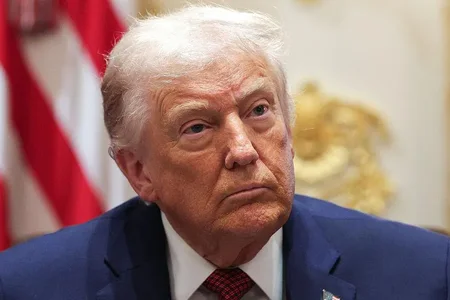
Now that Russia is poised to triumph (a predictable outcome that US President Donald Trump simply brought forward), the EU's best-laid plans are in ruins. Europe has no Plan B for peace because its entire strategic posture had become dependent on continuing the war.
Whatever dirty peace deal the Kremlin and Trump’s people ultimately impose on Ukraine will do more than simply redraw a border. Whether or not Russia remains a threat to Europe, the latter is about to lose the pretext for its nascent military-industrial boom and thus warns of new austerity.
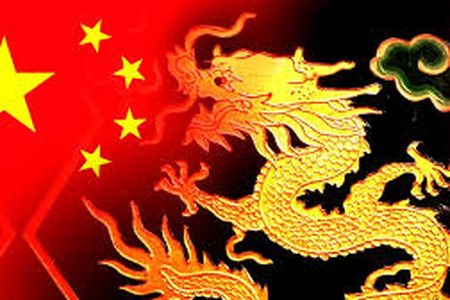
Goditja e dytë ishte se Kina fitoi luftën tregtare kundër Shteteve të Bashkuara. Strategjia e SHBA-së, e iniciuar nën administratën e parë të Trump dhe e intensifikuar nën Joe Biden , ishte një lëvizje e prerë: barriera tarifore për të paralizuar aksesin kinez në tregje dhe embargo mbi gjysmëpërçuesit e përparuar dhe mjetet e prodhimit për të paralizuar ngjitjen e saj teknologjike. Në vitin 2025, kjo strategji u përball me Waterloo-n e saj dhe Evropa ishte përsëri dëmi kryesor kolateral.
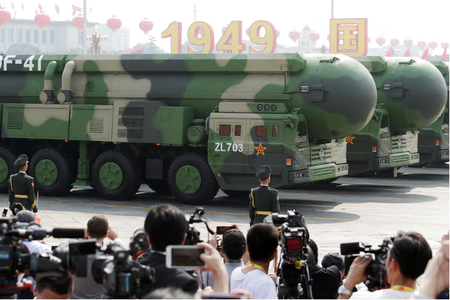
Kina reagoi me një përgjigje mjeshtërore me dy pjesë. Së pari, ajo përdori dominimin e saj mbi metalet e rralla dhe mineralet kritike, duke shkaktuar një bllokim të zinxhirit të furnizimit që paralizoi jo aq shumë prodhimin e gjelbër amerikan, por edhe evropian dhe të Azisë Lindore. Së dyti, dhe më e dëmshmja për qëndrimin e Amerikës si lider global i teknologjisë, Kina mobilizoi "sistemin e saj të tërë kombit" drejt një qëllimi të vetëm: autarkisë teknologjike. Rezultati ishte një përshpejtim marramendës në prodhimin vendas të çipave, me SMIC dhe Huawei që arritën përparime që e bënë embargon perëndimore të udhëhequr nga SHBA-ja jo vetëm të vjetëruar, por edhe kundërproduktive.
Ky është ndoshta shoku me pasojat më afatgjata. Në vitin 2025, SHBA-të u treguan të paafta për të ngadalësuar ngritjen e Kinës dhe, në vend të kësaj, pa dashje e çuan sektorin e saj të teknologjisë drejt pavarësisë së plotë.
Dhe Evropa, pasi i kishte imponuar me bindje Kinës sanksionet e diktuara nga Shtëpia e Bardhë, mbeti me më të keqen e të gjitha botëve: gjithnjë e më shumë e përjashtuar nga tregu fitimprurës kinez për mallrat e saj me vlerë të lartë, por pa marrë asnjë nga subvencionet e tepërta dhe përfitimet e Aktit të Reduktimit të Inflacionit të SHBA-së, tani të anuluar. Duke zgjedhur të vepronte si një nënkontraktor strategjik për SHBA-në, BE-ja përshpejtoi deindustrializimin e vet. Kjo nuk ishte një humbje në një luftë tregtare; ishte një shah mat gjeopolitik dhe Evropa u shfaq vetëm si pion i palës humbëse.
Goditja e tretë ishte lehtësia me të cilën Trump fitoi luftën e tij tarifore me BE-në. Në fund të takimit të tyre në një nga klubet e golfit të Trump në Skoci, të koreografuar nga njerëzit e tij për të maksimizuar poshtërimin e saj, Ursula von der Leyen, presidentja e Komisionit Evropian, u përpoq ta portretizonte një dokument dorëzimi si një "marrëveshje historike".
Tarifat mbi eksportet evropiane në SHBA u rritën nga rreth 1.2% në 15% dhe në disa raste në 25% dhe 50%. Tarifat e BE-së që ishin vendosur prej kohësh mbi eksportet amerikane u anuluan.
Së fundmi, por jo më pak e rëndësishme, Komisioni u zotua për 600 miliardë dollarë investime evropiane në industrinë amerikane në tokën amerikane, para që mund të vijnë vetëm nga devijimi kryesisht i investimeve gjermane në fabrikat kimike në Teksas dhe fabrikat e makinave në Ohajo.
This was more than a bad deal. It was an unprecedented capital-extraction treaty. It formalized the EU's transition from an industrial competitor to a claimant. Europe would be a source of capital, a regulated market for American goods, and a junior technologically dependent partner.
To add insult to injury, this new reality was codified in a binding commitment, to which all 27 EU member states have now agreed, stripping the bloc of any claim to sovereignty. Some of the capital that Trump needs to consolidate his vision of a G2 world structured around the Washington-Beijing axis is now contractually bound to flow from Europe to the West.
These three shocks form a synergistic trilogy. Europe’s defeat in Ukraine has exposed its strategic blind spots and damaged its Keynesian military project. Trump’s embrace of Chinese President Xi Jinping has unleashed a flood of Chinese exports into the EU. The blackmail in Scotland has cost Europe its accumulated capital and any remaining hope for equality.
In the world of G2, the imagined global village is a gladiatorial arena, where the EU and the UK now wander aimlessly. A new world order, harsher and colder, has risen from the grave of European ambition. The enduring lesson we learned this year is that, in an age of existential confrontation, strategic dependence is the harbinger of irrelevance. / Adapted from Project-Syndicate /


Lini një Përgjigje