


 Shkruar nga Pamfleti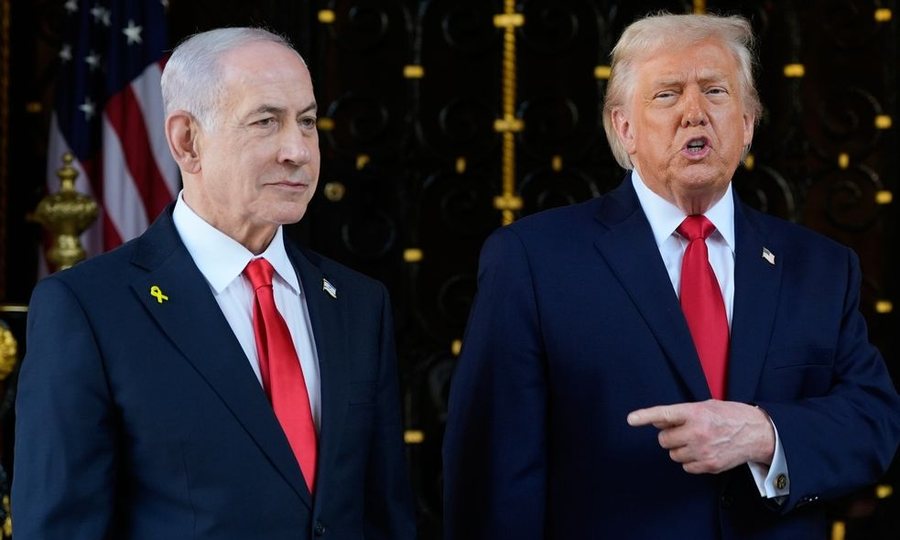
The latest clashes between Iran and Israel have highlighted the growing tensions between Donald Trump and Benjamin Netanyahu. While Washington seeks stability and a deal with Tehran, the Israeli prime minister seems determined to keep up the military pressure, making the current ceasefire extremely fragile.
The recent military escalation between Iran and Israel may have temporarily stopped, but developments over the weekend showed that the region remains far from a lasting peace. The exchange of missiles between the two regional rivals not only demonstrated the fragility of the existing ceasefire, but also highlighted an increasingly important factor in the crisis: the tense and often contradictory relationship between US President Donald Trump and Israeli Prime Minister Benjamin Netanyahu.
For months, the US administration has tried to portray the ceasefire as a diplomatic success for Washington. Trump has repeatedly stated that he has control over developments in the region and that the process towards a broader agreement is advancing. However, Israel's recent actions have shown that Netanyahu continues to make independent decisions, even when they conflict with the wishes of his country's most important ally.
In an interview with the Financial Times, Trump sought to clearly emphasize the hierarchy in the relationship between the two leaders.
"I make all the decisions. He's not the one who decides," the US president declared.
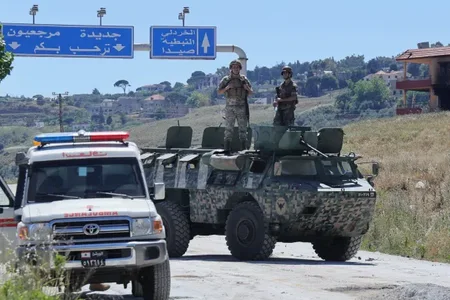
The statement came after reports that just days earlier Trump had had an extremely tough conversation with Netanyahu. According to sources cited by US media, the US president had warned his Israeli counterpart not to expand military operations in Lebanon and to avoid attacks on Hezbollah-linked targets in Beirut.
The US administration feared that such an attack could provoke a direct Iranian response and collapse the fragile ceasefire that had been painstakingly built over recent months.
However, after Israel reported losses on the Lebanese front, Netanyahu authorized bombing of the Dahiyeh area of southern Beirut, known as Hezbollah's main stronghold. The Iranian reaction was not long in coming. Tehran launched a series of missiles towards Israel, significantly increasing fears of a wider regional conflict.
Israeli air defense systems managed to neutralize most of the missiles, but the clash did not end there. Despite Trump's calls for restraint, Netanyahu ordered counterattacks on Iranian targets. The attacks and counterattacks continued until the early hours of Monday, when both sides agreed to a temporary halt to military operations.
Ky zhvillim i dha administratës amerikane mundësinë të rikthejë në fokus përpjekjet diplomatike. Trump deklaroi në platformën e tij Truth Social se negociatat do të përparonin me shpejtësi dhe se një “marrëveshje përfundimtare” mund të ishte më afër se kurrë. Megjithatë, tregjet ndërkombëtare dhe analistët e sigurisë reaguan me skepticizëm, pasi deklarata të ngjashme janë bërë disa herë gjatë muajve të fundit pa sjellë rezultate konkrete.
Dy liderë me interesa të ndryshme
Sipas analizës, dallimet mes Trumpit dhe Netanyahut janë bërë gjithnjë e më të dukshme që nga fillimi i konfrontimit të drejtpërdrejtë me Iranin.
Fillimisht, të dy liderët dukeshin të bashkuar në qëllimin për të ushtruar presion maksimal ndaj Teheranit. Megjithatë, situata ndryshoi kur u bë e qartë se objektivat që Izraeli kishte paraqitur – përfshirë dobësimin vendimtar të regjimit iranian apo edhe ndryshimin e tij, nuk mund të arriheshin shpejt.
Për Trumpin, konflikti filloi të krijonte kosto të konsiderueshme politike dhe ekonomike. Mbyllja e pjesshme e trafikut në Ngushticën e Hormuzit dhe pasiguria në tregjet energjetike sollën rritje të çmimeve të naftës dhe shqetësime për ekonominë amerikane.
Kjo është veçanërisht problematike për presidentin amerikan në prag të zgjedhjeve. Rritja e çmimeve të energjisë, inflacioni dhe paqëndrueshmëria ekonomike mund të dëmtojnë pozitat e tij politike. Për më tepër, administrata amerikane synon të shmangë çdo krizë të madhe ndërkombëtare gjatë periudhës kur SHBA do të jetë në qendër të vëmendjes globale për ngjarje të rëndësishme sportive dhe ekonomike.
Netanyahu përballet me një realitet krejt tjetër.
Kryeministri izraelit hyn në muajt e ardhshëm nën presion të madh politik. Koalicioni i tij qeverisës përballet me rrezikun e humbjes së zgjedhjeve që duhet të mbahen deri në fund të tetorit. Për më tepër, pas disa viteve konfliktesh dhe operacionesh ushtarake, shumë votues izraelitë kërkojnë rezultate konkrete.
Kritikët e Netanyahut argumentojnë se ai nuk ka arritur të neutralizojë kërcënimet kryesore ndaj Izraelit. Irani vazhdon të mbetet aktor i fuqishëm rajonal, Hezbollahu ruan kapacitetet ushtarake në Liban dhe Hamasi ende nuk është eliminuar plotësisht si forcë operative.
Në këtë kontekst, Netanyahu ka interes politik që të vazhdojë presionin ushtarak, me shpresën se një zhvillim i madh strategjik, si destabilizimi i regjimit Iranian, mund të ndryshojë klimën politike në Izrael.
Frika e Izraelit nga një marrëveshje SHBA-Iran
Një nga pikat më të mëdha të përplasjes mes Trumpit dhe Netanyahut lidhet me negociatat amerikano-iraniane.
Sipas raportimeve, Izraeli është lënë kryesisht jashtë bisedimeve që po zhvillohen për një marrëveshje të re. Kjo ka krijuar shqetësim në Jerusalem.
Versionet e deritanishme të marrëveshjes do t'i lejonin Iranit të mbante një program bërthamor të kufizuar nën mbikëqyrje ndërkombëtare, ndërsa në këmbim do të përfitonte lehtësime ekonomike dhe njohje të caktuara diplomatike.
For Netanyahu, this would constitute an unacceptable compromise.
The Israeli government has argued for years that any Iranian nuclear program poses a strategic threat to Israel's national security. Moreover, Tehran has demanded that any future agreement include restrictions on Israeli operations against Hezbollah in Lebanon, which would reduce the Israeli military's freedom of action.
For this very reason, many officials close to Netanyahu believe that the negotiations will ultimately fail and that the US will return to a more confrontational policy towards Iran.
Indispensable allies, but strategic rivals
Despite their disagreements, neither Trump nor Netanyahu can tear themselves away from each other.
Israel remains dependent on American military, diplomatic, and economic support. No Israeli prime minister can afford an open clash with Washington.
On the other hand, Trump considers Israel a key ally in the Middle East and an important element of his foreign policy.
However, the relationship between the two leaders has become more complicated than ever. Both have built their careers on the ability to identify the weaknesses of their opponents, and today they seem to know each other's weaknesses well.
Trump reportedly told Netanyahu in a private conversation that without American support he would face serious political and legal consequences. Although the authenticity of these statements has not been officially confirmed, they reflect the level of tension that currently exists between the two leaders.
A still uncertain ceasefire
The weekend's events showed that the ceasefire in the Middle East remains extremely fragile. Any local incident has the potential to quickly escalate into a regional crisis.
While Trump tries to advance a diplomatic solution and avoid a costly new war, Netanyahu continues to believe that military pressure can produce results that diplomacy cannot achieve.
This strategic difference between the two leaders has become one of the most important factors that will determine the future of the region. As long as Washington and Jerusalem do not share the same vision for Iran and regional security, the current ceasefire will remain vulnerable and the Middle East will continue to live under the shadow of a new escalation. /Adapted Pamphlet /


Lini një Përgjigje