


 Shkruar nga Paolo Rossetti
An agreement is only possible if Washington acts independently of Israeli pressure. Meanwhile, in Israel, the divide between the security structures and the political leadership is deepening. The failure of diplomacy could pave the way for more extreme scenarios...
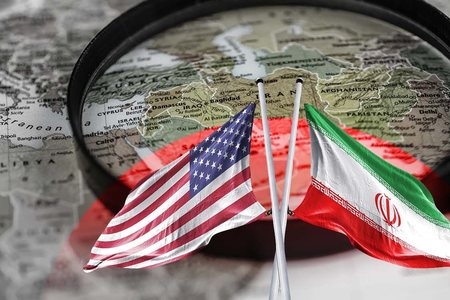
Iran and the United States will return to talks. Or at least, there is a possibility that this will happen. However, the negotiations can only be concluded successfully if the Americans decide to pursue their own interests and not those of Israel, or rather those of Benjamin Netanyahu.
Because, as Nima Baheli, a geopolitical and intelligence analyst, notes, Israeli military and intelligence structures have long made it clear to the prime minister that an agreement with Iran, even on the nuclear issue, would not jeopardize the country's survival.
However, the prime minister and his government need the war to stay politically afloat. But in the absence of a successful negotiation, war scenarios could take on apocalyptic proportions.
Donald Trump has hinted that he does not rule out the use of nuclear weapons, while Tehran has signaled that it is ready to respond in kind, by striking an Israeli nuclear power plant.
In Islamabad, or according to some in Geneva, Iran-US negotiations may resume. So what did we see last Saturday in Pakistan?
The meeting in Islamabad was a first attempt to confront the maximalist Iranian and American positions and study each other. It was the highest-level meeting in the last 50 years between Iranian and American authorities.
On the other hand, the current state of the conflict, where the US has achieved some results and the Iranians have shown a capacity for resistance, makes this moment theoretically more favorable for a negotiation. It is not excluded that these two weeks of ceasefire will be used to seek mediation between the parties.
US Vice President JD Vance has stated that the Iranians must hand over their enriched uranium and give up their nuclear weapons...
If an agreement were to be truly reached, there are several non-negotiable points for Iran: its ballistic and hypersonic missile program, as well as support for regional allies such as Hezbollah, Shiite militias in Iraq, and the Houthis.
However, the Islamic Republic could negotiate a limit on uranium enrichment and a temporary freeze for several years in exchange for sanctions relief. This is another essential element. The January protests were fueled by economic demands, and the current leaders in Tehran should try to “normalize” the country’s economy.
Nëse këto janë kushtet e panegociueshme, a mbetet i lartë rreziku që të mos arrihet një marrëveshje?
Kjo varet nga hapësira e veprimit që do të ketë Trump. Nëse do të vendosë në interes të Uashingtonit apo nëse do të marrë parasysh interesat e Tel Avivit. Në rastin e dytë, platforma e tij do të ishte maksimaliste dhe një marrëveshje do të ishte e vështirë të arrihej.
Nëse kërkesat do të përshtateshin vetëm me nevojat e Uashingtonit, do të ishte i arritshëm një version i ri i marrëveshjes bërthamore të vitit 2015, e njohur si JCPOA.
Vance ka deklaruar gjithashtu se tani topi është në fushën e iranianëve. Në realitet, a është SHBA-ja ajo që duhet të ndryshojë qëndrim?
Në fakt, përgjegjësia bie më shumë mbi Shtetet e Bashkuara. Ali Khamenei kishte shpallur një fetva që ndalonte prodhimin dhe përdorimin e armëve të shkatërrimit në masë, duke e bërë atë një çështje jo thelbësore për Iranin. Për pjesën tjetër, elementi i parandalimit që zotëron Irani janë kapacitetet raketore dhe dronët.
Nëse do të hiqte dorë nga këto pa marrë asgjë në këmbim, sidomos përballë një presidenti amerikan me qëndrime të luhatshme, kjo do të përbënte një dorëzim pa kushte dhe disi të paarsyeshëm. Kjo do t’i jepte Shteteve të Bashkuara mundësinë të përcaktonin të ardhmen e Iranit.
Por Teherani ka nevojë për heqjen e sanksioneve. Zhbllokimi i 7 miliardë dollarëve fonde iraniane të bllokuara në Kore dhe Katar nuk do të ishte i mjaftueshëm.
Brezi i ri i drejtuesve në Iran e di se është momenti për të zhbllokuar një situatë shumë konfliktuale sidomos 30 vitet e fundit mes Iranit dhe Amerikës, por edhe Netanyahu është i bindur se nuk ka moment më të mirë për të goditur Iranin, duke parë dobësitë e tij. Si mund detyrohet apo bindet Izraeli të heqë dorë nga ky plan?
Izraelitët janë të vetëdijshëm se në një përballje të drejtpërdrejtë “një kundër një” me Iranin, nuk do të arrinin të triumfonin. Ata kanë nevojë për mbështetjen e Shteteve të Bashkuara. Nëse Uashingtoni do të deklaronte qartë se nuk dëshiron të përfshihet në këtë luftë, kjo do ta detyronte Tel Avivin të zbusë politikën e tij agresive. Megjithatë, duhet bërë dallimi mes lidershipit politik izraelit dhe strukturave të larta ushtarake dhe të inteligjencës.
Pse?
Sepse këto të fundit kanë theksuar më shumë se një herë se Irani nuk përbën një kërcënim ekzistencial për Izraelin dhe një pjesë e konsiderueshme e tyre ishte në favor të marrëveshjes bërthamore të epokës së Obamës.
Nga ana tjetër, kemi një klasë politike të përfaqësuar nga Netanyahu, që ka nevojë për konfliktin për të mbijetuar politikisht. Ata që e njohin më mirë dosjen - pra ushtarakët dhe inteligjenca - janë të mendimit se një negociatë me Teheranin është e realizueshme pa rrezikuar mbijetesën e Izraelit.
Nëse nuk do të kishim asnjë marrëveshje në fund të armëpushimit, çfarë skenari mund të presim?
It is no coincidence that Pakistan has offered itself as a mediator for this potential deal. It represents a meeting point between Chinese and Saudi interests. There is a developing coordination between Pakistan and Saudi Arabia, which reflects a broader agreement between China and the Gulf Arab states, with the exception of the Emirates.
This also explains the Saudis' stance against a blockade of the Strait of Hormuz, which would also be difficult to implement in practice.
What are these difficulties?
Donald Trump has threatened to impose a naval blockade off the Iranian coast. But if American ships come within 500 kilometers of these shores, they would risk being hit. Therefore, he has sought the support of Arab or European navies, to serve as a shield. But it remains unclear whether this would be acceptable to public opinion in these countries. The policy of massive bombing also remains questionable in terms of effectiveness.
So what other scenario can we see?
Donald Trump has hinted, without directly stating it, at the possibility of using nuclear weapons. In this context, the recent resignations at the highest levels of the US military can also be interpreted as a sign of unwillingness to pursue such an extreme approach.
Can the Americans realistically threaten to use nuclear weapons?
Tehran has considered this possibility. A few weeks ago, the Iranians fired hypersonic missiles at areas near the Dimona nuclear power plant in Israel. The message is clear: in the event of a nuclear attack on Iran, they could strike Dimona, which would essentially constitute a nuclear attack on Israel.
Such a development would have serious global consequences, risking "normalizing" the use of nuclear weapons in other conflicts, such as in Ukraine or Taiwan - a scenario that is in no one's interest./ Adapted from "Pamfleti" by "Il Sussidiario".


"Qeveria Netanyahu" izraelite ka filluar të vërë në provë durimin e turqve, por ky nuk është një lajm i mirë. Mund të krijojë konflikte të shpejta midis Egjiptit dhe Jordanisë.