


 Shkruar nga Pamfleti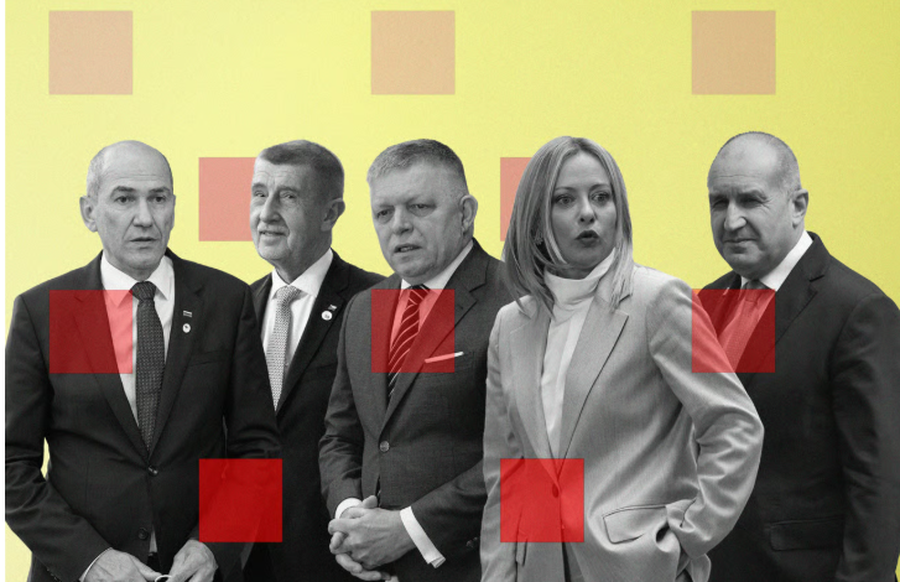
After 16 years at the Council table, the departure of the Hungarian leader does not guarantee the end of deadlock in the European Union
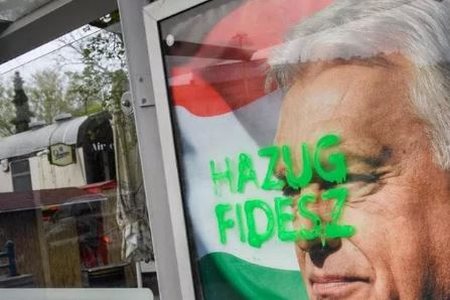
Viktor Orban is gone, and his crown as the European Union’s chief obstacle is now open to others to take. The transition comes at a sensitive time, when the bloc relies on unity to pass sanctions, budgets and other decisions that still require unanimity. European Commission President Ursula von der Leyen reacted immediately this week to Orbán’s defeat by suggesting changes to voting rules to avoid future deadlocks.
For years, the Hungarian prime minister has used his veto to block key initiatives, particularly on EU support for Ukraine. After a crushing defeat in Sunday's election, he is expected to be replaced by Péter Magyar, a center-right figure who has signaled a willingness to cooperate more closely with Brussels.
Some hope that Magyar’s victory will make it easier to reach a consensus. “My impression is that the political model of being a systemic and structural obstacle collapsed with Fidesz’s heavy defeat,” said an EU diplomat, speaking on condition of anonymity.
However, Orbán's departure does not mean that von der Leyen or Kiev can rest easy. The European Council, where the 27 leaders meet to make decisions, still includes some of his allies and some other figures who could become new obstacles.
Below are five leaders who could take on this role:
Close ally: Slovak Prime Minister Robert Fico
The Slovak prime minister has often been Orbán's main veto partner, blocking sanctions on Moscow and seeking exemptions from the EU's €90 billion loan for Ukraine. With Orbán gone, Fico remains the Kremlin's closest ally in the EU.
“I am interested in being a constructive actor in the European Union, but not at the expense of the Slovak Republic,” he declared last summer.
Fico warned last month that he could veto funds for Ukraine if Orbán loses the election. Budapest has blocked the disbursement of those funds for months because of a dispute with Kiev over an oil pipeline. Meanwhile, Magyar has signaled that he will not stand in the way of the EU.
It remains to be seen whether Fico will carry out the threat or align himself with the EU's position, as he has previously backed down and supported joint decisions.
Billionaire populist: Czech Prime Minister Andrej Babić
The Czech prime minister, a 71-year-old billionaire often called the “Czech Trump,” has shown similar tendencies to Orbán. He was among the leaders who called for exemptions from funding for Ukraine and has called for reduced support for Kiev.
Babić has also criticized the EU's climate policies, arguing that the carbon quota system harms Czech industry.
According to an EU diplomat, right-wing leaders are expected to be "tough on some issues," but not necessarily outright blockaders.
The Balancer: Italian Prime Minister Giorgia Meloni
The Italian leader has pursued a pragmatic line towards Brussels, balancing nationalist politics with a pro-EU stance on international affairs. She has collaborated with other leaders to strengthen migration policies through consensus.
One diplomat described her as “completely different” from Orbán, while another highlighted the ideological ties between them. At a recent summit, Meloni was the only one to express sympathy for Orbán’s position on funding for Ukraine.
The populist on the rise: Slovenia's Janez Jansa
The former Slovenian prime minister, a right-wing populist figure and supporter of Donald Trump, could return to power after the recent elections. It is not yet clear whether he or current Prime Minister Robert Golob will form the government.
Unlike Orbán and Fico, Jansa supports Ukraine's EU membership and visited Kiev at the beginning of the Russian invasion to show support.
The unpredictable factor: Rumen Radev of Bulgaria
The former Bulgarian president has created a new party and is expected to win parliamentary elections. He has expressed skepticism about military aid to Ukraine, arguing that it is not a solution.
In 2025, Radev declared that Ukraine was “doomed” to war with Russia and blamed European leaders for escalating the conflict. His stances have sparked strong reactions, including a public clash with Ukrainian President Volodymyr Zelensky in 2023.
According to Politico's analysis, Orbán's departure could change the dynamics within the EU, but it does not eliminate the risk of deadlock in decision-making, as other leaders could take on a more challenging role in the future. /Adapted from Pamphlet /


Lini një Përgjigje