


 Shkruar nga Pamfleti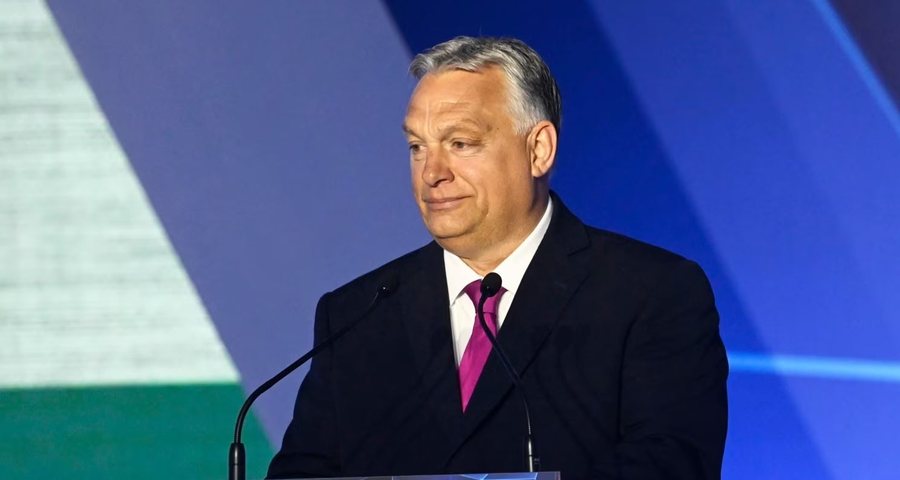
Hungarian Prime Minister Viktor Orban assessed the agreement within the European Union (EU) to review the rules regarding migrants and asylum seekers as unacceptable.
" Brussels is abusing its power. They want to forcibly relocate the migrants to Hungary. This is unacceptable, they want to forcefully turn Hungary into a country of migrants ," Orban said on June 9.
A day ago, the interior ministers of the EU member states agreed on two main legal proposals for migration and asylum, which should be the main pillars of reforms in this area.
Mandatory aid between EU countries is foreseen, with the possibility of realization in one of two ways. The priority is for EU countries to share accommodation for asylum seekers, accepting many of those arriving in countries on the outer fringes of the bloc, mainly Greece and Italy.
Swedish Migration Minister Maria Malmer Stenergaard also said her country's proposal, which means countries that do not want to accept migrants, could pay 20,000 euros per migrant, was approved.
The European asylum system collapsed eight years ago after more than a million people entered Europe, fleeing the conflict in Syria. Reception facilities in Greece and Italy were overcrowded, resulting in a political crisis in the EU.
Since then, the 27 European member states have been debating which countries should take responsibility for people arriving without permits, and whether other members should be obliged to help them.
A qualified majority - two-thirds of the member states, home to two-thirds of the EU's roughly 450 million people - was required to back the new legal proposals on migration and asylum.
Among the countries that voted against was Hungary. The Hungarian Deputy Minister of the Interior, Bence Retvari, said that the EU "is eliminating the opinions of member countries about who lives in their territories".
After the voting of the joint position of the member states for two legislative proposals, which will deal with the issues of migration and asylum, negotiations with the European Parliament will follow.
It is expected that the package of legal proposals on migration and asylum will be approved by the elections for the new European Parliament, in June 2024./ REL








Lini një Përgjigje