


 Shkruar nga Pamfleti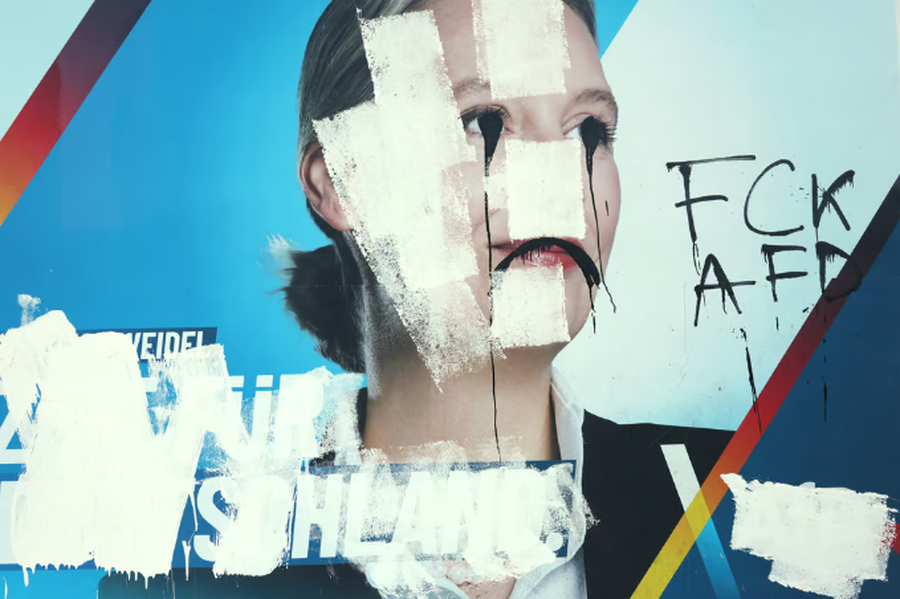
The vote is almost certain to bring about change in Berlin.
German elections: Can the far-right AfD take power?
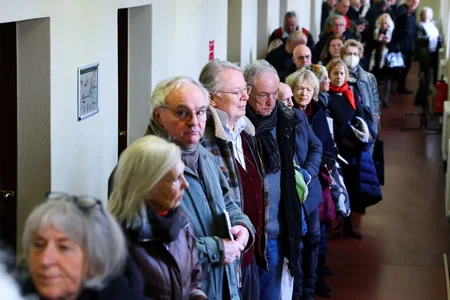
Germany will elect a new parliament this Sunday, at an uncertain time for the West.
The vote is almost certain to bring about a change in Berlin, with center-left Chancellor Olaf Scholz set to be ousted and replaced by conservative Friedrich Merz, whose CDU/CSU has around 30 percent in the polls, once coalition talks are concluded.
But a key question will be how much support the second-place Alternative for Germany (AfD) attracts, with its mix of far-right policies, including mass deportations of migrants. The party has won the support of Donald Trump's most influential adviser, Elon Musk, while US Vice President JD Vance has urged leading politicians to abandon their unity convention to keep the far right out of power.
The rise of the AfD over the past decade – to around 20 percent in the polls now – has caused deep soul-searching in the political establishment in a country still riddled with guilt over its Nazi past. Could German history repeat itself?
POLITICO spoke to three leading historians to hear their analysis of what the election means and what kind of threat the AfD poses to stability in the European Union's most trusted and economically important member.
Historians are divided on several aspects. As for the risk of Germany repeating the history of the 1930s, historians are divided, some think that the risk of radicalization of the country exists, while others see such a thing as impossible. According to them, the historical factors of the time and the fact that the party had its own army at that time, brought about those consequences, conditions that do not exist at all today according to them.
As for whether the AfD can emerge as the leading party in these elections, historians see it as unlikely, although they give it credit for the 20 percent it has shown in the polls. They also warn that in the 2029 elections, the AfD could grow even further and therefore govern beyond 2029.
Meanwhile, historians attribute the blame for the inexplicable rise of the AfD to the CDU and SPD, which, according to them, have been in power for years with two- or three-party coalitions and as a result the government has always been center-left, which made Germans no longer believe in the power of their vote. They further explain that the emergence of the AfD made Germans see it as the only opposition alternative.
As for the AfD leader, they consider Alice Weidel a complete and ladylike leader who, according to them, knows what to say and how to behave depending on the circumstances, turning things in her favor. For some, this ability is seen as dangerous, for others as a quality that a leader needs to lead.
POLITICO's interview with the three Historians:
-Is Germany returning to the 1930s?
Timothy Garton Ash, author and professor of European studies, University of Oxford: What we see in the opinion polls is already shocking. One in five voters according to current opinion polls favor a party that is truly right-wing, calling for "emigration" - deporting people with a migrant background who may already be citizens; calling not only for an end to the euro and the reinstatement of the Deutsche Mark, but for Germany to leave the EU. That is extraordinary. I don't think it should be underestimated at all.
Katja Hoyer, German-British historian and author of "Beyond the Wall: East Germany, 1949-1990" : When it comes to comparisons with the far right in the 1920s and '30s, people overestimate the danger to democracy. Germany is very aware of its history and looks to the immediate aftermath of the final catastrophe of the 1930s as a point of reference. But the difference is that the Nazis operated in a climate of mass political violence that emerged from the First World War and that simply does not exist today. There is no SA, no SS. Other political parties do not have their own military wings. Even the Social Democratic Party (SPD) had a military wing in the 1930s.
As for the AfD's capacity or even willingness to dismantle democracy, they are not directly setting out to do so in the way the Nazis did. The same goes for voters. There is no resentment of democracy itself behind the AfD vote, while that was certainly the case in the past.
-Can the AfD win power?
Timothy Garton Ash: I think there is a real danger for 2029 if you have a so-called grand coalition, Christians and Social Democrats again, meaning almost the main center and they don't bring about significant changes. There is a really big crisis of the German political economy, of the German political model and the dissatisfaction is very widespread.
Katja Hoyer: With Germany's coalition system as it is, they [AfD] will always have to work with someone to get a majority in parliament to pass anything. So even in the medium and long term, their extremism will always be tempered in some shape or form.
James Hawes, autori më i shitur i "Historisë më të shkurtër të Gjermanisë": Kjo frazë "partia e dytë më e madhe" vendos alarmin për një anglo-sakson që njeh një sistem dypalësh ose trepartiak. Sigurisht, nuk është asgjë e tillë në Gjermani. Në një farë kuptimi, nuk ka shumë rëndësi se për cilën nga tre ose katër partitë e mëdha votohet, sepse ato ndajnë një angazhim të përgjithshëm ndaj asaj që ne do të quanim, në këtë epokë të Trump, vlera thelbësore vërtet të rëndësishme. Dhe ata të gjithë mund të punojnë së bashku dhe të punojnë së bashku në çdo nivel për t'i mbrojtur ata ose për të punuar brenda tyre. Edhe pse ka oferta të ndryshme, vërtet politika gjermane ka një qendër të madhe të madhe.
Pse AfD është kaq popullore?
Katja Hoyer: Nëse shikoni epokën e Luftës së Ftohtë në Gjermaninë Perëndimore, në thelb kishte dy opsione në tryezë: Ju ose mund të votoni për programin konservator nën CDU, i cili ishte vërtet shumë konservator për shumë çështje, ose mund të votoni për reformën dhe modernizimin nën SPD. Secili prej tyre do të punonte vetëm me një parti të vogël si shtesë, zakonisht me liberalët.
Pra, keni pasur një zgjedhje të qartë në çdo zgjedhje: Dëshironi që gjërat të mbeten të njëjta apo dëshironi që ato të modernizohen? Ajo që po ndodh tani ishte edhe nën Angela Merkelin, ju kishit dy partitë kryesore që punonin së bashku, ajo zgjedhje nuk ishte më dhe njerëzit mendojnë se çfarëdo që bësh në fletën e votimit ishte e njëjta e qendër e së majtë në pushtet. Kjo është arsyeja pse AfD quhet "alternativa" për Gjermaninë - sepse ata po e paraqesin veten si opozita e vetme. Kur njerëzit nuk janë të kënaqur me status quo-në dhe nuk kanë ku të shkojnë, do të shihni që AfD të rritet.
James Hawes: AfD-ja e merr mbështetjen e saj dukshëm nga një pjesë e veçantë e vendit, Lindja. Në të vërtetë nuk po përhapet në mënyrë spektakolare në Perëndim. Nuk mendoj se ka më shumë rrezik për ta bërë këtë sesa që Nju Jorku të miratojë ligjet e armëve në Utah, sepse ekziston ky dallim kulturor midis Gjermanisë Lindore dhe Perëndimore.
Çdo demokraci që nuk mund të përballet me një lloj grupi të ndarë prej rreth 20 përqind nuk mund ta quajë veten demokraci. Ne duhet të jemi në gjendje ta përballojmë këtë. Në të vërtetë, Gjermania Perëndimore nuk duhet të shqetësohet shumë për AfD-në. Edhe nëse çdo qeveri e shtetit të Gjermanisë Lindore shkon në AfD, atëherë çfarë?
Timothy Garton Ash: Nuk kam absolutisht asnjë dyshim që AfD është në 20-21 përqind, pjesërisht sepse ata kanë këtë grua profesioniste të artikuluar [Alice Weidel] si kandidate kryesore, e cila mund të bisedojë me Elon Musk në X.
Fakti që ajo prezantohet mirë kështu dhe është sinqerisht e artikuluar dhe flet një gjermanisht mjaft të sofistikuar, të arsimuar universitar dhe komandon shifrat ekonomike, së bashku me mbështetjen e njeriut më të pasur në botë; plus fakti që partisë simotër, Partisë së Lirisë në Austri, tani i kërkohet të formojë një qeveri; plus fakti që partitë e djathta të forta po ecin mirë në të gjithë Evropën – e gjithë kjo i bën njerëzit të mendojnë se është në rregull të votojnë për to.
-Sa e rëndësishme është liderja e AfD, Alice Weidel?
Katja Hoyer: Kjo është ajo që e bën atë të rrezikshme unë mendoj: Ajo është në gjendje të projektojë anën më të moderuar të AfD-së përtej kufijve të Gjermanisë, sepse ajo flet mjaft mirë anglisht, kështu që është në gjendje të flasë me Elon Musk ose të bëjë gjërat e saj në skenën ndërkombëtare. Por ajo është gjithashtu në një pakicë brenda partisë së saj, pavarësisht se është lidere. Ajo u përpoq të hiqte termin "emigracion" nga manifesti i saj, sepse e konsideroi atë shumë ekstrem dhe e bën të pamundur që ata të kenë një koalicion me konservatorët, dhe ajo doli më e votuar në konferencën e partisë dhe ata e vendosën përsëri.
Dhe e njëjta gjë vlen edhe për gjëra të tjera si përkufizimi i familjes si nënë, baba dhe fëmijë, që ishte në manifest. Ajo e hoqi atë dhe ata e vendosën përsëri, pavarësisht se situata e saj nuk e përmbush atë përkufizim [ajo është në një marrëdhënie të të njëjtit seks]. Pra, është një gjë e çuditshme në faktin se ju keni një lider relativisht të moderuar që udhëheq një parti që është shumë më radikale se ajo. Ajo e di se çfarë duhet të thotë dhe të bëjë për të qëndruar në pushtet dhe kjo mendoj se është mjaft e rrezikshme. Nëse shikoni në histori, ka plot shembuj të tillë ku fleksibiliteti ideologjik i bën disa nga liderët më ekstremë në fund.
Timothy Garton Ash: Nëse themi se ajo është jotipike, jotipike ndoshta në historinë e saj personale, por jo në pikëpamjet e saj politike. Ajo tani në fjalimin e saj të fushatës ka mbështetur idenë e riemigrimit, që është një pozicion që deri më tani është identifikuar me të djathtën e ashpër shpesh islamofobike. Është një pozicion vërtet radikal.
-Çfarë ndodh më pas?
Katja Hoyer: Nuk mendoj se shumica e votuesve, madje edhe votuesit e AfD, janë aq radikalë sa është AfD. Ata me të vërtetë nuk duan që një program i pastër AfD të zbatohet sepse ai është shumë ekstrem për shumicën e njerëzve. Pra, nëse ka një rrugë përpara, partitë kryesore mund të bëjnë disa nga gjërat për imigracionin dhe gjithashtu ekonominë që njerëzit duan dhe ka një ndjenjë se gjërat po ecin vërtet përpara, unë gjithashtu mendoj se kjo do të largonte erën nga velat e AfD-së.
The problem is if we have a fairly unstable situation where nothing much gets done because the parties in the new coalition can't agree on anything. If that's the case, then voters will be more frustrated. And if the AfD doesn't split so much that it becomes dysfunctional, they really just have to sit around and wait for more people to come their way. So I can see a kind of Austrian scenario coming if nothing changes.
Timothy Garton Ash : Between now and [the next election expected in 2029], a whole bunch of external factors could change the situation. But thinking about Europe, thinking about what the main parties need to do to get our economies back on track, to give people a sense that irregular migration is under control, to make people feel confident about our defense if Donald Trump isn't going to do this to us, I think the centrist parties need to say to themselves, "Hey guys, we're playing on the last chance."
I can't think of a time in the last 50 years when the forces of integration and disintegration in Europe have been so balanced. It's really unclear which one will prevail in the next four or five years./ Adapted from "Pamphlet" by "Politico"





Lini një Përgjigje