


 Shkruar nga Emin Azemi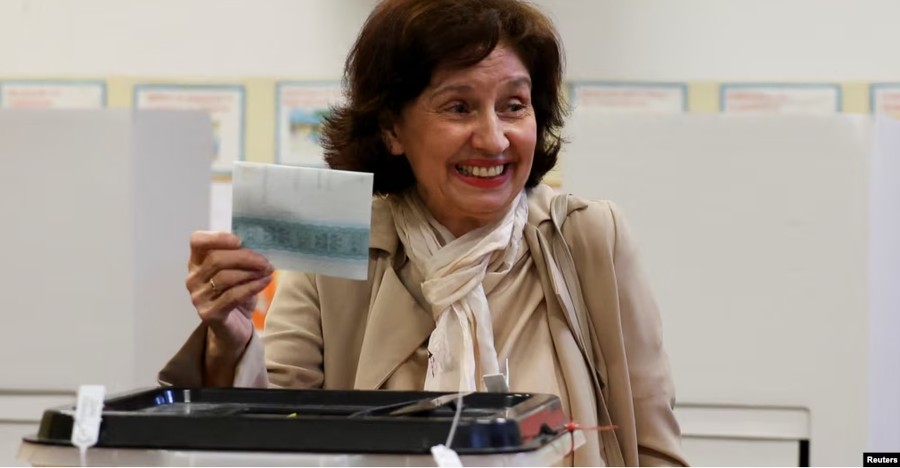
These double presidential and parliamentary elections brought more votes to the Albanians, but this cannot be translated into their factoring, because VMRO for the four years it will be in government is not so dependent on the votes of the Albanians for them maintain the stability and future of power...
Yesterday, on May 8, the double elections - presidential and parliamentary - in North Macedonia ended. In the second round of presidential elections, two candidates were voted for, Stevo Pendarovski from SDSM and Gordana Siljanovska Davkova from VMRO, who won convincingly, while 17 lists of deputies participated in the race for parliamentary elections. These were the seventh presidential and eleventh parliamentary elections since the independence of RMV
According to the latest data from the State Election Commission, the new parliamentary composition will have this structure: VMRO-DPMNE will have 58 mandates, the European Front 19 mandates, SDSM - 18 mandates, VLEN - 13 mandates, the Left - 6 mandates , ZNAM movement 6 mandates.
Albanian entities will have a total of 32 seats in the Parliament.
The first to congratulate the victory of VMRO and Gordana Siljanovska were the Prime Minister of Hungary, Viktor Orban, and the President of Serbia, Aleksandar Vucic.
Gordana Siljanovska Davkova, in her first speech to the crowd that had gathered in the square to celebrate the victory, noted among other things: "Is there a bigger difference than a woman becoming president for the first time, is there a greater inspiration?" "No," she said. She added that she will be the president of all citizens and that "her door is open to everyone".
There were also the first comments from the other Macedonian political camp - SDSM, which was the biggest loser in these elections. "Many citizens are afraid of this result because great power has ended up in the hands of a party known for misuse of power", said the chairman of the Social Democratic League and former prime minister Dimitar Kovacevski.
According to the Constitution, the new parliament must be constituted no later than 20 days after the elections, and after the officialization of the election results, at the latest on May 12 Gordana Siljanovska Davkova.
The common denominator of all the first analyzes that have been given after these elections in North Macedonia, is the deep difference between the two main Macedonian parties - VMRO and SDSM. The latter, for the first time in the history of Parliamentarianism in Macedonia, is ranked the third political force in the elections, even after an Albanian party, such as DUI.
Humbja kaq e thellë e LSDM-së, i atribuohet kursit shtetëror që ndoqi ajo ndaj politikave me fqinjët dhe pafuqia për të luftuar korrupsionion, i cili ishte i pranishëm edhe brenda kësaj partie. LSDM e kryesuar nga Zoran Zaev, erdhi në pushtet në vitin 2017, në kohën kur asaj si udhëheqëse e Qeverisë së atëhershme i ra barra të arrij disa marrëveshjesh të rëndësishme: siç ishte marrëveshja me Greqinë që pasoi me ndryshimin e emrit nga "Ish Republika Jugosllave e Maqedonisë" në “Maqedonia e Veriut”, pastaj arritjen e një marrëveshjeje të fqinësisë së mirë me Bullgarinë, që ishte edhe kusht për fillimin e negociatave për anëtarësim me BE-në.
Në retorikën parazgjedhore të VMRO-së dhe kandidates së saj Gordana Siljanovska, LSDM-së i përshkruhej edhe një mëkat tjetër, që kishte të bënte me shqiptarët. Sipas kësaj retorike LSDM gjoja është treguar tepër inferiore kundrejt BDI-së, si në aspektin e ndarjes së resorëve të rëndësishëm ministror, ashtu edhe në aspektin e krijimit të, siç thotë VMRO, monopoleve ekonomike dhe biznesore të BDI-së.
Ka mjaftuar kjo retorikë që të merr trajtat e një perceptimi kolektiv te një pjesë e elektoratit maqedonas, të cilët Maqedoninë e konsiderojnë si pronë të tyre e cila duhet të kthehet te pronari, pasi që, sipas tyre, shteti qenka marrë penga nga shqiptarët.
Bilanci zgjedhor e vërteton këtë perceptim, kurse faktet dëshmojnë se në Maqedoni dikursi antishqiptar gjithmonë ka shërbyer si motor për të mobilizuar votuesit maqedonas. Këta të fundit ishin mbështetësit më të mëdhenj të VMRO-së dhe kandidates së saj për president Gordana Siljanovska, e cila në fushatë përdori argumente populiste perms një slogani “Ta kthejmë shtetin“, që nënkuptonte rikthimin e politikave përjashtuese ndaj shqiptarëve dhe refuzuese ndaj ndryshimeve kushtetuese ku bullgarët janë paraparë të jenë pjesë e saj.
Në këto zgjedhje të dyfishta presidenciale dhe parlamentare, skena politike e Maqedonisë pësoi një ndryshim radikal. Në kampin politik maqedonas, fuqia politike e opozitës nuk do të jetë siç ishte deri më tani, për shkak të debaklit zgjedhor të LSDM-së, por në anën tjetër në sipërfaqe po del një bllok i tretë politik, i përbërë nga partia Levica dhe Lëvizja ZNAM, subjekte këto që u ngritën si kompenzim i rënies së LSDM-së, por edhe në saje të retorikës antishqiptare në fushatë.
Çka do të bëjnë shqiptarët pas këtij bilanci zgjedhor?
Nëse i referohemi numrave, matematika politike është në favor të shqiptarëve, por këto zgjedhje prodhuan një situatë ku partia fituese VMRO është komode të bëj qeveri pa qenë e detyruar të jetë e kushtëzuar nga subjektet shqiptare. VMRO-së i nevojiten vetëm edhe tre deputetë për ta formuar shumicën e re parlamentare, prandaj ajo do të mundohet të bëj koalicion me ata politikanë shqiptarë që nuk do të futen në qeveri me kushtëzime, ndonëse kjo shumë do të varet nga qëndrimet e ambasadorëve të huaj, sidomos atij amerikan.
As things currently stand, the next government may be stable in terms of numbers, but no one guarantees that the numbers are a source of political stability, especially if VMRO prefers to ignore DUI as the winner in the Albanian camp in favor of cooperation with the other Albanian coalition - VLEN, ranked after DUI in terms of the number of votes won in the elections.
So far there is no indication that the Albanian parties will make any agreement among themselves on how and under what conditions they will enter the government, but what remains to be seen is whether the inclusion of the Bulgarians in the announced constitutional changes will to happen during the mandate of the current parliament, or after the new parliament is formed, where two-thirds of the votes of the deputies are necessary, a situation that makes the situation a little more complicated. Without cooperation and inter-apartment coordination, constitutional changes cannot happen, and without these changes, North Macedonia's integration path in the EU will be much more unknown.
In conclusion, it can be said that these double presidential and parliamentary elections brought Albanians more mandates, but this cannot be translated into their factorization, because VMRO for the four years it will be in the government is not entirely dependent from the votes of the Albanians to preserve the stability and future of power./ Pamphlet


Lini një Përgjigje