


 Shkruar nga Diplomatico | Pamfleti.net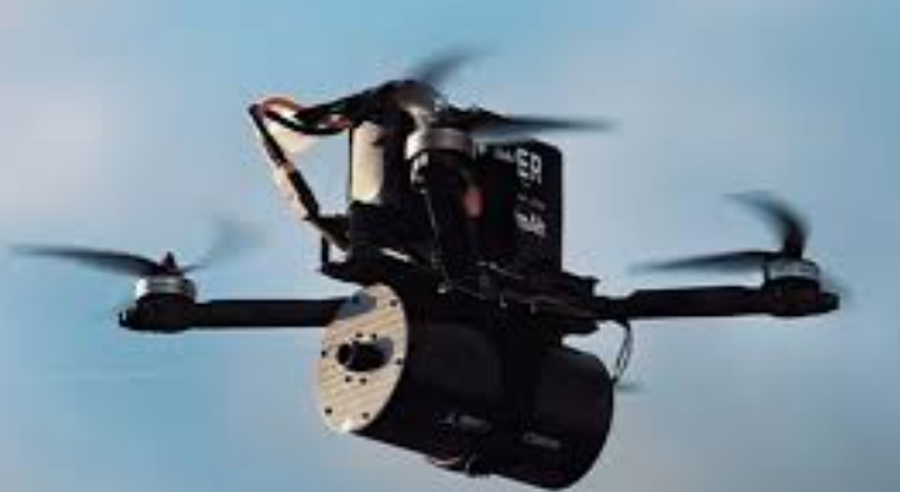
The news, which was quickly disseminated by Serbian media as a "provocation against Serbia", is being seen by international analysts as a more political than military concern, part of a deliberate narrative that aims to portray Kosovo as a "NATO armed base" in Serbia's backyard.
Official sources in Pristina and Ankara have not confirmed any such contract or delivery, while no international document proves that Kosovo has received offensive weapons from Turkey. What is known for sure is that Turkish-Kosovar cooperation in the security field has always been active, but mainly oriented towards training, logistical support and surveillance equipment, not combat weapons.
In this context, the Kommersant report appears to be part of a long-standing Russian-Serbian media strategy aimed at stoking fear and justifying Belgrade's harsh diplomatic responses. For Serbia, any military cooperation between Kosovo and any NATO country is seen as a threat, while Serbia itself has significantly increased cooperation with Russia and China, including the purchase of combat drones and missile systems from Beijing.
This strategic hypocrisy of Belgrade is clear to any analyst of the region: Serbia sees militarization only when it does not control it itself. And when it comes to Turkey, a power that has long been strengthening its influence in the Balkans, Serbian fears also take on historical and religious overtones. Ankara is today one of the largest investors in the region's infrastructure and energy, as well as a supplier of modern military technology to several NATO countries and its partners, including Albania, Poland and Ukraine.
If Ankara has expanded this cooperation with Kosovo, this is not a geopolitical surprise; on the contrary, it is a logical development of Pristina's Euro-Atlantic orientation and its relations with a NATO ally. But for Belgrade and Moscow, any such step immediately translates into alarmist rhetoric: "risk to stability", "militarization of Kosovo", "threat to peace".
In fact, the opposite is happening. Pristina seeks to strengthen surveillance of its territory, especially in the north, where criminal groups and illegal Serbian structures have been responsible for repeated violence against police and KFOR forces. Drone-type aerial devices are now standard in any modern security force, and their use for monitoring purposes does not violate any international norms.
In this context, the Kommersant report is nothing more than a reflection of the Serbian-Russian geopolitical fear of the gradual loss of influence in the Western Balkans. Ankara, through its technology and pragmatic diplomacy, is gaining ground where Russia is losing it, in the hearts of countries seeking security guarantees and Western integration.
In the end, the story of “Turkish drones in Kosovo” is not a military event, but an indicator of the new information war being waged in the region. Serbia knows that losing ground in Kosovo is no longer measured in soldiers, but in international influence and credibility, and on this front, it is far behind.
Meanwhile, Turkey is emerging as a silent but powerful actor, which sees Kosovo not as a base for conflict, but as a strategic point of Western stability in the Balkans./ Pamphlet






Lini një Përgjigje