


 Shkruar nga Diplomatico | Pamfleti.net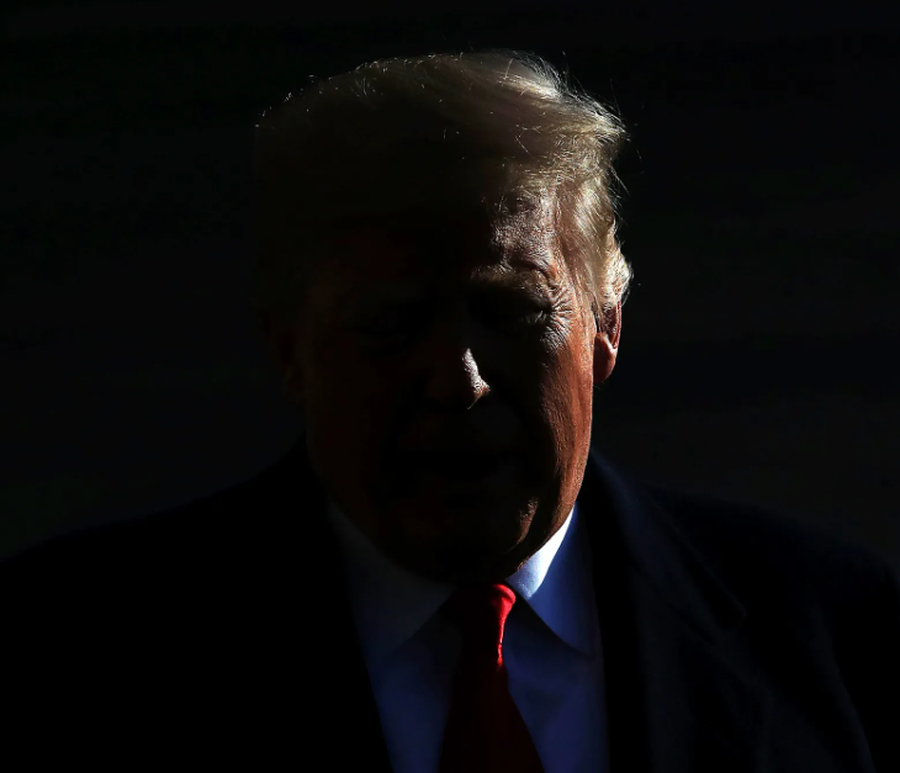
Who wins peace in Gaza and who is at risk from this agreement?
Donald Trump has publicly announced the first phase of a ceasefire agreement between Israel and Hamas, presenting himself as the architect of a "historic peace" in Gaza.
His 20-point plan, which includes the release of prisoners, the withdrawal of Israeli troops and the establishment of an international administration for Gaza, has appeared with political fanfare and promises of stability. But behind this facade lies a complex, ambiguous and fraught reality that could turn this "peace" into a temporary stopgap before the next eruption.
First, the agreement is fraught with profound uncertainties that cast serious doubts on its practical implementation. So far, it is not known where the line of withdrawal of Israeli troops will be established, who will exercise authority in post-war Gaza, or how the security of the civilian population will be guaranteed. Hamas has refused to disarm, while Israel considers this a fundamental condition for stopping military operations. This fundamental antagonism remains unresolved, putting the entire agreement on a fragile footing.
On the other hand, Trump seeks to portray himself as the “solver of impossibilities.” He positions this agreement as a test of his global capacity, in an attempt to revive his international profile. However, such personal interventions, unsupported by an inclusive international process, are dangerously dependent on unilateral will and may produce more propaganda than lasting peace.
Humanitarian-wise, the agreement offers a glimmer of hope for ending the massive suffering in Gaza, where hundreds of thousands of civilians have been left homeless, without water and without power. But this hope cannot be kept alive without a robust mechanism for implementation, monitoring and penalizing parties that fail to comply with the agreement. In the past, the lack of such an architecture has led to a rapid return to conflict.
The proposed new agreement contains no detailed implementation elements, includes no international legal guarantees, and does not specify the role of institutions such as the UN in post-conflict administration. Instead, Trump proposes a “Board of Peace” that would be led by him, raising serious questions about the legitimacy and fair representation of the parties in this structure.
At the regional and global level, this agreement directly affects the alliances of small countries like Albania, which traditionally follows the American line in international forums. If the agreement fails, Albania and other countries in the region may face new diplomatic pressures to review their positions, especially in the face of the Arab world, which demands more balance in dealing with the Palestinian issue.
In the end, the dilemma remains: Is this a peace deal, or a Donald Trump platform? History has taught us that deals built on personal protagonism and a lack of transparency have rarely brought lasting solutions to the Middle East. Without a real implementation architecture and sincere international involvement, this "peace" may simply be a break for the cameras and a silent warning of the inevitable next clash./ Pamphlet






Lini një Përgjigje