


 Shkruar nga Andrey Smolyakov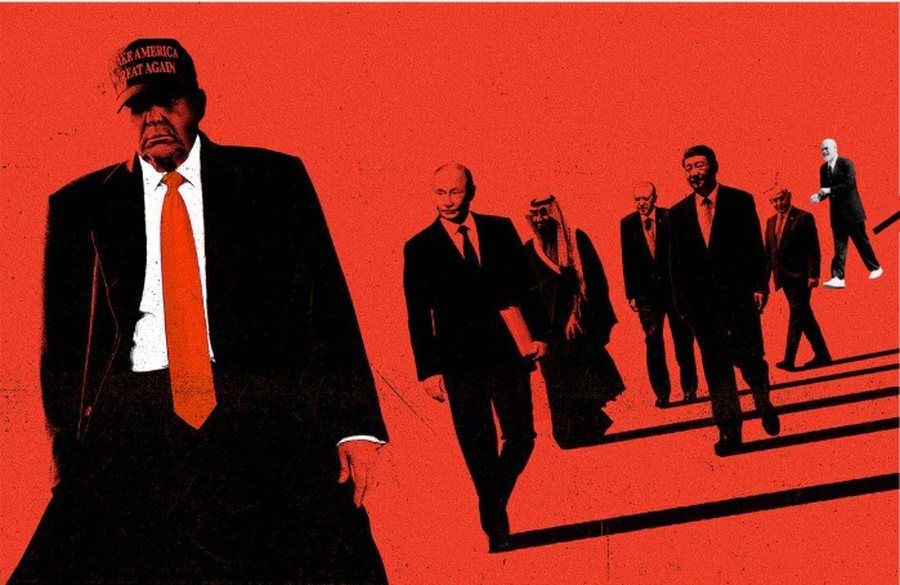
Studies conclude that for voters, candidates' promises and policies are rarely important. The only relatively objective factor that influences is the economy, but even this logic has not worked in recent years...
In 2024, Michael Graugnard, a legal advisor to the U.S. Department of Agriculture, voted for Donald Trump. He was convinced of the latter's ability to solve economic problems. Three months later, Graugnard and thousands of his colleagues in the federal government were fired.
As expected, Graugnard is unhappy about this. The position he lost was his dream job, for which he had recently been forced to move house with his pregnant wife and child. While he supports the reform for more effective government, he says he “didn’t vote for it to be implemented as it is.”
However, Graugnard has no regrets about his vote: “I still support all the goals of the Trump administration!” Bradley Bartell of Wisconsin also has no regrets about voting for Trump, even though his wife, a Peruvian citizen in the process of obtaining permanent residency in the US, was arrested at the border under the new administration’s policy when the Bartells were returning from their honeymoon.
But Bartell refuses to blame Trump for anything: “He has the chance to improve the system, even if he didn’t design it himself.” Sadly, Grognard and Bartell are not alone.
Even amid mass layoffs, growing corporate influence in the White House, broken promises, a faltering economy, and the consolidation of power in the executive branch, 95 percent of Trump voters remain loyal to their president.
In a democracy, a politician who implements failed policies or deliberately degrades democratic institutions is bound to suffer a loss of public support. However, in recent years, voters have remained increasingly loyal to their leaders, despite their scandalous and authoritarian behavior.
Why is this happening? One explanation is offered by “Follow the Leader?”, a book by University of California professor Gabriel Lenz. According to him, voters tend to ignore candidates’ political platforms, and even if they know exactly what the candidates are offering, they rarely care.
For example, during the 1980 US presidential election, voters who supported an aggressive foreign policy were no more likely to vote for Reagan, even though he reflected their views. In 1948, union supporters were no more likely than opponents to switch their support for Truman, the pro-labor candidate.
After analyzing many examples, Lenz concludes that for voters, the promises and policies of candidates are very rarely important. In general, they tend to ignore the political programs of candidates. The only relatively objective factor that influences the behavior of the average voter is the economy, but even this logic does not work in recent years.
The US economy grew rapidly under Biden, and then faltered after Trump's return. But that had little impact on the election. Not even the outspoken opinions of public figures, from actors and musicians to Nobel laureates and professors, could sway Trump supporters away from their favorite champion.
Lenz says that in recent years, American voters have become increasingly committed to the “party line,” and increasingly hostile to their political opponents. Voters in the US have demonstrated their willingness to forgive a candidate for organizing a violent attack on parliament, for some criminal convictions, or for creating a fraudulent cryptocurrency, as long as the rule-breaker is “one of us,” and as long as he ensures the defeat of “the other side.”
Increased loyalty to leaders and growing polarization are turning politics into a kind of sport, with the goal of winning at all costs. While antipathy towards political opponents is growing across the political spectrum, right-wing supporters are more susceptible.
Polls show that conservative and right-wing voters are more politically aggressive and demanding than others in society. Moreover, analysts believe that it was the dislike and hostility towards political rivals that brought Donald Trump's supporters together.
The difference is clearly visible in social media and popular culture. Harsh rhetoric became more prevalent after Trump's victory in 2016. Renowned right-wing cartoonist John McNaughton admits that one of the goals of his work is to "taunt the left."
Even Trump's rallies often revolve around mocking opponents. For example, in 2018, Trump mocked the crowd's approval of Christine Ford, the woman who accused his Supreme Court nominee Brett Kavanaugh of rape. Many also remember how close Trump aide Corey Lewandowski mocked the story of a girl with Down syndrome separated from her parents at the border.
Today, this strategy has become the de facto media policy of the White House. Trump’s official account on the X platform is filled with mockery and memes. Loyalty to “friends” is another side of the coin. In part, this may be why Donald Trump refused to fire members of the administration involved in the scandal that erupted after National Security Advisor Michael Waltz invited the editor-in-chief of The Atlantic to a secret conversation with other members of the administration.
Pra krahas shfaqjes së armiqësisë më të madhe ndaj “kundërshtarëve”, votuesit e krahut të djathtë tregojnë një gatishmëri më të madhe për t’i falur shkeljet “miqve” të tyre. Një studim i Fondacionit Friedrich Ebert tregon se mbështetësit e AfD-së në Gjermani, Demokratëve të Suedisë në Suedi dhe Fidesz në Hungari janë të gatshëm të mbyllin njërin sy ndaj prirjeve autoritare të liderëve të tyre, për sa kohë që nuk vijnë në pushtet “armiqtë”.
Një studim mbi psikologjinë politike, i fokusuar në SHBA, arriti në një përfundim të ngjashëm. Mbështetësit e Partisë Demokratike reagojnë më negativisht ndaj sjelljeve të pahijshme ose veprimeve imorale të politikanëve demokratë sesa mbështetësit republikanë kur akuzohen figura të krahut të tyre, dhe veçanërisht kur bëhet fjalë për akte neglizhence.
Në 36 për qind të rasteve, përkatësia në një krah politik, ishte një arsye e mjaftueshme për të injoruar çdo sjellje të keqe. Një besnikëri e tillë është e natyrshme për një grup të caktuar votuesish. Politologët Sofia Vasilopoulou dhe Daphne Halikiopoulou, përshkruajnë dy lloje votuesish të së djathtës ekstreme: mbështetësit ideologjikë “kryesore” dhe ata “periferikë”, të përbërë nga ata që votojnë për shkak të zhgënjimit me sistemin.
Më shpesh, këta të fundit kërkojnë një mënyrë për të ndëshkuar qeverinë dhe zgjedhur populistët si një formë proteste, ndërsa të parët vërtet udhëhiqen nga parimet, dhe më e rëndësishmja, nga ato që dallojnë “miqtë” nga “armiqtë”.
Votuesit kryesorë janë të bindur se grupi i tyre - qoftë ai i bazuar në etni, ideologji apo ndonjë gjë tjetër - “meriton” më shumë se të tjerët demokracinë dhe të mirat publike. Ata i shohin kundërshtarët e tyre politikë si konkurrentë për burimet e kufizuara. Në rrethana të tilla, qëndrimi i ekstremit të djathtë kundër migracionit, rrjedh logjikisht nga perceptimi i të ardhurve si një kërcënim.
Për shumë mbështetës të krahut të djathtë, identiteti etnik është parametri kryesor që dikton zgjedhjet e tyre. Një studim nga Universiteti Radboud në Holandë, shpjegon se ky nuk është një rast i identitetit pozitiv, por e kundërta. Thënë thjesht, e djathta ekstreme nuk votohet për shkak të krenarisë për kombin, arritjet e tij apo veten e tyre, por për një ndjenjë kërcënimi, qoftë nga emigrantët, disidentët apo dikush tjetër.
Në SHBA, 82 për qind e votuesve thonë se demokracia është një gjë e mirë, por ata janë të gatshëm të rishikojnë idealet e tyre demokratike nëse është e nevojshme. Më shumë se 50 për qind e republikanëve gjatë mandatit të parë të Trump mbështetën ligjet e tij të njëanshme.
Today, 76 percent of them support Trump in his opposition to court decisions. If a leader acts in his own interests, they do not criticize him for his undemocratic behavior, on the contrary, they justify it. Most Trump voters do not feel embarrassed by his undemocratic behavior, as long as he acts in their best interests. Paradoxically, they call themselves pro-democracy, even though they support authoritarian policies. Why? Because they believe that if democracy protects "enemies", it inevitably harms them. Therefore, according to them, it is normal to sometimes ignore its principles. Consequently, while 92 percent of Republicans were convinced in 2022 of the need for congressional oversight of the Joe Biden administration, in 2019 only 65 percent thought the same about President Trump.
Also, while before the 2020 election, 81 percent of Republicans thought the loser should accept defeat, 62 percent of them refused to recognize Joe Biden as the legitimate president after the results were out. According to psychological studies, right-wing and populist leaders successfully redefine moral ideals.
For example, they prioritize loyalty, authority, and solidarity within the group. Trump explicitly confirms this: “I value loyalty above all else, even above intelligence, strength, and energy…”.
The Cato Institute writes that Trump supporters were three times more likely than Hillary Clinton voters to value three things: order, loyalty, and tradition. Such moral standards allow voters to reconcile internal contradictions. The same actions that might otherwise be labeled undemocratic are reimagined as necessary for the protection of order, group survival, and “sacred ideals.”
Xenophobia and radicalization do not come out of nowhere. Supporters of populist and nationalist leaders believe that external enemies - such as globalization or "multiculturalism" - pose a serious threat not only to cultural heritage but also to economic well-being.
Populist politicians often use economic fears to turn people against “foreigners.” Immigrants and minorities are portrayed as competitors for jobs and social benefits. “Foreigners” serve not only as a convenient “external threat” for populist politicians, but also as competitors in the fight for daily bread./ Adapted from “Pamphlet” By “The Insider”





Lini një Përgjigje