


 Shkruar nga Lawrence Freedman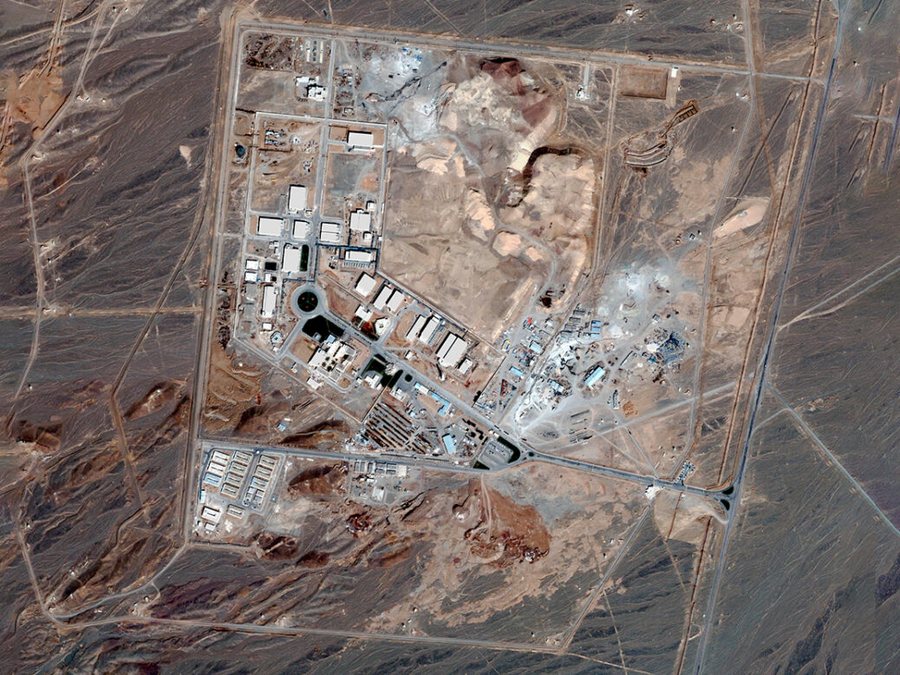
Will negotiations or military action be able to prevent Iran from acquiring nuclear weapons?
US and Iranian teams are meeting in Oman today to find a way out of the impasse over Tehran's nuclear program. An agreement was reached in 2015 after long and arduous negotiations led by the Obama administration and supported by the Europeans, Russians and Chinese.
It was called the Joint Comprehensive Plan of Action (JCPOA). Iran agreed to reduce its uranium enrichment program in exchange for sanctions relief. But Trump abandoned the deal in 2018 after claiming that Obama's deal was not very good, and that he would reach a better deal through "maximum pressure."
As predicted, Iran's response to the pressure campaign was not to get closer to the Americans, but to continue enriching uranium to the point where they are now very close to building some nuclear weapons, if they decide to do so. So there is not much time to reach a deal.
In February, the International Atomic Energy Agency (IAEA) reported that Iran had accumulated almost 275 kg of uranium enriched to the 60 percent level, which would not require much additional enrichment to reach the 90 percent level, from which weapons production could begin.
That amount would be enough for the first 6 bombs. The JCPOA intended that Iran would always be at least a year away from being able to use its highly enriched uranium (HEU) to produce weapons. Estimates of how long that would take vary, but are generally less than a year.
Talks to revive the JCPOA continued during the Biden administration, but the conditions were not conducive as Israel fought the Iran-led “axis of resistance.” As a result, there has been little progress.
At the start of his second term, Trump offered to talk to Tehran, increasing economic sanctions on it and threatening military action. On March 30, Trump said that if Iran did not agree to a deal, “there will be bombings like the Iranians have never seen before.”
Iran's Supreme Leader, Ayatollah Khamenei, reacted quickly, saying there could be no direct talks with the Americans. He vowed that Iran would not surrender in the face of American threats. Based on past experience, he could not believe that Trump could honor a deal.
Por Irani nuk është në një gjendje të mirë për t’i rezistuar. Ekonomia e saj është në krizë, pjesërisht për shkak të sanksioneve, por edhe për shkak të viteve të keq-menaxhimit kronik dhe korrupsionit. Regjimi teokratik është shumë jopopullor, dhe po qëndron në pushtet kryesisht përmes masave shtypëse.
“Boshti i rezistencës”, i bazuar në një koalicion milicish të sponsorizuara me një urrejtje të përbashkët ndaj Izraelit - përfshirë Hamasin në Gaza dhe Hezbollahun në Liban - është shkatërruar nga aksionet e ushtrisë izraelite.
Rebelët Huthi në Jemen janë ende aktivë, dhe pse së fundmi janë bombarduar rregullisht nga amerikanët. Regjimi i Assadit në Siri i mbështetur nga Irani, u shemb në dhjetor të vitit të kaluar. Disa javë më herët, sulmet izraelite e kishin dobësuar mbrojtjen ajrore iraniane, dhe thuhet se kishin goditur edhe një objekt bërthamor, duke u kujtuar iranianëve dobësinë e tyre.
Javët e fundit, në rajon ka pasur një grumbullim të forcave amerikane, duke përfshirë dhjetëra avionë bombardues B-2 të transferuar në bazën “Diego Garcia” në Oqeanin Indian. Dy aeroplanmbajtëse - USS Harry Truman dhe USS Carl Vinson -qarkullojnë aty pranë.
Bateritë e mbrojtjes ajrore janë zhvendosur në shtetet aleate të Gjirit. Një pjesë e këtyre lëvizjeve mund të lidhet me luftën e vazhdueshme ndaj Huthi-ve, por mund të jenë dhe pjesë e një luftë të afërt me Iranin. E gjitha kjo mund ta ketë bindur Khamenein se për momentin moderimi është qasja më e mirë.
Ka ende paqartësi rreth natyrës së propozuar të bisedimeve. Trump tha se do të kishte një “samit shumë të gjerë”, dhe se bisedimet do të jenë “të drejtpërdrejta”. Iranianët kanë thënë se ato do jenë “të tërthorta” edhe pse “të nivelit të lartë”.
Dy protagonistët janë Steve Witkoff, i dërguari special i Trump dhe Ministri i jashtëm i Iranit Abbas Araghchi. Ky i fundit, ka deklaruar se dakordësia e parë duhet të jetë se s’mund të ketë një “opsion ushtarak” apo një “zgjidhje ushtarake”.
Por Trump nuk do ta pranojë këtë. Pozicioni i tij është se “Irani nuk mund të ketë një armë bërthamore, dhe nëse bisedimet nuk janë të suksesshme, ajo do të jetë një ditë shumë e keqe për Iranin”. Pra, qëndrimi i Trump është se ajo që nuk mund të arrihet me diplomaci, mund të arrihet ende me veprim ushtarak.
Po cilat do të ishin objektivat në rastin e një sulmi, qoftë nga vetëm SHBA-ja apo në bashkëpunim me Izraelin? Për shkak të kërcënimit të vazhdueshëm, Irani i ka kushtuar shumë vëmendje cenueshmërisë së objekteve kryesore.
Shumë prej tyre janë të shpërndara dhe disa gjenden brenda maleve ose të fshehura nën tokë. Objektivat janë të shumtë. Një nga listat, përmban 42 baza të lidhura drejtpërdrejt me ciklin e karburantit bërthamor, nga nxjerrja e mineralit të uraniumit tek kërkimet dhe reaktorët bërthamorë. Ato njihen nga IAEA.
Then there are 8 other undeclared bases, more related to weapons production, including stored nuclear materials and explosives research. There may be others that remain secret.
Destroying the most protected sites would not be simple, as Darya Dolzikova and Justin Bronk explain in a recent study for the Royal United Services Institute (RUSI).
Because most Iranian facilities are likely to be covered by layers of high-density reinforced concrete, rock, and other materials, which could be 80-100 meters thick. Assuming that American weapons could penetrate these layers and cause an explosion, the effects would depend on whether the facility has narrow entrances and thick doors, elements that would limit the consequences.
It may take several weapons to detonate in the same location until it is destroyed. But before the objectives can be achieved, the attacking force must be able to deal with air defenses.
The latter did not seem to worry Israel much in the October 2024 attacks, and are even less likely to worry the US Air Force. But there will be many defenses around the most key bases, and not all of them may be known to US intelligence, especially since some systems will be mobile.
And there are reports that Iran has recently strengthened its air defenses, building new radars and conducting air defense exercises around nuclear facilities. So a serious campaign against Iran's nuclear program would have to be broad and sustained.
A significant attack would likely hamper Iran's ability to build a bomb for a while, but probably not forever. Much will depend on the extent of any damage caused. The Iranians would try to restart the program as quickly as possible.
What would Iran's response be? Sources have suggested that the US base at Diego Garcia could be hit with a combination of cruise and ballistic missiles. This base could be one of the launch points for any US attack.
The Europeans have not stopped talking to Iran, but they are also heading towards a clash. Britain, France and Germany have warned Tehran that in the absence of a new nuclear deal by the summer, they will renew sanctions against more than 300 Iranian entities.
According to the 2015 JCPOA Security Council resolution, their return is automatic if requested by any of these three states before October 18, when the original agreement expires. There can be no Chinese or Russian veto.
US-Iran talks can build on those talks. But if progress is to be made, a decision must be made on the targets to be hit./ Pamphlet from “Newstatsman”





Lini një Përgjigje