


 Shkruar nga Pamfleti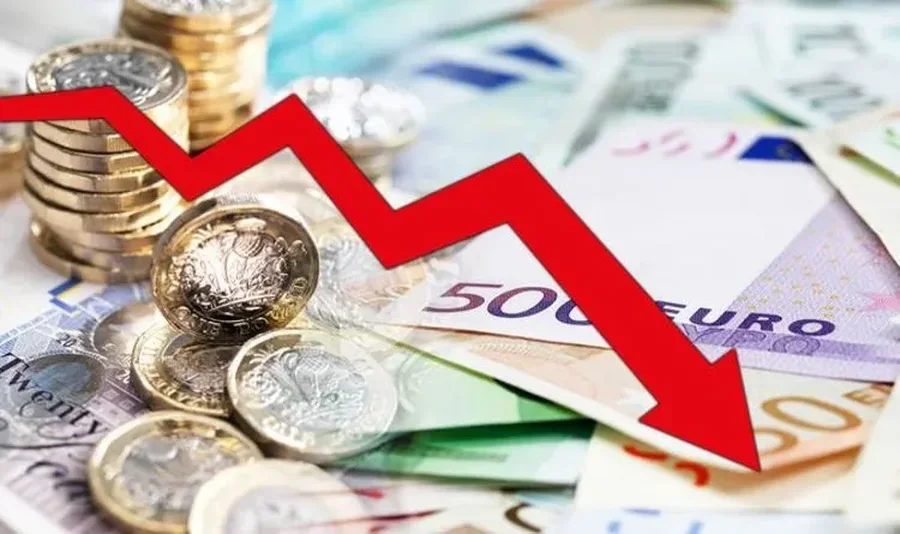
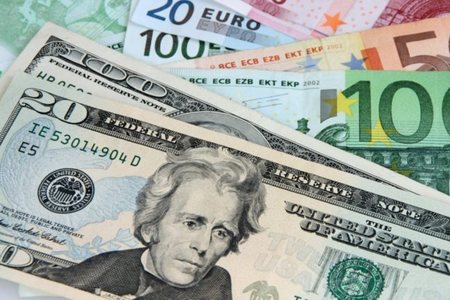
The lek continues to remain strong against the euro. The European currency started this week with weakness, marking a new level against the national currency Lek.
According to the official exchange rate of the Bank of Albania, one euro is currently being exchanged for 99.28 ALL, a new record that has not been recorded this year.
The European currency has weakened even though the summer tourist season is over. This is an indication that tourism in the country is becoming year-round. Likewise, the increase in foreign investments, remittances and the purchase of real estate has also contributed to the strengthening of the lek.
If we compare the level of the European currency with the same period a year ago, it turns out that the drop is about 7%. Apparently, the domestic foreign exchange market has entered a new normality, as the seasonal fluctuations in the exchange of the euro with the lek are gradually fading.
The Executive Director of the Exchange Offices Association, Dritan Vakaj, invited to "Money Report" on ABC News, commented on this new reality in the foreign exchange market.
He emphasized that the amount of euros in the market remains large and this has led to a high circulation of the European currency.
"We are at these levels and what is noticeable is that we had an increase in tourism, not perhaps in very high expectations, undoubtedly many times more than last year. Although we had an increase in tourism, consumption has not been high. The offer of the euro in the market remains high and we have an inhibition of the lek in the market, the government is not spending and collecting a lot of taxes", said the expert.
The expert appreciated the role played by the Bank of Albania, which, according to him, managed to create a stability of the euro during the summer tourist season.
"The Bank of Albania played a stabilizing role during the season. The Euro continues to remain at low levels and all expectations are that it will continue to be. Taking into consideration the high stock of euros", he said.
According to him, with these indicators, we should not expect an increase in the value of the euro even in October, and this is related to its large stock in the market.
"Seeing that if the stock of euros increases, its use increases, the seasonal effects become somewhat softer, because they are amortized by the high stock we have. From the middle of October, it is not expected that the euro will strengthen significantly, because there is no indicator that can show us this", said the expert.




Lini një Përgjigje