


 Shkruar nga Pamfleti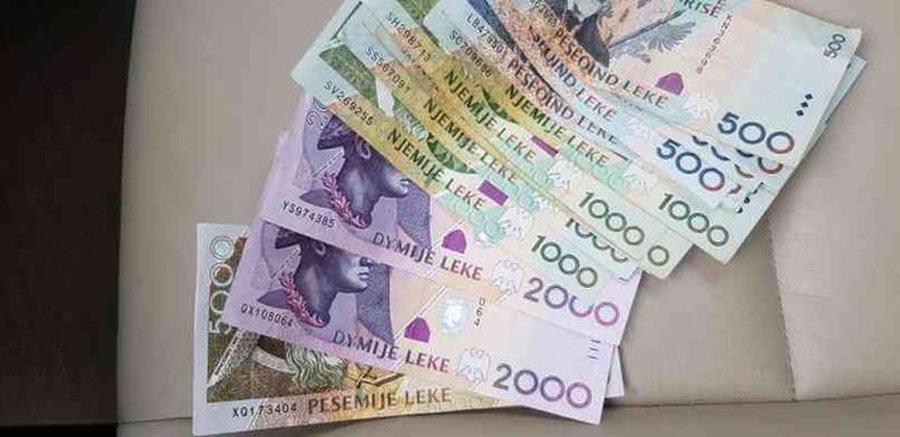
The lek is gaining stronger and stronger positions in the exchange rate against the main currencies.
In addition to strengthening more than ever before against the Euro, the local currency is also strengthening significantly against the US Dollar.
According to the official exchange rate of the Bank of Albania, the American dollar was exchanged today at 99.99 lek, falling below the limit of 100 lek for the first time in almost 12 years. The last time the US currency fell below this limit was September 2011.
The British Pound is also in significant decline, which today was exchanged at 124.32 Lek, the lowest historical level in the exchange rate with the Lek (at least since 2004, when the series of historical data of the Bank of Albania begins).
Experts explain that the rate of the US dollar and other currencies in relation to the lek is closely related to the rate of the Euro, which remains a reference point for foreign exchange agents in Albania, because it is the easiest foreign currency to trade in the market of internal.
The fact that the Euro is worth less than ever against the Lek can also explain the strong devaluation of the Dollar and the Pound against our currency, partly intertwined with the developments in the world currency markets, where the Euro in recent months has an appreciating tendency, especially against the Dollar American.
The decline of the Euro, the Dollar and the Pound is making the Lek increasingly stronger against the currencies of its main trading partners. These developments tend to make imports of goods from abroad cheaper and to soften external inflationary pressures in the economy. The Euro is the dominant currency in commercial exchanges, but the American Dollar also plays an important role, especially in the markets of raw materials and fuels.
But, just as it is happening with the Euro, the strengthening of the Lek is negatively affecting the segment of exports in American Dollars, especially in sectors such as oil or medicinal plants. In this way, the strong Lek is becoming a threat to the competitiveness of Albanian exports of goods, but also of services, including tourism ones.
In the case of the pound exchange rate, the effects could be particularly significant on remittances. It is estimated that remittances from Albanians living in Great Britain have been increasing over the last few years and the devaluation of the Pound against the Lek harms the families receiving these remittances.
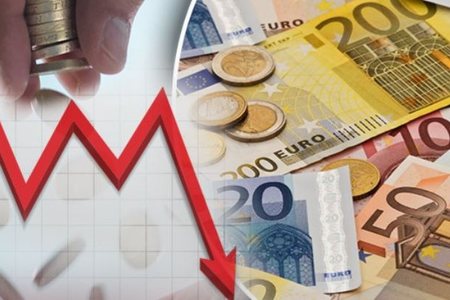
Meanwhile, the Euro continued to fall in the exchange rate with the Lek today. The European currency was exchanged at an average of 106.95 lek, falling for the first time below the limit of 107 lek and marking, for the eighth consecutive day, a new historical minimum.
The annual decline of the Euro-Lek exchange rate has also reached a record rate of 10.8%. Exchange agents explain the fall of the Euro with the very high supply of the European currency, while at the same time the supply of the Lek shows a tightening tendency, as a result of the course of monetary and fiscal policy.
Yesterday's issuance of a Eurobond of 600 million euros by the Albanian government could potentially further increase the supply of currency in the Albanian economy going forward this year, further emphasizing the appreciation trend of the Lek./Monitor






Lini një Përgjigje