


 Shkruar nga Pamfleti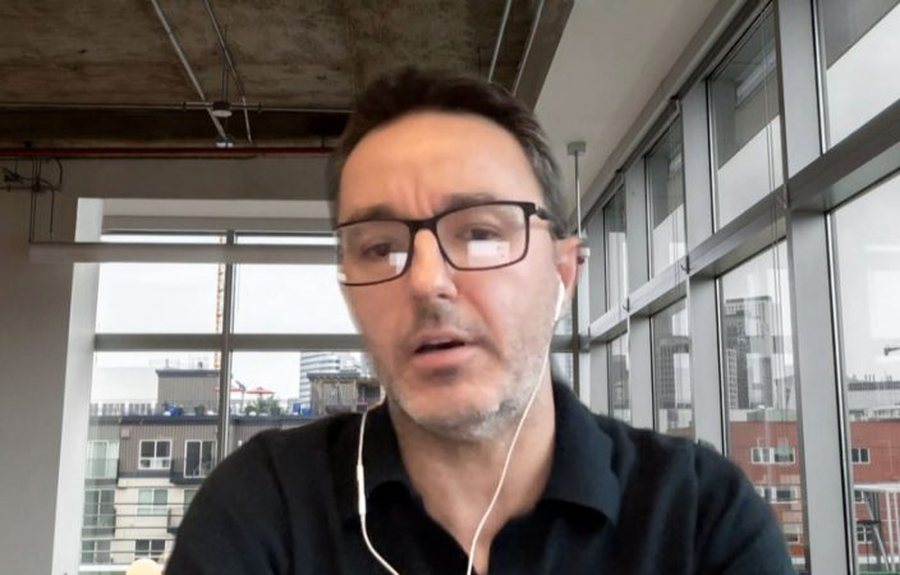
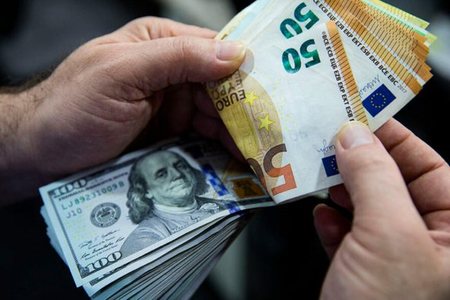
The Professor of Finance in England, Evarist Stoja, has spoken about the strengthening of the Lek and the weakening of the Euro.
In an interview for "News24", he emphasized that the high number of visitors and remittances played an important role.
"Quantitative easing after the financial crisis is also another factor", he said.
Also, the advisor to the governor of the Bank of England, Stoja, while he focused on the strengthening of the lek, added that this is positive, but emphasizes that the golden mean would be a stable exchange rate that does not fluctuate.
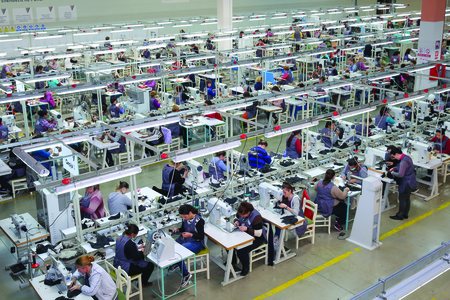
"Having a free exchange rate that moves depending on supply and demand. It is an oversupply of foreign currencies that leads to this disequilibrium. The development of an economy like Albania cannot be based on internal consumption. The stage of development is in exports, as far as the fashion business is concerned, there is a need for the development of these businesses since in the long term they have no income as businesses. But this development of fashion businesses takes time, it cannot be done overnight. All exporters should be helped because they are endangered and some of them may no longer exist. The lek is over-strengthened and this is evident, the strengthening of the lek is a good thing, but the golden mean would be a stable exchange rate that does not fluctuate so much. This also takes time and it is good to do what is possible to overcome this difficulty.he said, adding: "Given that the other extreme is the devaluation of the lek, in my opinion it is not long-term. Albania would benefit from a stable exchange rate, which at the moment does not seem to have been reflected in the market".



Lini një Përgjigje