


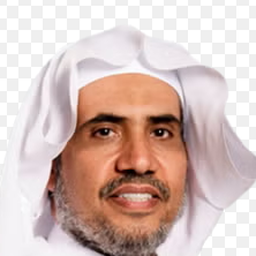
 Shkruar nga Mohammad bin Abdulkerim Al-Issa
Ten years after the crisis that brought millions of refugees to Europe's shores, wealthy countries are still reacting with fear and selfishness to migrants. Instead of empathy, we have seen the rise of extremism and division. As another climate crisis looms, it is time for European politics to find the courage to accept moral responsibility and build humane policies in the face of migration.
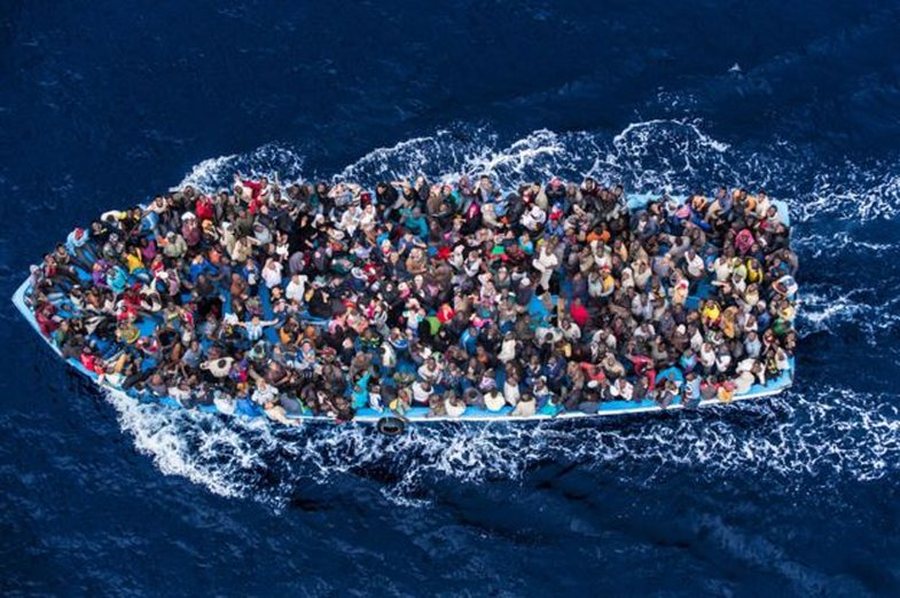
Ten years ago, people began to drown in the Mediterranean. Not in sporadic cases, but in large numbers, by the thousands. April 2015 was the beginning of what we would later call the “migrant crisis,” when desperate people from across the Global South left behind war and poverty and made their way to Europe for a safer life. In the early days of the crisis, it seemed as if the world was in solidarity with them. European leaders held summits and pledged millions of euros for rescue missions.
In Germany, then-Chancellor Angela Merkel declared: “Refugees are welcome!” Of course, we now know that optimism was misplaced. Because we know how the story ended. Refugees were not welcome. In 2016, the first full year of the migrant crisis, 389,877 migrants arrived in Europe. In 2023, there were 292,985.
Ten years since the crisis began, people are still fleeing war, violence and poverty, dying along the way. In 2016, 5,305 migrants were registered as dead or missing.
In 2023, that number was 4,124. When I addressed the United Nations General Assembly in New York last month in my role as Secretary-General of the Muslim World League, I was talking about the Muslim world, from which so many of these refugees come. And I emphasized an argument that I have long held and shared: that migration is not a crisis; that it is the crisis that forces people to migrate. However, recognizing and accepting this fact is only the first step.
If we truly understand that the crisis is about human suffering and despair, we must also acknowledge that the migrant crisis cannot be viewed solely in terms of data, macroeconomics, and policy. Compassion and a sense of moral responsibility must also be at the center of our collective response.
Ultimately, the events of 2015 revealed that Europe was not equipped with the compassion needed to cope with major shocks such as the influx of millions of people from countries torn apart by war and poverty. The moral foundations of Europe, and of the world, were shaken at a time when compassion was more urgent than ever. The result?
Between 2015 and 2020, Europe experienced the largest rise of far-right parties and ideologies since World War II. Today, that moral leadership gap is bigger and emptier than it was in 2015. As a global society, we have failed to prioritize empathy as a fundamental principle guiding policy and public discourse. And yet, empathy is precisely what we need to inspire meaningful policies and concrete action. This moral imperative is why I have consistently advocated for safer migration pathways.
This does not mean simply spending money on militarizing the Mediterranean or the English Channel, nor offering large subsidies to other countries to stop migrants from leaving. These measures only increase the risks and costs for traffickers who prey on desperate people. As long as people are desperate, they will leave, and as long as they leave, they may die on the way. Part of the task of leaders is to address the causes of political and economic instability in their countries.
For this reason, the Muslim World League prioritizes supporting stability throughout the Islamic world, particularly through initiatives that empower women and girls in public life. Recently, we convened a meeting of political leaders, religious authorities, and civil society groups in Pakistan to affirm the religious legitimacy and necessity of girls’ education.
Such efforts may seem indirect or distant from the immediate issue of mass migration, but they are essential: building sustainable and resilient societies is vital if we hope to address the root causes that force people to flee their homes.
This is why I believe that NGOs guided by moral principles have a crucial role to play in filling the gaps left by governments. However, we must also embrace the transformative potential of migration itself, recognizing that migrants contribute significantly to their new societies.
Despite the rhetoric from many in Europe, migration has been beneficial for both the continent and the world. More than 10,000 refugees who arrived in Germany in 2015 are now proficient enough in German to attend university. More than half of those who arrived are now employed and contributing to the tax bill. As we look to the future, it is clear that migration is likely to intensify, increasingly driven by the impacts of climate change.
Climate change is poised to force millions from the Global South – where the impacts will be greatest – to the North in the coming years. Are we morally and practically prepared for this next wave? Sadly, the answer is not yet. If we do not lay down the common moral foundations and the collective sense of compassion and humanity to face such crises that lie just beyond the horizon, we risk living in societies built on hatred and fear. And how can we do this? Starting with the smallest things.
Compassion and connection to others begins at home, with small acts of kindness, generosity, and hospitality in our communities. This may seem vague and intangible to some. But these are the 'building blocks' that create compassionate societies that value the humanity in others.
From organizing local events that welcome refugees to lobbying for policies that prioritize safety and dignity, every small action counts. And their cumulative impact on countless communities can be incalculable in changing our societies at their core. Ten years on from that crisis, we must prepare ourselves from the ground up and make humanity our legacy, not thousands more dead on Europe’s shores. / Pamphlet from “The Independent”
Note: Mohammad bin Abdulkarim Al-Issa, is the Secretary General of the Muslim World League.






Lini një Përgjigje