


 Shkruar nga Theodore Bunzel
The continent is not questioning its survival, but the brilliance of its future...
The fate of Europe has recently become a kind of Rorschach test for Americans. For the Trump administration and its allies, the continent represents a bastion of liberal decadence in irreversible decline; the White House’s latest National Security Strategy warned of “civilizational decay” in Europe and all but endorsed the breakup of the European Union and the rise of more populist parties and more nationalist member states. Meanwhile, for many other Americans, Brussels represents the last hope for stable, rules-based global leadership; many of them support the EU’s effort to strengthen its defense and economic capabilities and counter pressure from Washington.
But for many Europeans themselves, a cloud of pessimism hangs over all this. They envy the United States for its higher economic growth rates and its world-leading technology companies, while complaining about the slow pace of reform in the EU, a lack of political will, and divergent interests among member states.
In Can Europe Survive, David Marsh, the former Europe editor at the Financial Times, interviewed dozens of former officials to construct a narrative history of key moments in Europe’s recent past, including the evolution of German-Russian relations, Brexit and the European debt crisis. He paints a sweeping picture of a Europe battered by a cyclone of internal and external pressures.
The book contains useful reporting, particularly on the European debt crisis, but ultimately it unsatisfactorily avoids the essential question: “Where is Europe going?”
It also deals with the most pressing challenges facing the continent today. The focus on Germany’s volatile relationship with Putin, Mario Draghi’s heroism in promising “whatever it takes” to save the euro, and Brussels’ troubled relationship with the United Kingdom are historically interesting, but they seem less urgent as Europe confronts an unstable and often openly hostile Trump administration, as well as a mercantilist China that is emptying out European industry — a topic that Marsh touches on only in passing.
Can Europe survive? No doubt it will, and it will. Marsh’s existential (and negatively charged) title is somewhat distracting. The real question is whether Europe will move at the speed of relevance to strengthen its geoeconomic and geopolitical vitality, enabling it to act as a powerful actor on the world stage rather than a victim of events. On this issue, the decision remains open, and there is evidence to suggest both sides.
Nëse i hedh një vështrim më optimist, pesë vitet e fundit duken si një marshim i progresit evropian drejt më shumë kohezioni, vetëmbrojtjeje më të fortë dhe afirmimi gjeopolitik. Që nga viti 2020, Evropa është përballur me disa kriza brezash dhe shpesh ka dalë prej tyre më e integruar dhe më e bashkuar se më parë. Pandemia e COVID-19 e shtyu BE-në të marrë hua të përbashkëta prej 800 miliardë eurosh (945 miliardë dollarë) në kuadër të programit NextGenerationEU, një shfaqje force fiskale që kapërceu vijën e kuqe të mëparshme kundër bashkimit të borxhit. Zgjidhja e Brexit-it ishte e trazuar, por la në zemër të BE-së një bërthamë më integruese.
Pushtimi i Ukrainës nga Rusia pa Evropën të mobilizohej në mbështetje të Kievit në mënyrë që befasoi vëzhguesit e jashtëm: Brukseli vendosi sanksione të gjera kundër Moskës dhe ngriu 210 miliardë euro asete të bankës qendrore ruse; përballoi një ndërprerje pothuajse të plotë të gazit rus, që përbënte 40% të importeve, dhe ka ofruar 201 miliardë euro ndihmë ushtarake dhe financiare për Kievin, krahasuar me 115 miliardë euro nga Shtetet e Bashkuara.
Administrata e dytë Trump i dha kontinentit një tjetër tronditje gati ekzistenciale, duke kërcënuar tarifa shumë të larta dhe madje aneksimin e Grenlandës, dhe sërish Evropa reagoi me masa të forta. Gjermania shpalli një plan për infrastrukturë dhe mbrojtje që mund të arrijë deri në 1 trilion euro, duke pezulluar “frenën e borxhit” për të nxitur rritjen dhe kapacitetet ushtarake. Evropa nisi 150 miliardë euro kredi të financuara bashkërisht për prokurime mbrojtjeje në kuadër të programit Readiness 2030 dhe, më herët këtë muaj, miratoi një kredi prej 90 miliardë eurosh për ta mbajtur Ukrainën në luftë gjatë viteve 2026 dhe 2027.
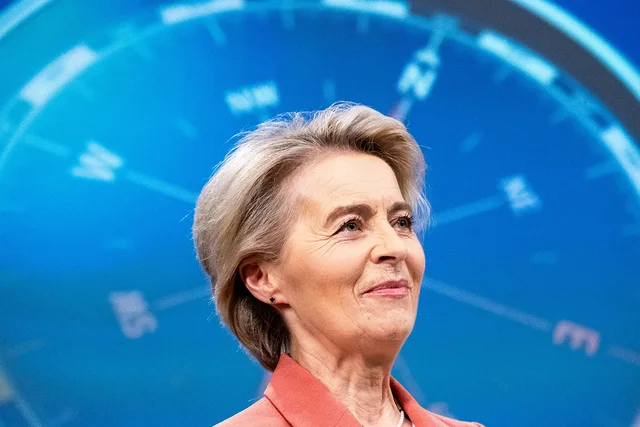
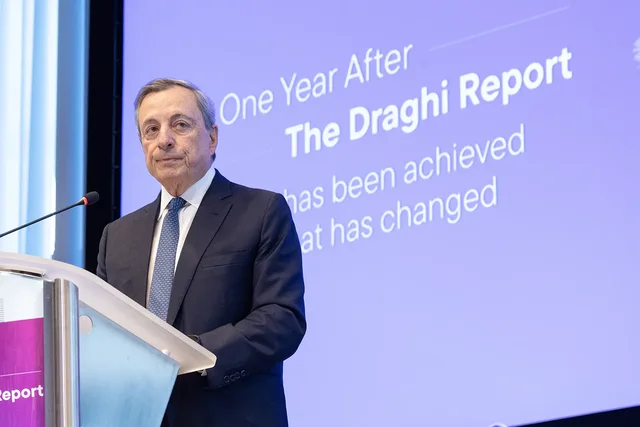
Kësaj i shtohen raporti i Draghit i vitit 2024 për rritjen e konkurrueshmërisë ekonomike dhe gjeopolitike të Evropës dhe nismat përkatëse për të hequr barrierat e brendshme dhe për të mbrojtur interesat ekonomike, nga “Busulla e Konkurrueshmërisë” e BE-së te iniciativat për sigurinë ekonomike dhe përparimi në planin për bashkimin e kursimeve dhe investimeve, që synon të unifikojë tregjet e fragmentuara të kapitalit. Sot, liderët kryesorë evropianë, Ursula von der Leyen në Bruksel, Emmanuel Macron në Paris dhe Friedrich Merz në Berlin, mbështesin integrimin e mëtejshëm dhe një Evropë më sovrane dhe më të aftë.
Megjithatë, sfidat mbeten të mëdha. Në dhjetor 2025, Evropa refuzoi të konfiskonte plotësisht asetet e ngrira ruse, një provë e vullnetit politik për të vendosur mbështetjen ndaj Ukrainës mbi shqetësimet për ndikimin në tërheqjen e kapitalit ndërkombëtar. Nëse Evropa nuk përdor fondet e Moskës për të mbrojtur Kievin, çfarë do të ndodhë kur buxhetet të ngushtohen?
In the field of defense, the problem is not a lack of funds. Since 2022, European defense spending has increased by 50%, and NATO’s new target of 3.5% of GDP would add hundreds of billions of euros per year by 2035, if the political will is maintained. The problem lies in the distributed manner of rearmament, among competing national “champions” and with limited progress towards common platforms. As of 2022, about 36% of European defense contracts went for American weapons. If Europe aims for real readiness, it must invest in common systems at EU level.
This would also bring economic benefits. According to the Kiel Institute, increasing spending from 2% to 3.5% of GDP could increase GDP by 0.9% to 1.5% per year, while every 1% increase in GDP on defense could increase long-term productivity by 0.25%, if the funds are spent cohesively within Europe.
The most pressing challenge remains economic competitiveness. The US grew real GDP by almost 25% between 2015–2024, compared to 15% in Europe. Forecasts show that Europe will grow about 1% less than the US in 2026 and 0.6% less in 2027. The IMF estimates that internal barriers to the single market amount to a 44% tariff on goods and 110% on services. The lack of integrated capital markets limits the financing of start-ups and innovation.
Meanwhile, China poses the biggest long-term economic challenge. China’s net trade surplus with Europe rose from €100 billion in 2014 to around €300 billion in 2024, peaking at €400 billion in 2022. As China increased its market share in key European sectors, the EU has responded with limited protectionist measures, partly due to divisions among member states.
If Europe does not act quickly, it risks not only weak economic growth and pressure from Washington and Beijing, but also a populist revolt that could slow or reverse integration. The French elections of 2027 and the German ones by 2029 could significantly change the political landscape.
The positive news is that the necessary reforms, removing internal barriers, progressing in integrating capital markets, creating a strong economic security framework, and building an independent and cohesive defense, align with the objective of being a stronger ally of the US and countering China and Russia.
In conclusion, the opportunity exists. The question is not whether Europe will survive, but whether Europeans will show the political will and the urgency to respond to the moment. /Adapted from Foreign Policy /





Europa ka dy probleme per te zgjidhur pas ketij zgjimi tronditës. 1-Të krijojë një bashkim më të centralizuar federal, dhe të ndërhyjë më pak në identitetet dhe vendimet e pushteteve shtetërore. Me fjalë të tjera, të përdorë modelin amerikan federatë-shtete, me disa ndryshime që mund ta bëjnë më efikas.
Eurokurva do ngordhe si ato rrospiet rrugeve ne te ftohte mbuluar me rrogoz. Europa nje entitet me kombe te ndryshshenm ne gjuhe, kulture e ideollogji eshte e pamundur te jete nje formacion i bashkuar. Tere jeten kombet e Europes kane gjakosur njeri tjetrin e gjaku kurre nuk falet. Englezet thone qe, karma is bitch (karma eshe buce). Gjynahet e Europianeve te tere ndaj Shqiptareve do lahen nje me nje. Gjeni nje shtet qe nuk i ka bere keq Shqiptareve, fillo nga Vikinget, Gjermaniket, Latinet, Sllavet e deri Otomanet aziatike me Arabe e surrogato te tjere. Si do i behet Shqiptareve, ja kane marre rruget e botes e do mbijetojne diku ku te mundin. Nuk eshte fjala per disfatizem por durimi ka nje kufi. Keq, shume keq por ja keshtu u ndodhi Shqiptareve si Amerikaneve native e shume popujve te tjere.