


 Shkruar nga Albin Kurti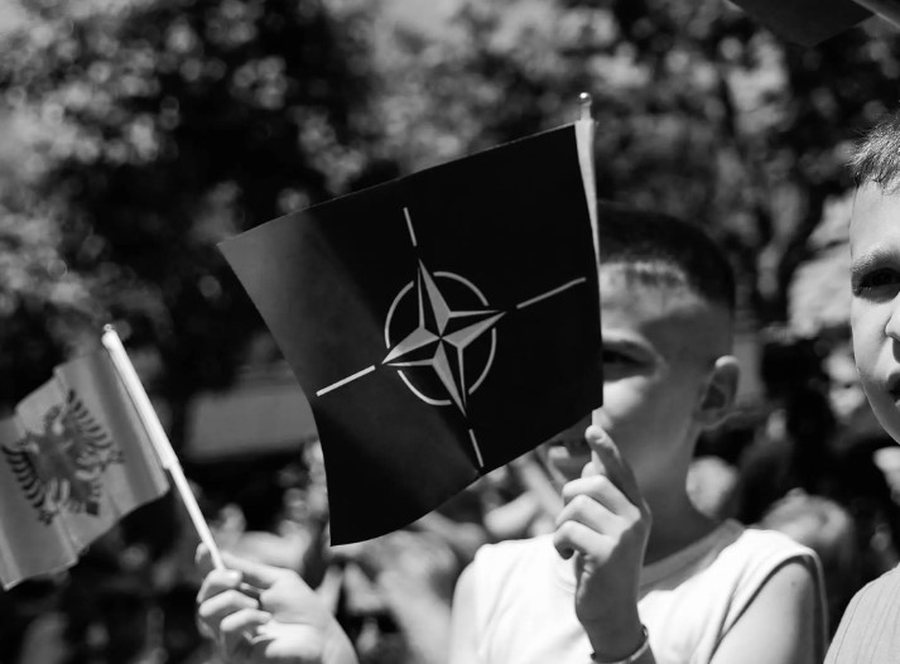
A quarter of a century after its intervention, NATO's role in Kosovo proves that the organization is more decisive than ever.
Some in the United States have downplayed NATO's importance. Many European partners worry that after the US presidential election in November, American commitment to the alliance will wane. But as NATO prepares to begin its summit in Washington on Tuesday, marking 75 years since its birth, I would like to remind the world how NATO is embedded in the cultural and political identity of one country in Europe: the country my, Kosovo.
In 1999, a ruthless Serbian campaign led by Serbian leader and Yugoslav president Slobodan Milosevic resulted in massacres, rapes and the expulsion of about half of Kosovo's majority Albanian population. It was a humanitarian disaster. Continued NATO aerial bombardment of Serbian forces and positions put an end to the horror. The alliance sent nearly 50,000 troops soon after.
Who among my men could forget the sight of NATO soldiers being cheered as they arrived? Over the past 25 years, as NATO helped liberate Kosovo and keep the peace, we built democracy to foster that peace from within. We declared our independence in 2008, an idea that will resonate with Americans who have just celebrated Independence Day. Most of the world now knows the nation known as Kosovo, although I prefer the Albanian spelling.
There was no doubt for us, given the fresh memories of genocide in Rwanda and Bosnia, that the situation in Kosovo would have deteriorated rapidly without NATO. As a Kosovar, it is painful to even imagine how much worse it could have been.
From the beginning, NATO's intervention was humanitarian. But a humanitarian intervention also serves national interests, however distinct we might like to think of them. Peace in Europe and the cessation of human suffering served the national interests of NATO members. The conflict in the Balkans increases the risk of spillover into Western Europe, not only through refugee crises, but also by attracting foreign players to this historically important geopolitical border, threatening Europe's security.
NATO is not an abstract entity acting on its own. It requires political will. In the case of Kosovo, we had the political will of many major powers, including the United States, NATO's largest military power. Secretary of State Madeleine Albright knew the region and the horrors of European wars. Despite being strongly associated with the Clinton administration, the intervention was bipartisan. In Congress, Senator Bob Dole, a Republican, was a strong advocate.
Ndërhyrja ushtarake duhet të jetë gjithmonë zgjidhja e fundit, dhe në Kosovë ishte. Takimet e nivelit të lartë dështuan vazhdimisht, duke përfshirë bisedimet në Kështjellën e Rambujesë në Francë midis përfaqësuesve serbë dhe shqiptarë dhe zyrtarëve amerikanë, evropianë dhe rusë. Diplomacia ishte shteruar ndërkohë që vriteshin njerëz. Lufta në Kosovë ishte e katërta që Millosheviçi kishte bërë në ish-Jugosllavi.
Shtrirja e mizorisë kërkonte një përgjigje të fortë. Pas 78 ditësh bombardimesh ajrore, sulmi më i madh ushtarak i aleancës që nga themelimi i saj në 1949, forcat e armatosura serbe u tërhoqën. NATO qëndroi në Kosovë dhe kthimi i refugjatëve pasoi nën administrimin dhe mbrojtjen e Kombeve të Bashkuara dhe Bashkimit Evropian.
Prania e NATO-s siguroi paqen dhe na lejoi të rindërtonim. Trupat e mbronin kufirin tonë, por gjithashtu na ndihmuan të mbrohemi, duke përfshirë edhe ngritjen e ushtrisë sonë, Forcën e Sigurisë së Kosovës. Misioni fillestar u nda midis Francës në veri, Italisë në perëndim, Gjermanisë në jug dhe Shteteve të Bashkuara në lindje, me Mbretërinë e Bashkuar në lindjen qendrore. Me kalimin e viteve, ndërsa stabiliteti ynë u rrit, NATO reduktoi në mënyrë drastike trupat e saj nga 50,000 fillestare në disa mijëra.
Perëndimi duhet të jetë krenar për këtë arritje. Kosova tani njihet si demokracia më e lartë në Ballkanin Perëndimor. Ky transformim nuk ishte bërë vetëm nga NATO; kërkoi përpjekje nga shumë parti dhe, më e rëndësishmja, vendosmëria e popullit kosovar që u angazhua në procesin politik. Por NATO-ja e bëri të mundur këtë realitet dhe nuk është rastësisht që lufta në Ukrainë shënon luftën e parë të madhe evropiane në mbi 100 vjet në të cilën vendet e Ballkanit Perëndimor nuk kanë marrë pjesë. Paqja është punë e vështirë dhe dinamike, ajo duhet të ruhet vazhdimisht .
Megjithatë, edhe pse demokracia e Kosovës është në rritje, kërcënimet ndaj sigurisë së saj janë gjithashtu në rritje. Në shtator, trupat paraushtarake serbe të armatosura rëndë, të cilat ne besojmë se vinin nga Serbia, zunë pozicione në Manastirin Ortodoks të Banjskës në atë që qeveria e SHBA e quajti një përpjekje shumë të organizuar që përfshinte armë të sofistikuara. Forcat ushtarake serbe u mobilizuan pranë kufirit tonë, një veprim i kritikuar nga Shtetet e Bashkuara si "destabilizues". Vitin e kaluar NATO rriti trupat e saj nga 3,770 në rreth 4,500 mes kërcënimeve në rritje për paqen.
Political challenges also remain. In 2017, Aleksandar Vucic, a former propaganda minister under Milosevic, became president of Serbia. His rise marked a return to Milosevic's authoritarian, ethno-nationalist politics, particularly of the expansionist kind. Belgrade's authoritarian policy made life especially difficult for ethnic Serbs in Kosovo. They had to play their role as a minority in a new country with a population of approximately 93 percent ethnic Albanians and 7 percent made up of other minorities, including Roma and Turks. Serbia has prevented this integration. It took courage for ethnic Serbs to join institutions and become active participants in the country.
A new front in the Balkans would serve Russia as well as Serbia: Serbia could try to gain territory through aggression, and Russia could gain a firmer grip on Serbia as a satellite, in addition to distracting the world from the ongoing war. makes in Ukraine. Under the leadership of Mr. Vucic, Serbia has invested heavily in its military and military cooperation with Russia. A 2019 report by the US Department of Defense concluded that "Serbia provides the most enabling environment for Russian influence in the Western Balkans". Kosovo, on the contrary, could not offer a less permissive environment. We have remained strongly pro-Western.
A quarter of a century after its intervention, NATO's role in Kosovo proves that the organization is more decisive than ever. Her strong track record in the country shows that the democracy and institutional support she helped establish, along with the external threats she prevented, successfully preserved the peace. Unfortunately, 25 years later, we are once again facing war and threats of war in Europe. Here, peace is sustained only by our ability to defend it when it is directly challenged, and the threat of such a challenge is more real than ever./ The New York Times




Lini një Përgjigje