


 Shkruar nga Lutfi Dervishi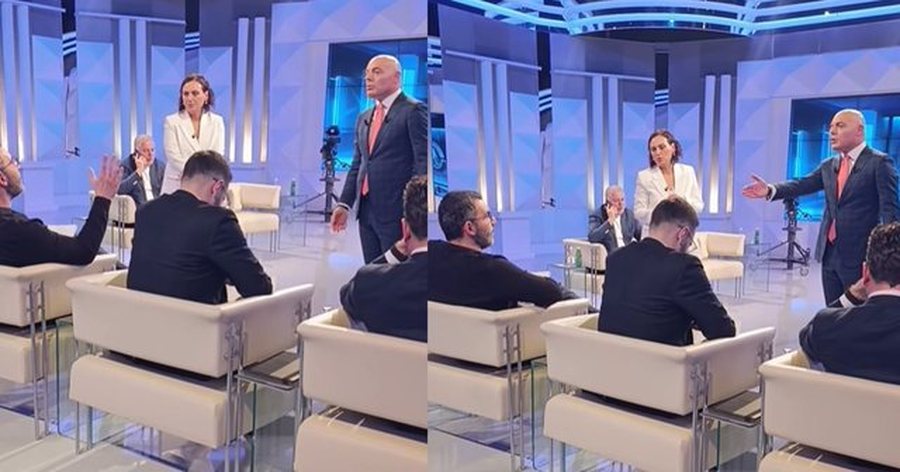
The debate that ate up the "show" scratches a wound that has been taking its toll for a long time: the independence of the media. Editorial independence from ownership, from economic interests and from political influence.
For three days, the debate held on the "Opinion" show between host Blendi Fevziu and the representative of the "Bashke" movement, Arlind Qori, has sparked numerous discussions on social networks.
In Opinion, four leaders of new parties were invited, but the television time was dominated by the clash between Fevzi and Qori. The latter expressed his displeasure that he had not been invited to the program for more than a year, accusing the major television stations of boycotting him and the movement he represents.
Qori accused Klan TV of censorship, which was strongly opposed by Fevziu. The head of Opinion stated that no one can dictate who to invite to his show, stressing the editorial independence of the "Opinion" program.
But if we take for granted the editorial independence of OPINION, which is more the individual fruit of the leader's decades of work and attitude, the independence of the media and the new information environment are elephants in front of everyone.
The debate that ate up the "show" scratches a wound that has been taking its toll for a long time: the independence of the media. Editorial independence from ownership, from economic interests and from political influence.
Today we live in a different environment. It's not just the big screen anymore! Alongside traditional media, social media have gained an important role.
Anyone with a cell phone in their hand is the media. Even at a time when every power wants to do the work of the other, the unthinkable has happened; the government has become the media itself; produces news and reports for itself, which televisions only broadcast. The ministers and the prime minister himself report from the roads blocked with snow, to the construction sites where they work day and night!
News and news have become one!
The election campaign, excluding election day, is reported by the parties themselves!
Historically, in Albania, even young leaders supported by television have not had political success.
The credibility of the media has dropped significantly, from 70% a decade ago to 20% due to lack of editorial independence, corruption and political control.
But an example that challenges the media establishment is the case of Donald Trump, who won the presidential election by boycotting the traditional media and opposing the polls. Relying on social media and meeting people proved more effective.
The new parties in Albania (and there are not only four that appear on television) face the dilemma of whether they should challenge the system from the outside or try to change it from the inside.
In an environment where editorial independence does not even exist on paper and the credibility of (traditional) media is at low levels, this dilemma becomes even more difficult.
But the problem of the new parties is not the fight for the big screen. The challenge remains success on the small screen social media) And for failure here you have no one to blame but yourself!


Lini një Përgjigje