


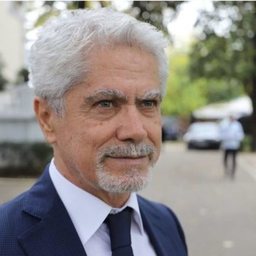
 Shkruar nga Ilir Yzeiri
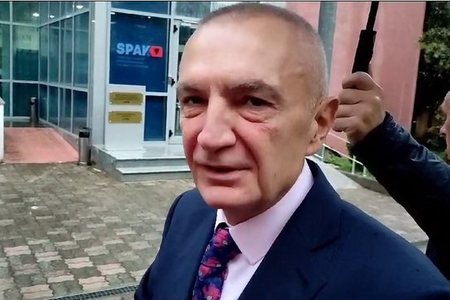
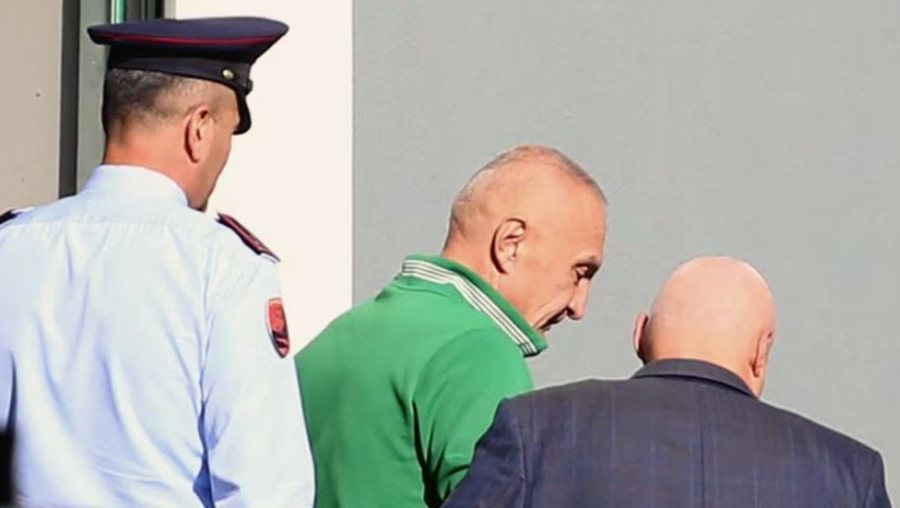
The arrest of Ilir Meta, the man who in the period of the Albanian transition, like no other, has held all the high positions of the country, closed a long and difficult chapter of the Albanian transition.
Ilir Meta has been Prime Minister and Deputy Prime Minister, Minister of Foreign Affairs and Energy, Speaker of the Parliament and President of the Republic, without mentioning here the high positions in the SP and the creation of the LSI, the Socialist Movement for Integration today the Freedom Party. Only Enver Hoxha has had so many powers in a short period of time.
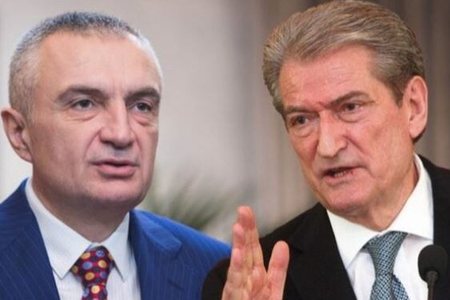
More than other senior politicians of the Albanian transition, Ilir Meta has had the regressive narrative built around his figure. From the beginning, when he took over the government from Fatos Nano, he was portrayed by Nano as the architect of corruption when he had only been prime minister for a few months. His long career has been marked by the texts produced by his political opponents. Sali Berisha was the one who most violently defined him as the most corrupt man in the country.
Despite the energy he sometimes displayed at the head of the country's affairs, Ilir Meta remained in the Albanian narrative as the man who symbolizes corruption. He never made even the slightest attempt to clear himself from this text, withdraw and seek the legal way to face the accusations made by his political opponents, as well as the media. The only trial he did was actually an adventure that turned him upside down. The protection and innocence he secured through the support of the former prime minister and friend-enemy Sali Berisha, for the issue of the famous block, fell like a boomerang and added another chapter to the negative and regressive narrative for him - that of the capture of justice .
Another side that Ilir Meta's arrest revealed is that now, even after the arrest of Sali Berisha and his son-in-law, Albanian society is passing from the folkloric stage to the logical, institutional one. The reform in justice and the action of SPAK have a special value because they are managing to dismantle the folkloric mentality of the Albanian society that relies on public and popular trials that are usually held in television studios, in cafes and which then turn into urban legends by designing according to the legality of folklore, the Robin Hood-type hero who steals, violates the law or violates institutions in the name of the poor.
Our folkloric society and narrative of transition also comes from the partisan tradition of communism according to which heroes are good and bad, and they are divided into fighters for the motherland and traitors. According to this narrative, justice punishes the opponents of the victors and does not touch the triumphant. During the dictatorship, opponents of the nomenklatura were politically punished. Berisha carried this tradition when he came to power and built a justice system to fight the opponent and not affect the winners. The deeds of the victors were shown as acts of bravery.
Therefore, Ilir Meta and Sali Berisha do not believe today that they are ordinary people and that justice or the law is equal for them as well. Their violent reaction and the transfer of their defense from being accused of corruption to being accused of politics stems from this mindset and this folklore. We do not know if the opening of negotiations for some group chapters with the European Union and the arrest of Ilir Meta or the detention of Sali Berisha is a coincidence. One thing is certain, the Albanian society is now starting a new stage of its development.
Today, we are moving from the folklore of public trials and urban legends with heroes and enemies to a society where the leadership of a country is valued as an ordinary body of people and not as a military unit that fights the adversary. That body has a fixed mandate and if any of them, be it the president or the prime minister, has broken the law, he or she will have to appear before the justice system and cannot hand over his image to the authors of the narrative. urban folklore or legends with heroes and traitors. This is a traumatic development in a society that is not used to punishing those who are taken as heroes and then steal or kill them.



Lini një Përgjigje