


 Shkruar nga Federico Fubini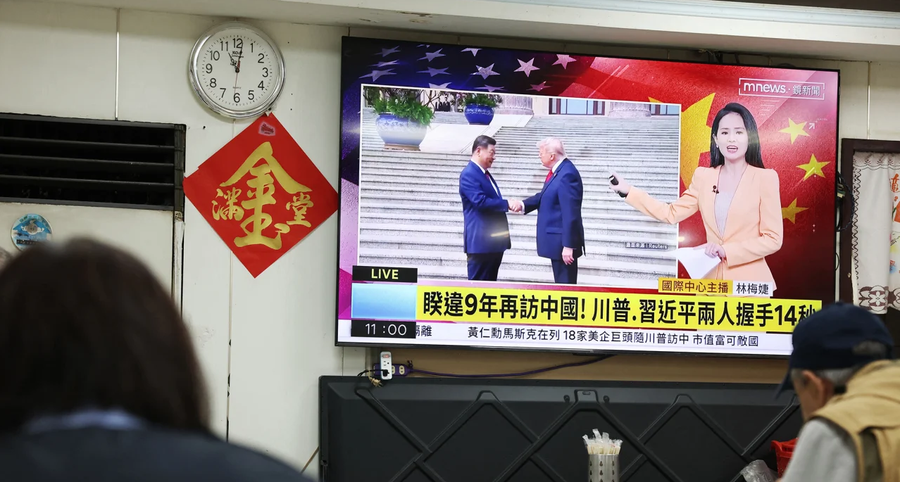
Prominent American political scientist Odd Arne Westad warns that the current world order is dangerously sliding towards the scenarios of 1914. Through a look at the chronic crises in Ukraine and Iran, he unpacks the frightening similarities between Washington's geopolitical decline and the window of opportunity that is opening for China to dare to retake Taiwan by force...
Yale University political scientist Odd Arne Westad’s latest book, “The Coming Storm,” has become one of the most talked-about events of recent weeks. Through sharp geopolitical analysis, Westad dares to draw direct and quite disturbing parallels between today’s international order and the diplomatic theater that preceded the Great War in 1914.
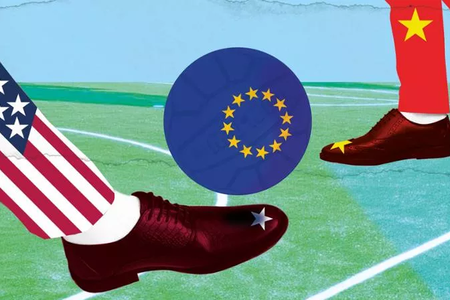
In this new equation, China plays the role of the then-imperial Germany - a rising and revisionist power - while the United States positions itself in the role of the British Empire, which vacillated between decline and strategic uncertainty.

In this interview with Corriere, Westad breaks down the mechanisms of this historical similarity, highlighting a paradoxical phenomenon: even though today's leaders communicate more than ever, they suffer from a chronic inability to understand each other's real intentions.
From the crisis in Ukraine and Iran, to the risk of a fatal miscalculation in the Taiwan Strait, the Yale professor warns that the illusion of a "quick military success" could drag the world down the drain again, exactly as European governments believed before the Balkan crisis finally spiraled out of control.
Do you expect an agreement between Donald Trump and Xi Jinping?
I believe that the summit between them is a typical example of what I write about in my book: the art of speaking without being understood. Today, world leaders communicate intensively, and this in itself is a positive fact.
But, just as before 1914, they perceive very little about the other side's true goals and objectives. I expect important talks between Trump and Xi on trade and technology issues, but a serious dialogue on broader strategic issues remains extremely difficult.
Is Trump suffering from international isolation?
I believe so, and this isolation stems from within the United States itself. This is another major similarity to Great Britain before the Great War, when it went from a period of dictating almost everything in international affairs to a phase of profound uncertainty.
Dhe ajo pasiguri e kishte zanafillën në Londër. Kjo na kujton shumë atë që po ndodh sot në SHBA. Vetë amerikanët po tërhiqen nga një pjesë e mirë e ndërveprimeve globale, sidomos met miqtë dhe aleatët e tyre tradicionalë.
Dhe çfarë pasojash do sjellë kjo?
Kjo qasje prodhon pasiguri dhe tensione. Ajo krijon një paqëndrueshmëri që i hap rrugën një konflikti potencial në të ardhmen, sepse Kina dhe Rusia po vëzhgojnë me vëmendje. Ato do të vlerësojnë vetë nëse angazhimi tradicional i Shteteve të Bashkuara në NATO, në Europë, apo në marrëveshjet e sigurisë me Japoninë dhe Koresë së Jugut, funksionon ende realisht apo jo.
Pse ju shqetëson kjo gjë?
Sepse siç e pamë edhe në vitin 1914, ky është pikërisht një nga ato aspekte që mund të çojë në keqkuptime të rënda mbi atë që mund të arrihet përmes presioneve politike ekstreme dhe aksioneve ushtarake.
Por një ndryshim nga e kaluara është se sot nuk ekzistojnë aleanca kaq të ngurta sa të tërheqin automatikisht të gjithë në luftë pas një incidenti të vetëm...
Kjo është e vërtetë. Një pjesë e problemit në vitin 1914 ishte ekzistenca e aleancave formale. Ato supozohej të parandalonin kundërshtarët nga nisja e luftërave, por fuqitë revizioniste si Gjermania dyshonin se aleancat e ngritura kundër tyre ishin vërtet të besueshme.
E njëjta gjë më shqetëson edhe te disa nga fuqitë e sotme, si Rusia por edhe Kina. Ky është një paralelizëm që më shqetëson vërtet. Në atë kohë, qeveritë mendonin se ajo që ndodhte në Ballkan do të mbetej brenda Ballkanit. Derisa erdhi dita që ky iluzion u shpërbë.
Konfliktet në Ukrainë dhe në Iran po dalin tmerrësisht të vështira për t’u mbyllur. A po kthehen ato në luftëra kronike?
Disa nga këto luftëra po bëhen kronike, duke u kthyer në pjesë të pandashme të rajoneve ku zhvillohen. Ato mund të mos shfaqen gjithmonë me të njëjtën formë apo intensitet. Për shembull, në Ukrainë konflikti mund të vijojë me më pak përplasje të drejtpërdrejta në Donbas.
E njëjta gjë vlen edhe për Iranin. Në rastin e një armëpushimi të gjatë, asnjë nga problemet themelore nuk do të zhdukej, sepse lufta nuk i ka zgjidhur shkaqet e përplasjeve. Pra, këto konflikte mund të konsiderohen kronike nëse prekin vetëm ato zona dhe kanë implikime të kufizuara. Por ekziston edhe mënyrë tjetër e të parit të gjërave: ato priren të bëhen endemike ose të përfshijnë gradualisht vende të tjera.
Cilit prej këtyre dy skenarëve i besoni më shumë?
Nëse do të ndodhte një ngjarje me përmasa globale, ajo mund të shërbente si shkëndijë për një luftë mes fuqive të mëdha. Ky është pikërisht shqetësimi im më i madh lidhur me llojin e konflikteve kronike që kemi aktualisht në disa pjesë të botës.
Nisur nga rastet e Iranit dhe Ukrainës, a do të arrijë Kina në përfundimin se është më mirë të tregohet e kujdesshme, apo se ka ardhur momenti për të rimarrë me forcë Tajvanin, duke qenë se Amerika është e dobësuar dhe e shpërqendruar?
Beijing will weigh carefully what all this means for its own interests. And unification with Taiwan is clearly at the top of its list of priorities. The Chinese will carefully analyze the potential for others to interfere in a possible military operation against Taiwan.
The crisis in Iran has exposed some of the weaknesses of American interventions abroad, greatly distracting the United States from the Far East, at a time when American ammunition reserves are running low.
And where exactly does the parallel with 1914 lie?
At that time, there was a belief that strategic objectives could be achieved through swift and lightning action. This is the element that alarms me the most. I don't think Xi Jinping wakes up in the morning and says: "Today is the right day, I will achieve national unification!"
But if something were to happen that would push the Chinese leadership in that direction, it could very well risk reasoning with the same logic as the Germans in the summer of 1914. / Pamphlet from "Corriere della Sera"



Lini një Përgjigje