


 Shkruar nga Vincenzo Musacchio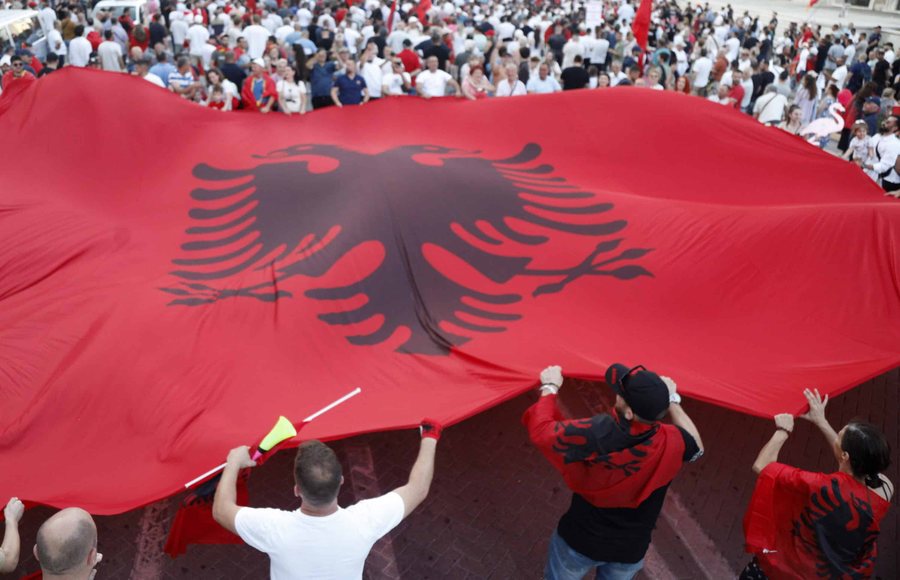
Civic mobilization in Albania is presented as a turning point for democracy, with demands for transparency, the rule of law, the fight against corruption, and stronger institutions, placing the country at a crucial moment for its European future...
There is a certain moment when the history of a nation stops being written in the corridors of power and returns to being dictated by popular movements that make the asphalt tremble. That moment, in Albania, is now: not as an isolated episode, but as a collective turning point, capable of transforming disappointment into a political project and protest into civic responsibility.
Tirana's squares, filled with flags, new faces, and tireless voices, do not simply represent a temporary mobilization. They are the expression of a community that feels it can no longer delegate its fate to shady practices and unfulfilled promises.
On many occasions, European politics has reminded us that democracy is not defined by votes alone: it is measured by the ability of institutions to listen, correct, and guarantee concrete rights. And this is precisely what Albania is seeking with determination and clarity.
We are faced with a great popular mobilization that pulsates with extraordinary democratic vitality. Such a broad, inclusive, and determined collective movement deserves not only the utmost respect, but also the unwavering support of the entire international community.
For years, Albania's image abroad has been lazily linked to old clichés or a narrative of perpetual transition: that of a country always "on the brink", always "ready", always suspended between announced reforms and postponed changes.
Today, Albanian citizens are tearing up that scenario, showing that transformation cannot be imposed from above: it must be born of the popular will and consolidated through equal rules for all. By coming out en masse, the people have chosen to reject the apathy and resignation that, on the contrary, affect a large part of Europe and, in particular, Italy. However, this choice is not an emotional gesture without perspective: it is the response to a real need for social security, administrative transparency and the possibility of a dignified life.
Nuk bëhet fjalë vetëm për kërkesa ekonomike apo rrethana politike, por për një bast mbi të ardhmen, të bazuar në një ide të qartë: nëse shteti i së drejtës funksionon, rritja bëhet e mundur, inovacioni përshpejtohet dhe të rinjtë nuk duhet të përballen më me koston e dhimbshme të emigrimit. Mobilizimi kërkon me forcë një luftë pa kompromis kundër korrupsionit; institucione të forta dhe të pavarura, të afta për të garantuar shtetin e së drejtës; si dhe mundësi reale për të rinjtë, në mënyrë që të mos detyrohen ta kërkojnë të ardhmen larg vendit të tyre.
Në këtë kontekst, kërkesa për transparencë nuk është abstrakte: ajo nënkupton procedura publike të verifikueshme, kontrolle efektive, përgjegjësi reale dhe fundin e atyre zonave gri që ushqejnë mosbesimin dhe paralizën. Do të thotë gjithashtu mbrojtje e të drejtave civile dhe politike, duke garantuar që kush proteston ta bëjë këtë pa frikësime dhe që ata që punojnë në institucione të vlerësohen për rezultatet dhe integritetin e tyre, jo për përkatësinë. Si një person që në ADN-në e tij ka gjak arbëresh, mund të them me bindje se sheshi shqiptar nuk po kërkon favore. Ai po kërkon të drejta. Dhe po e bën këtë me një qytetari që meriton vëmendje dhe respekt: jo me kaos të kotë, por me një mesazh politik të ndërtuar, që bashkon dinjitetin, vendosmërinë dhe ndërgjegjësimin. Kjo aftësi për të qëndruar së bashku, pa rënë pre e urrejtjes, i jep një mësim demokracie gjithë botës, sepse tregon se forca e shesheve mund të jetë edhe përgjegjësi dhe se pjesëmarrja popullore mund të shndërrohet në një formë të pjekur kontrolli mbi pushtetin.
Ky zgjim popullor ka një vlerë që i tejkalon kufijtë kombëtarë. Shqipëria prej kohësh e ka orientuar vështrimin drejt Bashkimit Evropian dhe qytetarët që protestojnë sot janë mbështetësit më të vendosur të vlerave evropiane: lirisë, drejtësisë sociale dhe demokracisë përfaqësuese. Në shumë demokraci perëndimore, përkundrazi, vihet re rritja e abstencionizmit dhe zhgënjimit, sikur politika të ishte e pashmangshme larg nevojave reale. Shqipëria na kujton me fakte se çfarë do të thotë të luftosh për fatin tënd dhe se demokracia e gjallë kërkon guxim, organizim dhe vazhdimësi.
To look the other way or to consider this mobilization as an “internal matter” would be an unforgivable mistake for Brussels and the West. Democratic reforms are not just about those who govern a single country: they affect the credibility of the entire European project and the way corruption, inequalities and mistrust of institutions are fought. For this reason, international attention should not be translated into slogans, but into verifiable commitments: technical support, impartial monitoring, rigorous assessments and clear conditions linked to results. Governments come and go, but sovereignty belongs to the people. Those who sit in the offices of power in Tirana have a moral and political obligation to listen to this call for help and hope, avoiding silence, broken promises and superficial responses.
At the same time, the European Union and Western partners must recognize this moment as a decisive opportunity: not to "manage" the square, but to accompany a structural change that strengthens trust, reduces dysfunctions and really paves the way towards credible institutions. The mobilization of the Albanian people is the clearest sign of a vibrant, mature nation ready to take on the future that belongs to it. The eagles have returned to fly high and their message is clear: the future of Albania is decided in the squares, with the people and for the people. And this future cannot be postponed any longer – not even for the good of the European people – because a democracy that strengthens in the east also makes stronger what claims to be so in the west. /Adapted from "Pamphlet" by " La Notizia "



Lini një Përgjigje