


 Shkruar nga Thoma Gëllçi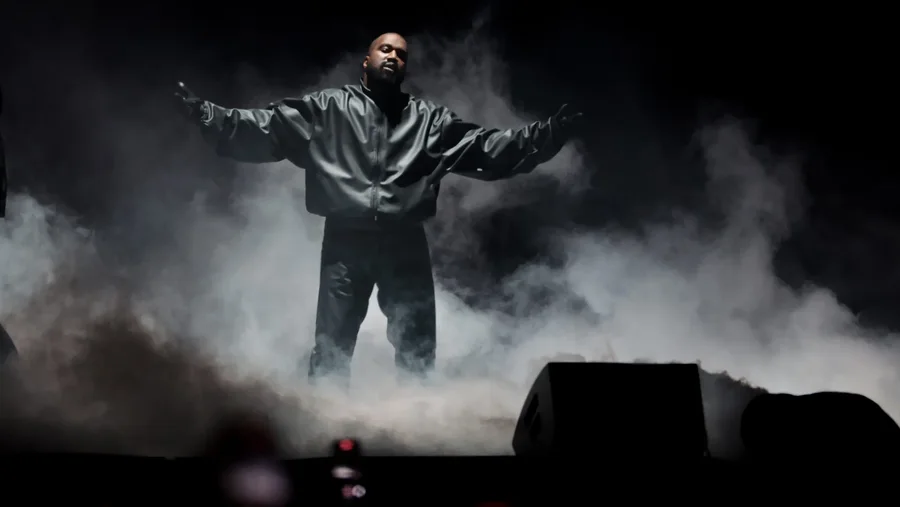
The reserve fund was not created for concerts. It is a financial mechanism for extraordinary events such as fires, floods, earthquakes, epidemics and other situations where the state must react immediately to protect life, property and the public interest.
In Ancient Rome, the Roman poet Juvenal described a form of government that became known as "bread and circuses": Emperors organized competitions, shows, and grand spectacles for the public, while also distributing free food. The goal was not to solve the problems of the citizens, but to reduce discontent and divert attention from the way the country was governed.
Nearly two thousand years have passed, but this practice continues to be mentioned whenever a government prioritizes spectacle over responsibility for the management of public money.
It is precisely for this reason that the news that the Albanian government used 4 million euros from the reserve fund to finance Kanye West's concert in Tirana has caused reactions.
First, the concert is not a public service. It is a private activity. The organizers sell tickets, generate income and benefit economically from its organization. This is normal in a market economy. Whoever organizes a concert also assumes its financial risk. If the activity is successful, he wins. If it is not, he loses. This is the rule of the market.
The role of the state is not to cover the financial risk of private enterprises with taxpayers' money. On the contrary, the state should create the conditions for private activities to develop, pay taxes and contribute to the country's budget, not be financed by it.
Secondly, even if the government decides to support a cultural or artistic activity, this must be done with funds earmarked for culture, tourism, or the promotion of the country. Using the reserve fund completely changes the nature of the decision.
The reserve fund is not created for concerts. It is a financial mechanism for extraordinary events: fires, floods, earthquakes, epidemics and other situations where the state must react immediately to protect life, property and the public interest.
If today the reserve fund is used for a concert, tomorrow it will be used for any other activity that the government considers politically beneficial. Thus, the line between public need and the interest of the moment is lost.
No concert, regardless of the artist's name or the number of spectators, can be considered a national emergency. A concert may bring visitors, publicity, or profits to the organizers, but these are not reasons to use the fund that was created for disasters and extraordinary situations.
In Ancient Rome, "bread and circuses" were financed by the emperor, who considered the state treasury to be his property. Today we live in a republic where the treasury does not belong to the prime minister, ministers, or government. It belongs to the taxpayers. Perhaps this is the change that should be remembered the most. Because Ancient Rome became history not only for its greatness, but also for the moment when the government began to believe that spectacle was a substitute for governance. When a government begins to treat spectacle as a national emergency, it risks treating the national emergency as a spectacle.





Lini një Përgjigje