


 Shkruar nga Artan Fuga
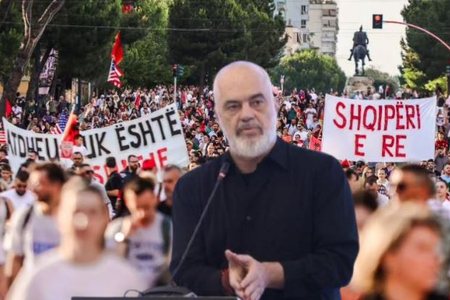
Today's protesters represent a protest that no conspiracy theory can explain, other than a stable psychological will, a resistance that comes from strong motives, and a daily continuity that remains to be seen how long it will continue.
Class differences in political rallies in today's Albania
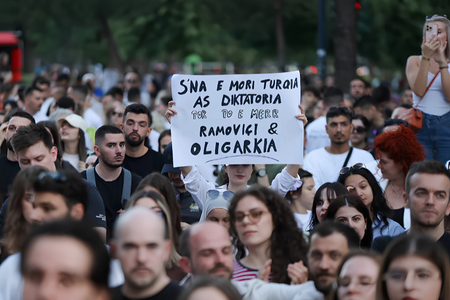
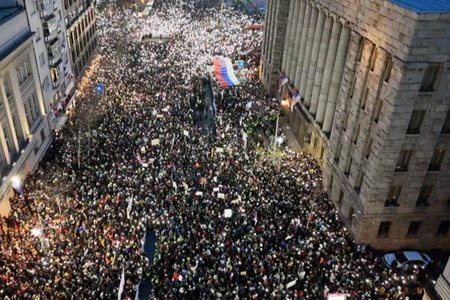
It is too early to talk about the social composition of the protesters who have been filling the squares and boulevards of Tirana and other cities in the country and abroad for ten days, demanding the resignation of the prime minister. However, some characteristics can be given anyway. Comparing them with the participants in the rallies, or anti-rallies organized by the party in government and the prime minister, or even with opposition rallies a few weeks and months ago.
1. Age. It seems from the participation that relatively young people and those in the lower age bracket of the country's average age, from 18 to 40 years old, are the ones who seem to be the majority, without excluding other age groups that are less represented. Meanwhile, in the political rallies of traditional parties, it is the over 50 and 60s who have had the most visibility. Even the leaders of parliamentary or traditional parties are also above average age, while young people climb the protest tribune.
2. Gender. It is interesting that there is a wide participation of the female gender, girls at a young age, mainly, very active, motivated, with a skillful articulation and sometimes with an aggressiveness that comes from both mass communication and internal revolt. The participation of the male gender is also considerable, but not even the slightest shadow of any gender inferiority is discernible. Meanwhile, in the leaders of traditional parties, in what we see in the Assembly hall, or even in the participants in the Prime Minister's meetings, a male participation prevails, as well as in the opposition meetings.
3. Place of residence. Despite the fact that there are protest rallies in other cities, or that protesters also come from the districts, it seems clear that the protesters are largely residing in Tirana. So we are dealing with the urban population of the capital. They are populations that have origins with families that have previously resided in Tirana, were born in Tirana, or came during the first years of post-communism and grew up in Tirana. Meanwhile, the prime minister has so far held meetings in districts of the country, such as Fier, Vlora, Shkodër, with a limited number of participants. It seems as if Tirana is in the hands of the protesters.
4. Përvoja jetësore dhe politike. Në krahasim me popullsitë që përfaqësohen në takimet e liderëve politikë tradicionalë, në pushtet apo në opozitë, të cilat kanë përvojë dhe kujtesë të drejtpërdrejtë personale nga koha e komunizmit, duket qartë se pjesëmarrësit në protesta janë të çliruar nga kujtesa historike e drejtpërdrejtë personale komuniste. Bashkë me kujtesën personale historike që është zbehur, nuk dallohen edhe shumë paragjykime dhe stereotipe që vijnë nga tradita e shoqërive autoritare sikurse janë sensi i hierarkisë, respekti mitik për liderët, kulti i individit, sloganet e parapërgatitura, dhe të tjera dukuri si këto. Ndërkohë duket qartë se protestuesit, me të drejtë, duket se kanë një lloj mosbesimi te çdo lider që mund të dalë. Kjo është karakteristikë e veprimit në masë, por edhe e zhgënjimit nga liderët tradicionalë. Ka një frikë se çdo lider mund të kapet nga politika e vjetër ose nga pushteti. Ndërkohë pjesëmarrësit në tubime politike kanë hyjnizim të liderit karizmatik dhe besnikërinë ndaj tij e quajnë vlerë etike bazë.
5. Motivimi qendrestar. Sado opozita ka bërë rezistencë ndaj pushtetit, ka qenë e qartë që partia opozitare tradicional nuk arrinte të mblidhte në mitingje njerëz që ishin të gatshëm për të qëndruar disa orë, dhe disa ditë, në protesta. Vinin, protestonin, iknin. Kjo lidhej edhe me faktin se vinin nga rrethet në shumicën e tyre, por edhe si kanë qenë të detyruar nga angazhimet e tjera të përditshme, por edhe për një lloj përtacie politike. Kurse ata që marrin pjesë deri tani në takimet e kryeministrit qëndrojnë edhe më pak kohën në takime, janë si të thuash më të qetë në komunikim, dhe sigurisht iu takojnë shtresave që kanë një status të caktuar në administratë ose janë të privilegjuar nga rrethana kontekstuale nga pushteti. Kurse protestuesit e sotëm paraqesin një protestë që asnjë teori konspiracioniste nuk i shpjegon dot, veç një vullneti psikologjik të qëndrueshëm, një rezistence që vjen nga motive të forta dhe një vazhdueshmëri të përditshme që do të shihet sa do të vazhdojë.
6. Serioziteti në komunikim shoqëruar sigurisht edhe me një lloj ligjërimi të ashpër, të drejtpërdrejtë, kritik. Sloganet e vjetra politike duket se janë lënë pas, dhe mbi të gjitha dallohet në parulla një ironi e thellë politike, e shoqëruar me një ikje dhe zbehje nga parullat fillestare ideologjikisht ekstreme, por edhe në një komunikimi që vazhdon për të intimiduar dhe vënë para përgjegjësisë liderët kryesorë të politikës postkomuniste. Kurse Kryeministri ka zgjedhur që ligjërimin ta shmangë nga hullia politike, ta fusë në një tematikë ambientaliste të kufizuar, ta pelikanizojë krizën e sotme politike, si edhe të japë shfaqje humori në skenë, të çuditshme për një kryeministër, që paraqitet edhe si një one man show ose parodist, çka përbën një komunikim të një lloji tjetër.
7. The perspective of Albanian issues. Traditional politics is based mainly on technical arguments, ideologically overestimates, that in practice it is something else, foreign investment, gigantic projects on roads, airports, resorts, gives priority to financial and economic categories such as profit, quality of service, investment, etc. While the protesters emphasize the idea that above ideological or propagandistic economic concepts, Albanians must be respected as citizens, their political, legal, social, property rights, etc. However, so far technicians, intellectuals, teachers, etc., generally remain silent, reserved, withdrawn.
8. Being more open to a cosmopolitan conscience, the protesters paradoxically do not have any inferiority complex or deification of foreigners, as has been the tradition in Albania until now. It seems that a historical moment has come when young people, both from the experience of emigrants and from communicative contact with a global world, have a psychological coexistence within them. So they have an open cosmopolitan conscience that does not conflict but on the contrary reinforces the collective patriotic psychology, sometimes even with nationalist notes. For them, patriotism as well as the fight against corruption constitute the mechanism for solving social problems. Their clarity is evident: The cause of the problems is a political class that has monopolized power, then has become corrupt, and as a result has surrendered to any pressure and is ready to sacrifice the interests of Albanians for selfish material interests.
9. Social position. It seems that the participants in the prime ministerial rallies have a certain social status and constitute a class that occupies a somewhat privileged position in society. Deputies, civil servants, well-paid analysts, businessmen, pensioners with stable incomes, which are a minority in relation to the pensioner class, etc. And even due to their age, the protesters do not have a guaranteed social status for the future and certainly have anxieties about the life they have ahead, as well as the need for health, education, housing.
10. Virtual social status. The tenors of the propaganda of traditional political parties, especially those in power, have earned their reputation over the years through political careers. They have become known over the years through their continuous and excessive appearances in conventional media, or because of electoral campaigns. While those who have a reputation among the mass of protesters have created this mainly through social networks or by being non-political journalists in the media. But, we mainly have the influence of social networks in creating the reputation of protesting characters among the supporting political opinion.



Lini një Përgjigje