


 Shkruar nga Ben Andoni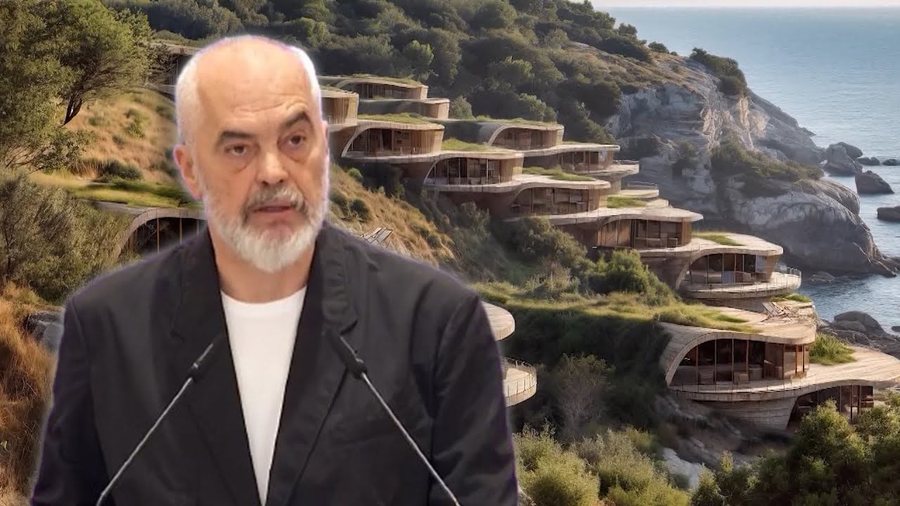
Before arguing, we are briefly explaining the concept of "TINA". It is the English acronym for the phrase "there is no alternative". In the literature it is commonly used by investors when they want to explain the poor performance of stocks on the grounds that other sources of assets offer even worse returns. Or, for example, during times when bonds are performing poorly, while stocks seem to remain the only choice.
Margarët Thaçër, the conservative prime minister of Great Britain for almost two decades, even used TINA as a political slogan. With this motto, the "Iron Lady" countered her critics, who systematically increased until the end of her run. It is understood that she pitched the phrase to mainly Labor people to justify her market-oriented policies of deregulation, political centralisation, spending cuts and rolling back the welfare state. It was clear to him that: "the neoliberalism of the free market had no alternative".
Again, referring to the literature, the state of the neoliberal model is not understood as a "redistributive engine" nor as a "security guard", but as a guarantor of the conditions within which business can develop freely. Time would prove the prime minister right, while the well-known political scientist Francis Fukuyama not long after argued that the point of view of Mrs. Thatcher was proven forever. "With Communism discredited, he wrote, no ideology could compete seriously with capitalism and democracy: the 'end of history' that Marx promised had come, albeit in a form he failed to foresee."
But why are we connecting it with the time we live in and our country?! Since, again in an attempt to recharacterize it politically, TINA seems to be exposing the great challenge to values, democracy, and it seems that this type of politics that is giving birth to autocrats (we have them alive in the Balkans), is transforming that sacred value, what people perceive about the rule of law. TINA is not only no longer considered a consequence of neoliberal ideology, but constitutes its main feature. This feature also crushes the liberal political tradition, so articulated by various rulers and not least ours for the clear distinction between different levels of political power (constitutional, legislative and individual), as well as the distinction between the political power of the state and the economic power of the markets. Except TINA feels, when this type of today's politics created difficulties until state bankruptcies, authoritarianism, poverty and inequality, or like those in our times, when neoliberal policies are bringing many problems with the economic system, where as in the case of Albania we have the unfair and dubious privatization of public property, the cuts in the social security system, the reduction of pensions and so on.
From the late 1980s to 2008, the TINA concept was repeated too often to the people of the European community, when in fact several alternatives clearly existed. TINA collapsed with the financial crisis of 2008, which was precisely the result of several other TINAs (not other alternatives).
For all these 34 years of transition, no government has made more promises to Albanians than the socialist government of Edi Rama. In the tollovina of our country, which looks at the operation of the local government, the confusion with the properties, the way the country's assets are handled, the level of organized crime, etc., the Rama government has received the legitimacy to clean the country and represent a kind of controlled management of every problem of the country, repeating to us that it is the only one in front of TINA.
At least, this is what he says in his appearances in front of his people in frequent assemblies and especially in his monologues, which are impossible to interrupt. It cannot be denied that the "Rama" reforms of the beginning for payments and especially the fight against informality were welcomed and were the ones that gave it popular support. The digital revolution of the administration has been greatly appreciated, but in recent times its endless handicaps and the addition of the administration instead of the subtraction have shown that the "Rama" powerocracy could not put the Albanian state in the right holes even after almost 11 years of power complete and above all, Albania could not be separated from the poverty index, where it deservedly shares the last place with Kosovo.
Në literaturë ngrihen pyetje nëse elitat funksionale në Evropë i kuptojnë dot mësimet e tyre mjaft shpejt dhe bëjnë atë që shumica brenda vendeve të tyre presin?! A po e kuptojnë dot në Shqipëri pushtetarët se sensi që nuk ka alternativë pa ta, po kthehet në makth të vërtetë për demokracinë? Korrupsioni në Shqipëri nuk di të ndalet. Në fakt, problemi s’është aq i thjeshtë, pasi TINA-s nuk konsiderohet vetëm e keqe. Ideologjia neoliberale për TINA-ën nuk reduktohet në një utopi anarkike të devotshme.
Në fakt, ajo udhëheq sensin e institucioneve të përbashkëta dhe politike kombëtare, ndërkombëtare dhe globale (psh. FMN, BQE dhe KE), referuar literaturës. Për këtë arsye, është e rëndësishme të tregohet zbatimi i tij, së bashku me disa pasoja të paparashikuara politike, si rritja e deficitit demokratik dhe fuqia e të fortëve në çdo qelizë të shtetit. Sot në Bashkimin Evropian, politikat neoliberale paraqiten si të pashmangshme. Për njerëzit janë ende të gjalla masat shtrënguese, që u aplikuan për të shpëtuar borxhin e Greqisë dhe Portugalisë.
Kancelarja gjermane Merkel i tha asokohe kryeministrit grek Tsipras se nuk kishte alternativë ndaj ofertës së kreditorëve (Evropa 2015); Cipras dëshmoi nuk kishte alternativë ndaj paketës së masave shtrënguese (Reuters 2015); kryeministri portugez Passos Koelho pohoi se nuk kishte alternativë për të vazhduar rrugën e reformës dhe konsolidimit të buxhetit (Mni Deustche Börse Group 2012). E kështu me radhë.
Si përmbledhje, nën konceptin TINA, të gjitha shtetet sundohen nga fuqia jopersonale e dorës së padukshme, sepse ka arsye financiare dhe ekonomike për të mos ofruar politika të ndryshme dhe as për të lejuar politikat e shteteve të kërkojnë udhë alternative. Flitet për shtete të konsoliduara dhe jo vende si Shqipëria. Kjo bën që institucionet neoliberale kombëtare, veç atyre ndërkombëtare, t’ua imponojnë shumë gjëra qytetarëve, pavarësisht zgjedhjes së tyre, duke sfiduar parimet kryesore të demokracive.
Pandemia ishte një rast i tillë, urojmë që të mos kemi një kërcënim lufte! 11-vjeçari i Edi Ramës dhe PS në pushtet është dukshëm një rrugë, ku të gjitha kompetencat, vizionet, institucionet (qoftë edhe ato që duhej të ishin të pavarura) burimet financiare etj., janë në një dorë. Ky pushtet është kaq cinik dhe kaq pa alternativë tjetër sa shpesh e më shpesh bën ndërmarrje ligjore në shërbim të pak interesave; ka përballë një opozitë krejt të përçarë; ka bërë kapjen totale të shtetit qoftë dhe me ndihmën e marionetave opozitare; përdorjen e aseteve kombëtare për interesa të ngushta; pushtetin mbi administratën publike; propagandën e pamatë; përdorimin e burimeve të mëdha ekonomike e administrative gjatë fushatave elektorale etj..
But blindly following the TINA political principle increases the democratic deficit and creates a vacuum of political emptiness. Despite everything, literature comes to our aid again when it says: the imaginary project of omnipotence, where today's power has a real basis, starting from the fact that it feeds itself. And today Rama's tyranny shows its TINA with its bitter attitude: We have our mistakes, but there is no one better than us for Albania.


Lini një Përgjigje