


 Shkruar nga Dr. Gurakuç Kuçi*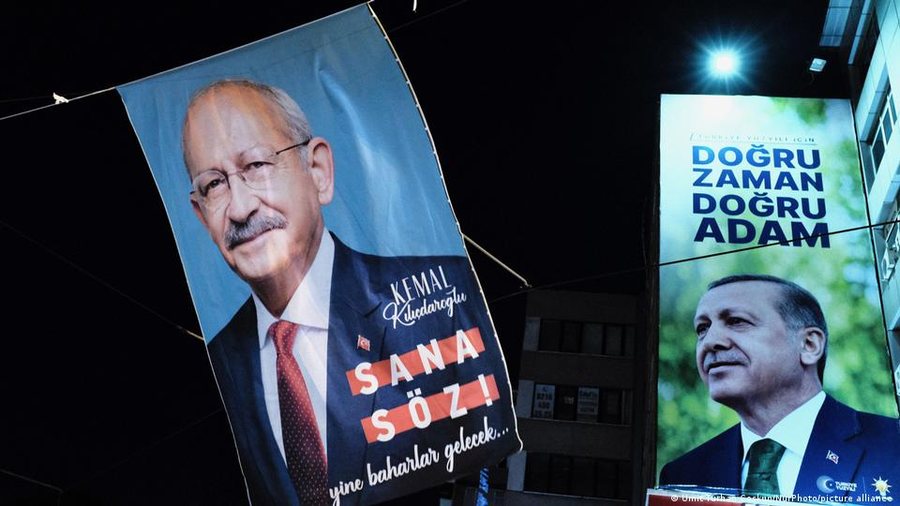
Kılıçdaroğlu's adherence to a Cold War-era foreign policy framework would tie Turkey more closely to the Western security system. While this may offer certain benefits in terms of alliances formed, it risks limiting Turkey's autonomy and strategic maneuverability...
In the field of geopolitics, Turkey finds itself at a critical point, facing two distinct paths. On the one hand, there is President Erdogan, who adopts a semi-Western approach, seeking cooperation with multiple spheres of interest. On the other hand, there is Kılıçdaroğlu, whose foreign policy reflects Turkey's Cold War era, positioning the country as an appendage of the Western security system.
From the West's perspective, both options have geopolitical advantages, although on the surface it may appear that the bias lies with Erdogan's rival. However, Erdogan, aided by Davutoglu, has effectively brought a new strategic mindset to Turkey, revolutionizing its future. This legacy, even if the government were to change hands, would be difficult to reject. Future leaders will realize that they can reform it, but changing it to suit their preferences would be an almost impossible task.
This lasting legacy can be compared to the influence that Bismarck had in Germany. Bismarck's policies strengthened the strategic mindset of the German people to such an extent that even two world wars and subsequent defeats failed to dampen their national spirit or stop their continued development.
Sinan Ogan's choice to support Erdogan stems from their shared vision of geopolitics in the Caucasus region. The concept of strategic depth, as articulated by Davutoglu, remains a powerful force. While Erdogan and Davutoglu may currently occupy separate political camps, their contributions have indelibly shaped what we now know as Turkey's geopolitics.
Turkey's strategic positioning has important implications for regional dynamics. Erdogan's penchant for cooperation with different spheres of influence offers Turkey the opportunity to leverage its geographic location and historical ties to foster stronger relations. This multi-pronged approach allows Turkey to navigate complex regional challenges while protecting its own interests.
Otherwise, Kılıçdaroğlu's adherence to a Cold War-era foreign policy framework would tie Turkey more closely to the Western security system. While this may offer certain benefits in terms of established alliances, it risks limiting Turkey's autonomy and strategic maneuverability. The geopolitical landscape has evolved significantly since the Cold War, requiring a nuanced approach that accounts for emerging powers and regional dynamics.
Turkey's geopolitical choices have far-reaching consequences, not only for the nation itself, but also for the wider international community. As the country finds itself at this crossroads, it must carefully weigh the potential advantages and disadvantages of each path. Balancing its historical legacy, regional aspirations and global ambitions will be crucial in charting a course that best serves Turkey's interests, ensuring its continued growth and influence on the world stage.
In conclusion, Turkey's current geopolitical landscape is shaped by the contrasting visions of Erdogan and Kılıçdaroğlu. While both options have strategic advantages, Erdogan's transformative legacy and multilateral approach to cooperation offer Turkey greater flexibility. As the Turkish nation navigates this critical juncture, the decisions made will not only shape its destiny, but also affect the dynamics of an ever-evolving global order.
*The author is a doctor of international relations and history of diplomacy



Lini një Përgjigje