


 Shkruar nga Pamfleti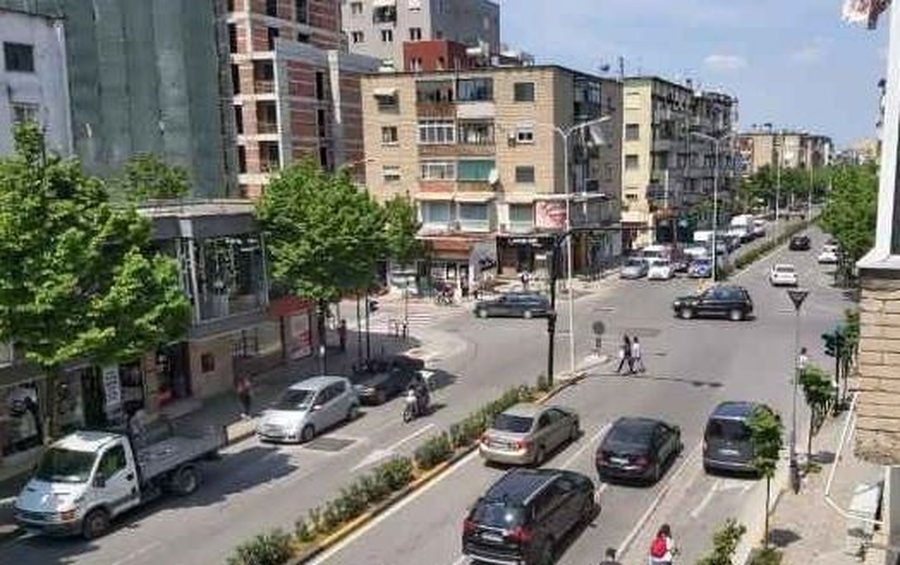
Two of the most dangerous areas for the population at that time were Bardhyl Street and the former Durrësi restaurant.
In these neighborhoods, the first and strongest groups of Tirana were identified that were in rivalry between them.
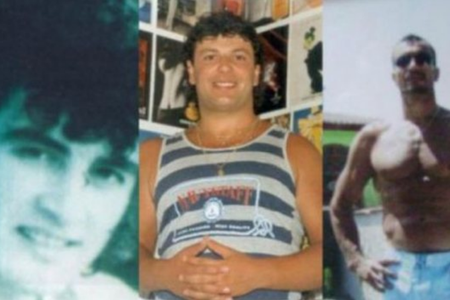
The groups were headed by Gaz Muça from Bardhyl Street and Naim Zyberi from the former Durres restaurant.
"There were two phenomena of two neighborhoods, which in their neighborhoods were the first, of course, that the roosters of the neighborhoods would collide and the collision was fatal," said Shkëlqim Hajdari, former prosecutor.
"I had seen Gazmend Muça himself riding a horse and walking on the streets, between Bardhyl Street and Hospital Street. Together with my peers, we used to say who is this beautiful, handsome Simatic boy who walked like a Serb and how he made a blind eye", said the journalist, Roland Qafoku.
According to the testimonies of those who lived through the developments of that transition period, Tirana in the early years did not have real gangs, but groups of "strong" people with authority within their neighborhoods. Some so-called first "gangsters" of democracy began to gather around themselves problematic boys to create their own groups. These social formations were more intended to show their "manhood", their strength, than to deal with traffic or sophisticated crimes.
"I still say today that Gaz Muca could not be a bandit for Albania at that time. After 20 years, he could become a gang, but this is a guess. Tirana operated with the strong of the neighborhood and every neighborhood had its strong and Gaz Muça was the strongest of the strong", said the journalist, Roland Qafoku.
"They couldn't be called criminal organizations at that time, they were just groups until the 90s, they were called for vagabond acts, and then they started to be groups with criminal activities in cooperation, and then they became structured groups, and after the 2000s, these can be called real organizations criminal", said the professor of criminology, Ervin Karamuço.







Lini një Përgjigje