


 Shkruar nga Pamfleti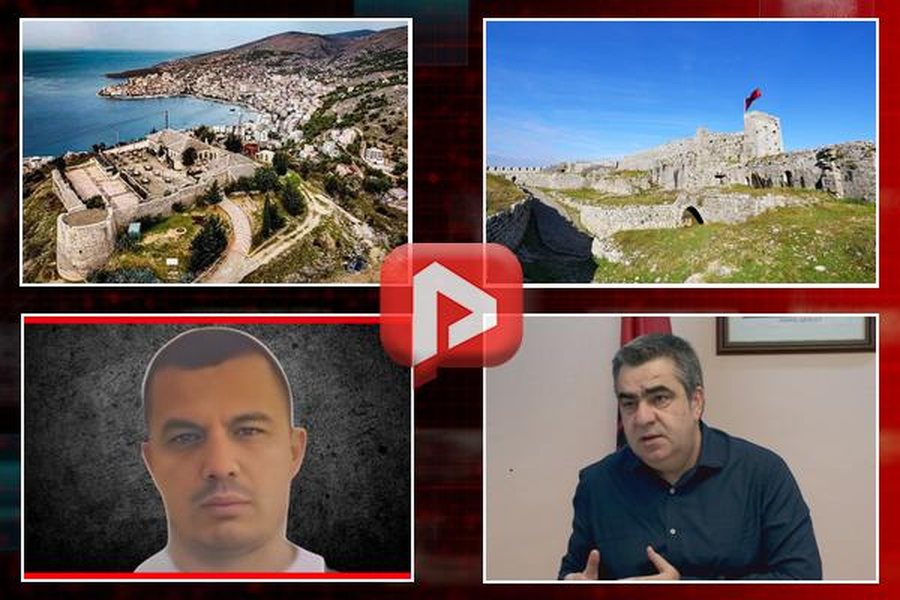
Cultural heritage ends up in the hands of crime...
A recent decision by the Ministry of Economy, Culture and Innovation has paved the way for the 20-year lease of two symbolic objects of national heritage: Rozafa Castle in Shkodër and Lëkurës Castle in Saranda.
In the name of what the ministry calls "cultural rejuvenation", procedures have been announced that give private entities the right to use significant areas within these monuments declared national treasures.
In the Lëkurës Castle, which stands on the ruins of a 16th-century Byzantine church, 862 m² of commercial space is planned for use, while in the Rozafa Castle in Shkodër, in the third courtyard, another service area of 196.2 m² will pass into private hands for two decades. The tender criteria require extensive documentation from operators, including business plans and financial guarantees, but critics see this as a new form of disguised concessions for public spaces.
The Forum for the Protection of Cultural Heritage has reacted sharply, calling this process "another joke" by Minister Gonxhe. " The Lëkurës Castle has been transformed into a series of restaurants, pizzerias and cafes, removing any cultural value. The contract with the private sector has ended and the object should have been returned to the public, not recycled to the private sector with another form of concession camouflaged as 'renovation '," their statement reads.
They accuse that instead of these spaces functioning as heritage centers, they are being used as gastronomic spots filled with commercial advertisements and loud music. “ Mr. Gonxhe forgets that he has a legal and moral responsibility to protect our cultural heritage, not to promote pizza menus ,” the reaction continues.
Traffickers at the castle gate
More worrying is the fact that part of the territory around the Lëkurës Castle is now controlled by the notorious drug trafficker Andrea Çaushi, who has taken over 3,200 m² of public land around it, through a suspicious transaction of 1.5 million euros. This territory, which includes a bar-cafe, restaurant, hotel, parking lot and privatized beach, is being used for profitable purposes, while citizens who wish to visit the castle are forced to pay an entrance fee of 5 thousand lek, even if they do not use any of the services.
So practically it has been privatized by him and most likely he will be the first to hand over the papers to Gonxhe and take full legal administration. So it seems that the cultural heritage is heading towards extinction.
For the heritage forum, the government's plan clearly shows the state's failure to protect its historical assets. " This is the dismantling of historical identity in the name of private profit and the seizure of public property by individuals with criminal pasts. The state is retreating from its obligations, handing over the history and heritage of the nation into the hands of dubious private individuals ," the reaction said.
The Lëkurës Castle was built in 1537 by the Ottoman emperor, Sultan Suleiman the Magnificent. The castle, with its appearance, remains a major attraction, offering some of the most beautiful panoramas such as: the Gulf of Saranda, the Ionian Sea, and Corfu visible on the horizon. Visitors from the hill can enjoy a magnificent view of the valley and the mountain range on the other side, as well as Lake Butrint. The castle has a square shape, with two round towers. Its walls, built of limestone, are approximately 2 meters thick and reach up to 7 meters in height. At the entrance gate, 20th-century artillery is exhibited, adding to this castle's historical significance. The Lëkurës Castle is located among the ruins of the old village of Lëkurës, on a high pyramid-shaped hill. / Pamphlet




Lini një Përgjigje