


 Shkruar nga Pamfleti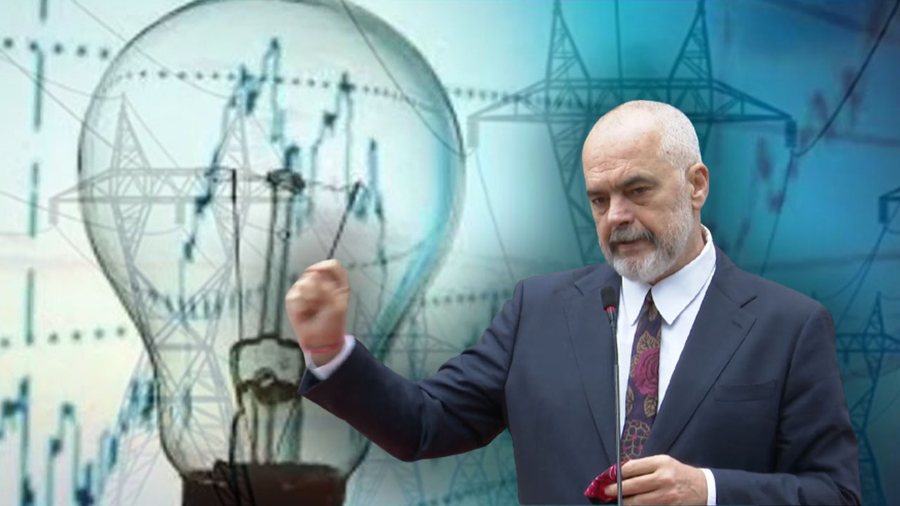
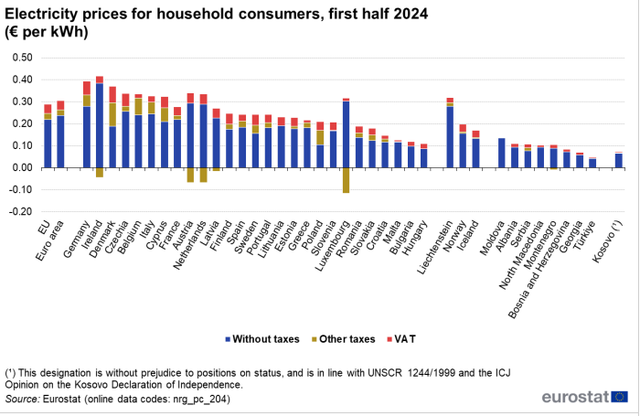
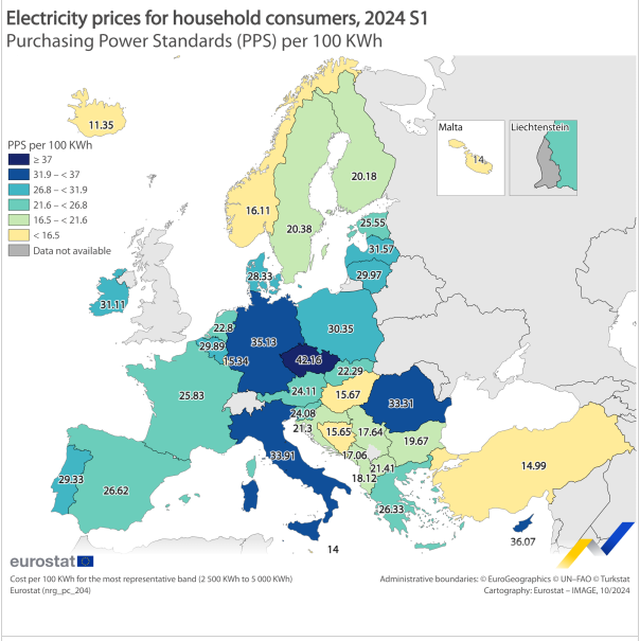
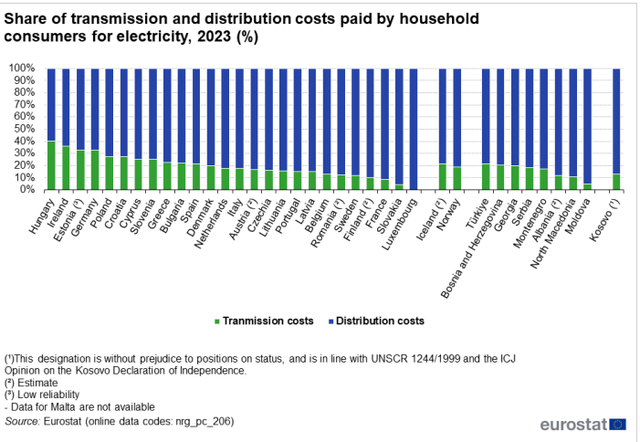
If we refer to the Eurostat graphs, Albania is almost at the same level as Bulgaria and Hungary, as far as the price of energy is concerned, while compared to the countries of the Region, the prices are higher than in Bosnia, Kosovo, Serbia, it is almost the same quota as Montenegro, but prices are higher than Turkey and Georgia.
The Energy Regulatory Body and then the Government are selling the reduction of the price of energy by 1 lek as the biggest success of 34 years.
Consumers pay ALL 9.5 per KWH without including 20% VAT, while in total, including the tax, 1 KWH of energy in Albania for a family consumer is ALL 11.4. With the decrease of 1 lek per KWH, the price of energy now goes to 10.4 lek.
The decision comes 4 months before the elections and looks like a candy offered to Albanians by the Government, similar to the forgiveness of fines.
The government claims that about 1 million Albanians, who do not consume more than 700 KWH per month, will benefit from this measure, i.e. the reduction of 1 lek, as otherwise they will not benefit from the price reduction. The government claims that the saving is 100 euros per year, although independent experts from the calculations consider the amount of savings to be no more than 28 euros.
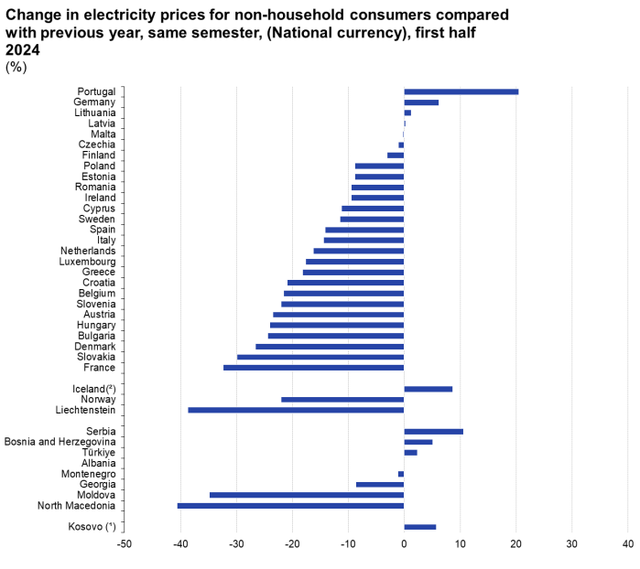
Non-family consumers, i.e. businesses, do not benefit from this entire operation of the Government, even though in many European countries, including those of the EU, there has been a price reduction for non-family consumers of energy.

But what happens to the price of energy in Europe, including the countries of the Region?
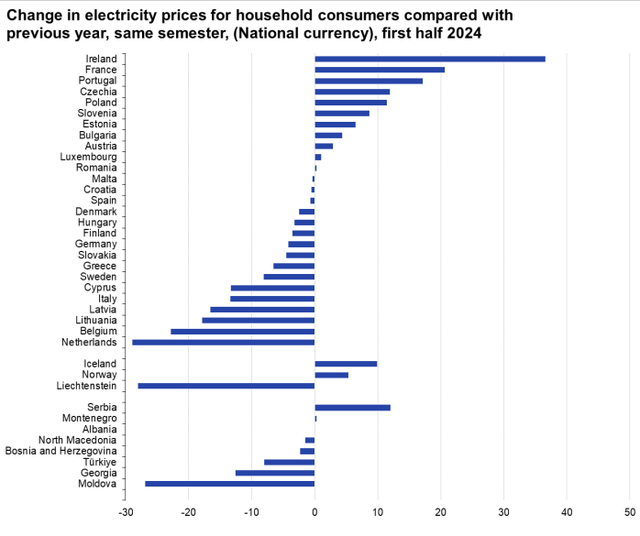
Referring to the official analysis of Eurostat, throughout 2024 electricity prices for household consumers increased in 10 and decreased in 15 EU countries, compared to 2023. The biggest decrease was recorded in the Netherlands, where the price decreased by 29% , while the biggest increase was in Ireland with 37%.
Throughout 2024, Luxembourg, Austria and the Netherlands provided the most subsidies to household consumers, while electricity prices for non-household consumers in the EU fell by -13% compared to 2023.
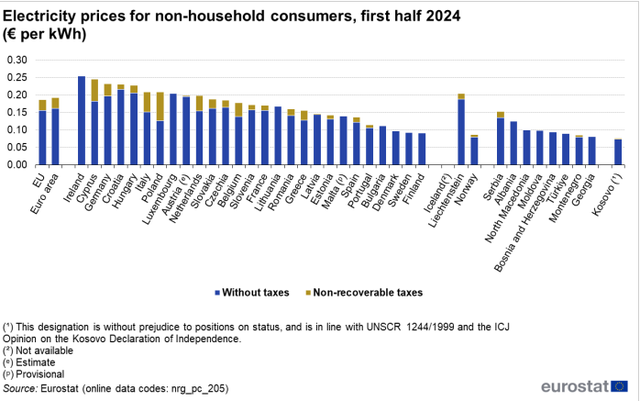
Non-household electricity prices in the EU were highest in Ireland (€0.256 per KWH) and lowest in Finland (€0.0939 per KWH).

If we refer to the Eurostat graphs, Albania is almost at the same level as Bulgaria and Hungary, as far as the price of energy is concerned, while compared to the countries of the Region, the prices are higher than in Bosnia, Kosovo, Serbia, it is almost the same quota as Montenegro, but prices are higher than Turkey and Georgia.
What is noticed from Eurostat's analysis is the fact that in Albania the price of electricity does not move, so regardless of what happens in the international market, decreases or increases, there is no impact here.

Thus, out of 35 countries where we have energy price movements (14 with an increase and 21 with a decrease), Albania remains static, at least until the moment when the introduction trumpeted by the Government comes into force.

If it was a decision determined by market conditions, of course such a decision could have been taken in the second 6 months of 2024, as many of the EU countries and abroad did. Therefore, a decision-making on the eve of the elections, looks more like an electoral decision, especially since it is followed by another decision of Bosnia for pensioners in the spring. /Pamphlet/




Lini një Përgjigje