


 Shkruar nga Pamfleti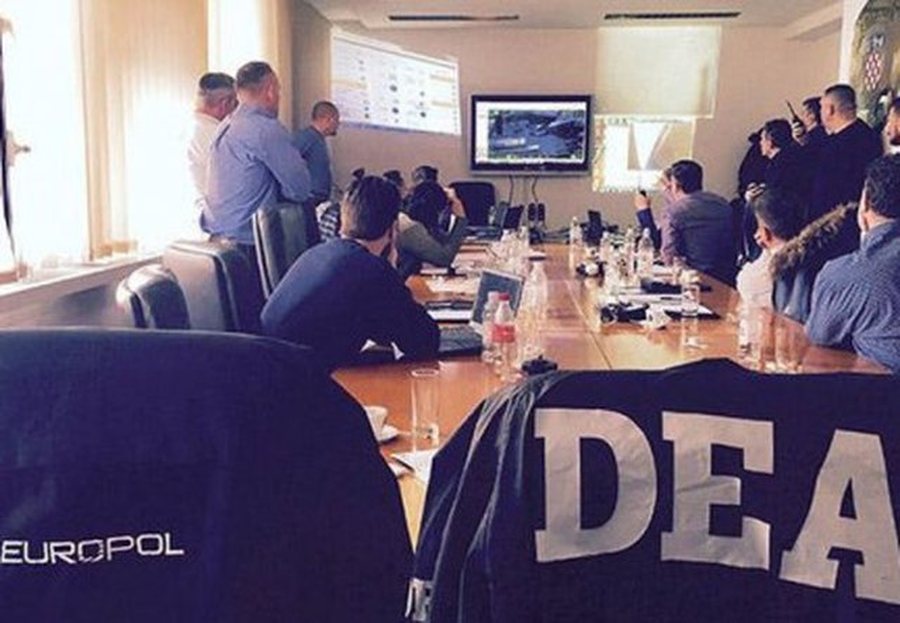
The American DEA has pointed it out in time, and has been among the first law enforcement agencies, that has come to the conclusion that the real bosses of the Albanian cocaine narco-trafficking are located neither in Latin America nor in Europe, but in the palaces of power. in Tirana...
A few weeks ago, when a group of SPAK prosecutors visited Washington and the US DEA, major developments were expected. Which have just begun, and in the coming days even more sensational events are expected.
As it is learned, it is expected that there will be a massive operation to confiscate criminal assets that have been translated into palaces and towers in Tirana.
But all this momentum that has just started, has not matured yet. The American DEA has pointed it out in time, and has been among the first law enforcement agencies, that has come to the conclusion that the real bosses of the Albanian cocaine narco-trafficking are located neither in Latin America nor in Europe, but in the palaces of power. in Tirana.
The sudden entry of Albanian groups in the years 2012-2013 in the operations of wholesale purchase of cocaine from the hands of Latin American cartels was a new fact, quite interesting for any policeman who had been following the criminal activities of Albanian groups in the West for a long time. From the USA and Canada and all over Europe.
Gong fell with the "Krasniqi" group of New York, when the FBI of that state came to the conclusion that the Albanian gangs were taking over the old infrastructure of the Cosa Nostra mafia families in the City, but also other areas of USA.
As is known, the investigations into the "Krasniqi" gang, which was looking at a new alliance between Albanians from Albania, Kosovo and Troje, i.e. a union that was not observed in politics, led to an important door.
These investigations reach Tirana. A commissioner of the "Krasniqi" group, the now famous Almir Rrapaj managed to become the adviser of the Deputy Prime Minister of Albania, namely the Minister of Foreign Affairs Ilir Meta.
Rrapaj was not a gangster from the fringes of New York selling hashish and heroin in the ghettos of that contingent of heavy drug addicts. He was an educated man whose mother was also a translator, and who occasionally worked for the US State Department.
Pse i duhet një grupi kriminal të ketë lidhje aq të larta, ishte pyetja e dedektivëve dhe analistëve të FBI-së? Zakonisht, grupet kriminale krijojnë lidhje me struktura policore, madje i kanë ata në bordero, ndërkohë që paguajnë edhe prokurorë e gjykatës. Hyjnë shpesh edhe në fushata zgjedhore, duke financuar deputetë për mbrojtje e lobim, por nuk hyjnë lart në qeveri. Përvoja botërore e narkotrafikut ka treguar se kur ndodh kjo, atëherë jemi para fenomenit të karteleve latinoamerikane. Ku nuk bëhet fjalë më për grupe, por për një mafie massive. Pasi paratë që do të duhet të korruptojnë politikanët duhet të jenë shumë, e që të jenë kaq, atëherë edhe fitimet e një biznesi me shumë rrezik duhet të jenë marramendëse.
Rasti e solli që njëkohësisht me ndjekjen dhe përpunimin e Almir Rrapajt, FBI mori të dhëna nga policia zvicerane se papritur grupet shqiptare që ishin prej vitesh në terren si shpërndarës të heroinës, po hidheshin tek droga e “luksit” kokaina. Madje në disa lande zvicerane, policitë kishin ardhur në përfundimin se teknologjia dhe infrastruktura e grupeve shqiptare ishte perfeksionuar. Ata nuk shisnin më në parqe, apo në vende të njohura si grumbullime narkomanësh, por kishin krijuar një rrjet perfekt shpërndarjeje nëpërmjet telefonit. E klientela e tyre nuk ishte më ajo masë e të varurish terminalë, por një klientelë e pasur që konsiderohej elitë. Interesant u quajt fakti se shpërndarja funksiononte si e picave, ku rolin e motorristëve e luanin narkomanët e varur prej heroinës, e që këtë punë e kryenin thuajse falas. Shqiptarët kishin hyrë në biznesin e madh të kokainës.
Policia italiane, kishte që në fillimin e viteve 2000 që raportonte se në grupet e mafieve më të rëndësishme të vendit: Camorra e Napolit por edhe N’dragheta e tmerrshme, ishin rekrutuar mjaft shqiptarë. Por kjo konsiderohej fenomen normal, pasi gjithmonë mafiet për të transportuar mallin lidhen vetëm me “nënkontraktorë” që i përkasin nacionaliteteve të tjera, e sidomos vendi ku bëhet nisja apo transportimi i kokainës.
Nga hetimet, kryesisht në Zvicër, Gjermani, Britaninë e Madhe, por më pas edhe në Spanjë me një shpejtësi rrufe, u zbulua se grupet shqiptare po shisnin kokainë të prokuruar, blerë, por edhe të sjellë nga vetë ata.
E kështu lindi pyetja: si ka mundësi që grupet shqiptare hynë kaq fort në tregun e një malli që kushton 5-10 herë më shumë se heroina?
Si ka mundësi që shqiptarët, ishin aq të rëndësishëm sa të prokurornin vetë kokainën në vendet e Amerikës Latine?
Dhe si një stuhi që sa vinte e rritej, numri i shqiptarëve të rinj që hynin në biznesin e shpërndarjes së kokainës në Europë mori një vrull të paparë.
Në kohën e karteleve të mëdhenj kolumbiane, kokaina shpërndahej nga franchize të tyre. Karteli i Escobarit e kryente me grupe terroriste në Europë, si baskët, palestinezët ose italianët e Casa Nostra-s; kurse Karteli i Kalit, që kishte edhe pseudonimin KGB e bënte me një nënkontraktor me fuqi planetare; mafia ruse!
The Serbs also benefited from this, as they immediately became distributors of Kali's cocaine in the late 90s.
After the fall of the Horse Cartel, the Serbs had enough connections to be born in the territory, but as always as subcontractors of the Russians, who were nothing more than branches of the secret services such as the GRU and diversions of the FSB.
What about the Albanians?
The suspicions of the Americans were not reconciled until the Almir Rrapo case was reached. From the analysis of this case, of course with the acceptance to become a witness of justice, the initial indications were given that the big money to enter the global wholesale cocaine market came from Tirana. Respectively from the money of corruption, as well as the large accumulated bag of hashish narco-trafficking of Lazarat, which was calculated annually with an annual turnover of several billion euros. Almost in line with the Albanian state budget.
Shortly after Rrapo's arrest, Ilir Meta also paid a "visit" to the American DEA headquarters. Which was not talked about at all.
Subsequently, the entire operation came under the surveillance of the DEA and other European agencies. Who in 2016, managed to catch no less than 12 Albanian cocaine barons in Europe, seized tons of cocaine, along with several million euros.
At this time, the first Albanian murder in Ecuador took place - Ilir Hidri.
Ecuador is the country of the cocaine exchange in Latin America, where more than half of the shipments to Europe depart.
From Tirana, at that time, a news came out, where the prosecution, (then headed by Adritik Llalla), asked the Ministry of the Interior if there was information that Hidri was a DEA informant. This development seems to have spilled the beans, and then all the operations were carried out with the proven belief that the Albanian drug traffic of cocaine is based in Tirana. That's where the funding comes in and most of the profit is deposited, but not all. This was then clearly seen in the capture of all Albanian groups, which were simply franchises of the big bosses, who turned out to be also the bosses of power, politics and business in the country. But this part is another matter that will be dealt with in the future./ Pamphlet



Lini një Përgjigje