


 Shkruar nga Diplomatico | Pamfleti.net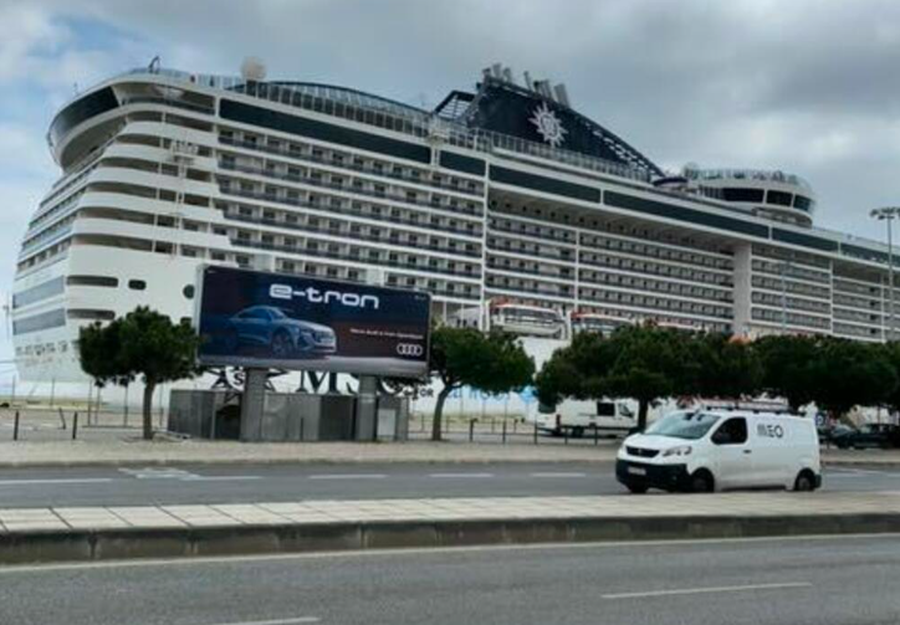
"Cocaine in the embassy?": Messages that shake Serbian diplomacy in Lisbon
Diplomatic scandal or texting game: Suspicions of cocaine at the Serbian Embassy in Lisbon
A shocking report by the Montenegrin media has opened a new chapter of tension in the region: in intercepted messages from a criminal group, it is mentioned that cocaine arriving at the port of Lisbon was hidden in a location described as the "Serbian embassy."
These are communications from 2020, secured by the encrypted Sky ECC application, which are part of an investigation by the Special Prosecution of Montenegro into a suspected international drug trafficking network.
These messages, according to the report, mention the use of a "safe location" linked to the Serbian diplomatic mission in Lisbon.
But what is fact and what remains a matter of doubt?
The published communications mention well-known names from the political and criminal scene in Montenegro, including Milo Božović, former mayor of Budva and former MP, as well as Ivan Mijatović.
According to the published transcripts, a quantity of cocaine taken from a cargo ship in the port of Lisbon was temporarily moved to a location called an “embassy” to avoid controls. However, the official indictment of the Special Prosecutor’s Office only mentions a “secure location,” without clearly identifying it as a diplomatic mission.
This detail is crucial: so far, there has been no official confirmation from Portuguese or Serbian authorities that the diplomatic mission was actually used for criminal activities.
Diplomatic dimension: Immunity and the risk of instrumentalization
If such a scenario were to occur, the implications would be grave. According to the Vienna Convention on Diplomatic Relations, embassy premises enjoy inviolability. This means that local authorities cannot intervene without the consent of the country concerned.
But it is precisely this immunity that makes any suspicion even more delicate. If a criminal group were to attempt to exploit a diplomatic mission without its knowledge, we are dealing with a dangerous precedent that undermines the architecture of international security.
On the other hand, if there were involvement or negligence from within diplomatic structures, this would turn into a genuine international crisis between Belgrade, Podgorica, and Lisbon.
Official silence and political calculation
As of the time of publication of the reports, Serbian institutions have not provided a detailed public response. Diplomatic silence in such cases is often a strategy: a hasty reaction can legitimize an accusation that has not yet been proven.
But in the Balkans, where politics, organized crime, and diplomacy have often shared blurred boundaries, public perception is as important as legal facts.
What is known for sure?
· The investigation is related to a suspected criminal network in Montenegro.
· The intercepted messages mention an “embassy” as a storage location.
· The official indictment does not directly identify the embassy.
· There is no confirmation from Portuguese or Serbian authorities of institutional involvement.
So, we currently have an accusation based on intercepted communications, not a judicially proven fact.
Between potential scandal and the war of narratives
In Montenegro's polarized political climate and the ongoing tensions between Podgorica and Belgrade, the publication of this material is not simply a criminal matter. It also has a propaganda dimension.
The Balkans is a terrain where the struggle for influence between regional actors and external powers takes place not only on the diplomatic terrain, but also through media scandals.
In the absence of clear evidence, this story remains in the gray area between criminal investigation and political conflict.
In diplomacy, perception is power. But in justice, evidence is foundation. And so far, this issue has vacillated between the two./ Pamphlet







Lini një Përgjigje