


 Shkruar nga Andrea Valentino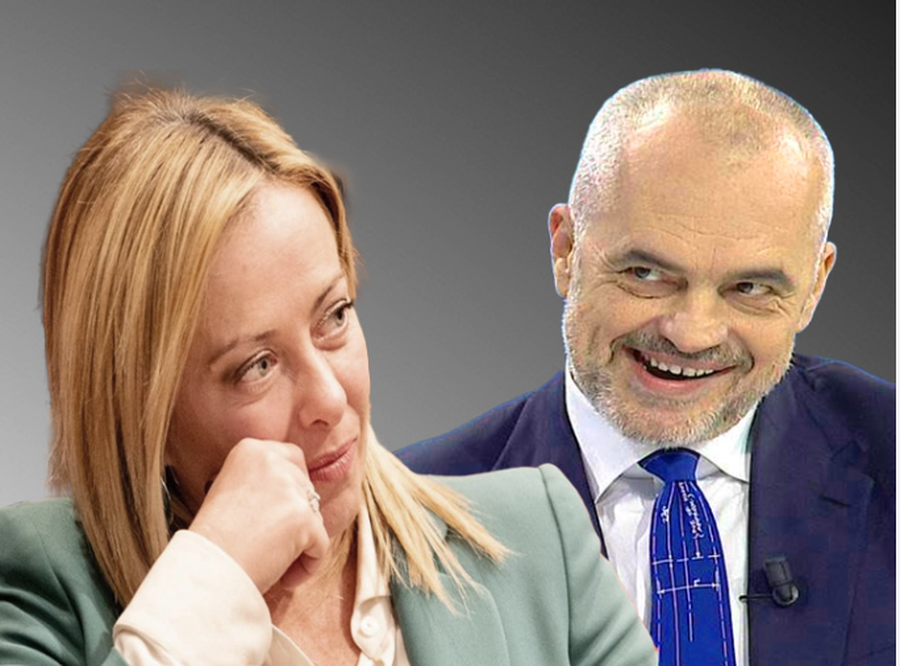
It may sound cruel to say but Meloni's latest deal with Albania, which will resettle some asylum seekers across the Adriatic, will likely do more to stem the flow of illegal immigrants than any changes to Article 94. .
At first glance, the Italian Constitution looks like a cruel text: a pile of jargon and practices incomprehensible to ordinary people. But the power it possesses should not be underestimated. Because La Costituzione, dictates the way of governance of the Apennine peninsula.
And if it is rewritten the way his prime minister wants it, then it could change his future forever. In November last year, Giorgia Meloni announced plans to reform Article 92, making the President of the Council of Ministers, otherwise known as the prime minister, directly elected by the people.
Combined with changes that give the winning party an automatic majority in parliament, Meloni claims her reforms will finally put an end to her country's political chaos, which has seen the rise and fall of dozens of governments since 1945.
Given her political journey and unpleasant memories of previous constitutional reforms - along with the usual cynicism of politicians - opposition figures have scoffed at her proposals. But if her reforms remain vague and fail to become law, both her supporters and critics risk missing the point.
From years of no pay rises to illegal immigration to unstable government leaders, Italy's struggles run far deeper than any Constitution can hope to resolve. So they require real action, not theoretical revolutions.
As in many countries in modern Europe, Italy's Constitution is a 'child' of 1945. That summer, as the defeated Wehrmacht moved north, a mix of anti-fascist politicians began debating their country's political future .
The following year, they met in the Constituent Assembly, tasked with drafting a new constitution. Reflecting their ideological diversity and perhaps the presence of foreign troops on Italian soil, members were influenced by a variety of foreign models. On the Christian Democrat right, Egidio Tosato wanted to copy the model of France with its strong government.
Interested in building a strong judiciary, others took the US Supreme Court as an example. Given his party's heritage, Palmiro Togliatti's Communists drew inspiration from the Soviet Union. Even today, the first line of the Italian Constitution describes it as "a Democratic Republic founded on work".
Por nëse nuk binin dakord se çfarë duhej të ishte Italia e re, ata ia dolën në fund të hartojnë një Kushtetutë që ndahej nga e majta dhe e djathta, të gjithë në Asamblenë Kushtetuese ranë dakord mbi shmangien e gabimeve të së shkuarës, sidomos gjatë epokës së fashizmit.
Kështu, dy dhomat e parlamentit janë të barabarta. Sipas nenit 92, kryeministri emërohet nga presidenti, sikurse vetë presidenti zgjidhet nga parlamenti. Gjykata Kushtetuese është e plotfuqishme kur e interpreton Kushtetutën, por mund të veprojë vetëm kur i jepet autoriteti përkatës.
Sistemi zgjedhor e kufizoi pushtetin ekzekutiv. Bazuar në përfaqësimin proporcional, në fuqi deri në vitin 1993, ai e rriti fuqinë negociuese të partive më të vogla. Por siç e nënkupton zhdukja e sistemit zgjedhor, ngërçi kushtetues nuk u zgjidh asnjëherë.
Gjithsesi, politikanët kanë provuar të ndërhyjnë në të, me nivele të ndryshme suksesi. Ndërsa një referendum i vitit 2020 reduktoi numrin e deputetëve, përpjekja e Matteo Renzi-t në vitin 2016 për të kufizuar kompetencat e senatorëve u refuzua nga gati 60 për qind e votuesve.
A mund të ketë sukses Meloni aty ku dështuan të tjerët? Nëse dëgjon kundërshtarët, reformat e saj duken sikur po e kthejnë Italinë në kohëra më të errëta. “Ne do të përdorim çdo mjet dialektik të disponueshëm në parlament për të kundërshtuar një projekt që e konsiderojmë të rrezikshëm”- deklaroi së fundmi Elly Schlein, drejtuese e Partisë Demokratike të qendrës së majtë, duke e sulmuar planin e Melonit si një “shtrembërim” të Kushtetutës dhe republikës.
Gjithsesi propozimet e Melonit trajtojnë çështje të vërteta. Duke pasur parasysh paqëndrueshmërinë e politikës italiane - me 70 qeveri që nga koha e Luftës së Dytë Botërore - forcimi i ekzekutivit duket një veprim i arsyeshëm. Dhe nëse kjo i jep besim një reforme të Melonit, ku partia fituese (ose aleanca) merr automatikisht 55 për qind të vendeve në parlament, edhe rekomandimet e tjera duken në pamje të parë të arsyeshme.
Aftësia e presidentit për të zgjedhur kryeministrin, në qendër të nenit 92, ka sjellë herë pas here në krye kryeministra teknokratë të pazgjedhur me votë. Kjo është ajo që ndodhi në vitin 2021, kur presidenti Mattarella thirri ekonomistin dhe bankierin Mario Draghi për të formuar një qeveri të emergjencës.
Mattarella ka bërë edhe ndërhyrje të tjera: në vitin 2018, refuzoi të pranonte Paolo Savonën si Ministër të Financave, për shkak të deklaratave të këtij të fundit kundër euros. Në masën që e forcon lidhjen midis kryeministrit dhe publikut, rishkrimi i nenit 92 nga Meloni duket si tejet demokratik.
However, there are reasons to be skeptical. And the skepticism starts from Meloni himself. In the end, she may have softened her policy and properly aligned herself with Ukraine. But as a former student of the neo-fascist Italian Social Movement, and maintaining some ambiguity about Mussolini's regime, some Italians are concerned about Meloni's enthusiasm for strong government, especially given the grim historical precedents.
Because under Meloni's plans, the winner is not required to have a minimum vote threshold, coalitions securing around 25 percent of the vote could still get 55 percent of the seats in parliament. And while directly elected prime ministers should theoretically come from winning coalitions, nothing would stop Italians from splitting the vote between several parties.
Even if these concerns are alleviated, there is no guarantee that Mellon's reforms will ever become law. As Renzi discovered in 2016, dull constitutional debates can easily take a backseat to voters' more pressing concerns, whether about unemployment or immigration.
Italy clearly has many problems: weak GDP growth; decline in the birth rate; a high number of illegal immigrants. But it is unclear that any of these challenges would be immediately resolved by directly elected prime ministers.
It may sound cruel to say but Meloni's latest deal with Albania, which will resettle some asylum seekers across the Adriatic, is likely to do more to stem the flow of illegal immigrants than any changes to Article 94.
So before starting efforts on its new constitution, Meloni should think about how he can improve Italy's situation in the real world. If you rush, you will risk losing the job you love so much./ Adapted Pamphlet from "Unherd"





Lini një Përgjigje