


 Shkruar nga Pamfleti
The political clash between Pristina and Belgrade is increasing security risks in the Balkans as relations between Kosovo and Serbia are deteriorating...
Serbian nationalists are making a comeback in northern Kosovo amid growing discontent with leaders in Pristina and Belgrade, which could derail diplomatic talks and raise security risks in the Western Balkans.
Tensions flared after disputed elections in April, when ethnic Albanians won the mayor's office in the Serb-majority part of Kosovo. Violence has abated, but resentment has only continued to grow, and an agreement to normalize relations between the conflicted neighbors is proving unlikely.
After violent clashes in May, when NATO peacekeepers and protesters were injured as locals tried to prevent ethnic Albanians from taking office, the military alliance sent reinforcements and police fortified municipal buildings.
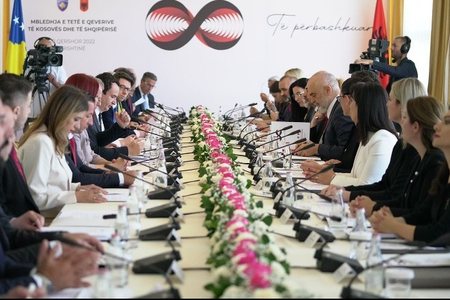
The President of Serbia, Aleksandar Vucic, and the Prime Minister of Kosovo, Albin Kurti, have continued the dialogue for the normalization of relations between the two countries without achieving any progress.
But Serbs in Kosovo increasingly see Vučić and the main Belgrade-backed Lista Serb political party as incapable of protecting their interests.
The Serb list was created a decade ago as part of an earlier stabilization agreement, which guaranteed that Serbs would receive a certain level of autonomy and in return participate in Kosovo's institutions. Support for the Serbian List has already fallen to 8 percent last year, from 10 percent in 2021.
There are no polls to measure support for alternatives to the Serbian List. But more challengers have emerged, especially on the nationalist side.
A younger politician also named Marko Jaksic said that if Lista Serbe decides to participate in the elections, "they will now be the opposition." He is in the process of forming a party called Veriu, which espouses more nationalist views than Lista Serbe.
" I am shocked by Serbia's silence and lukewarm reaction. Kurti's forces will arrest us, picking us like rabbits if we stop resisting ," he said.
Meanwhile, as relations with Belgrade fell apart, Kosovo banned Serbian vehicles and goods from entering the country last month. Pharmacies and shops have been emptied while smuggling has intensified on the border with Serbia.
Kosovo authorities arrested several people they said were organizers of the protest violence and even accused some of preparing for terrorist attacks. Serbia also arrested three Kosovo policemen it said crossed into Serbian territory fully armed and released them after heavy international pressure.
Even a basketball team has been caught up in the political conflict, after being banned from tournaments until Serbian schools are reintegrated into the Kosovo school system. They set up pickets and organized protest games outside the town hall buildings, guarded by NATO troops.
Bill Clinton, who was US president when a NATO bombing campaign in Belgrade ended the war, said Serb hardliners were paralyzing progress in the region.
" It's bad for short-term democracy and the daily lives of real people there. And it's keeping countries not only in a deadlock, but frustrating them all the time and making them take self-destructive acts," Clinton said./ Adapted "Pamphlet" from "Finacial Times"





Lini një Përgjigje