


 Shkruar nga Pamfleti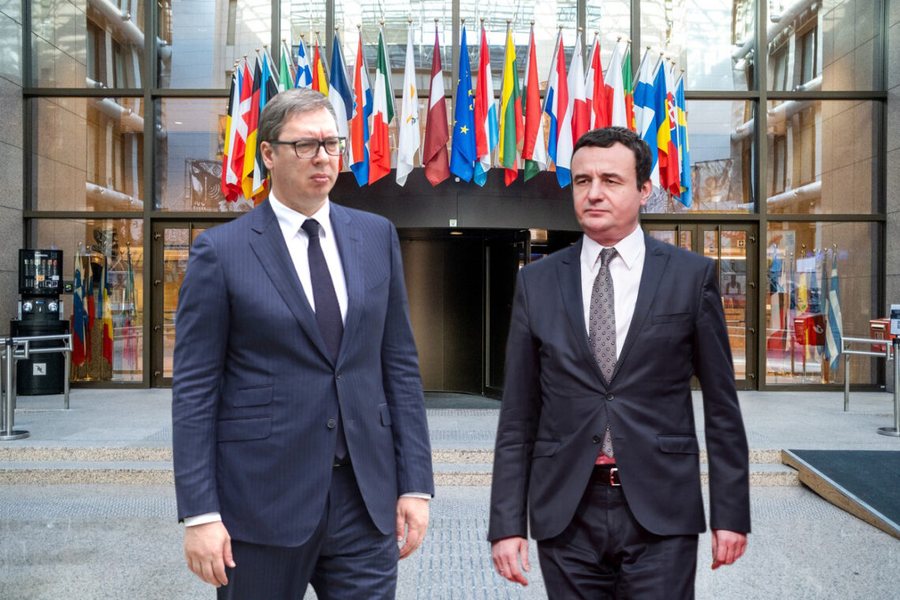
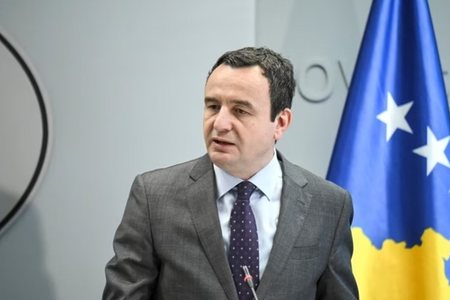
Kurti loses the support of the Westerners even though the fear of the Kosovo government is not so baseless. German-speaking media about the latest developments in Kosovo.
The newspaper "Frankfurter Allgemeine Zeitung" in its analysis titled "Kosovo out of the game" writes about the long history of the confrontation that the Prime Minister of Kosovo, Albin Kurti has with the Western allies, and states that it is actually a stubbornness that damages Kosovo. probably for a long time. "Kurti has gradually lost the support of the USA and the EU for Kosovo. Not Serbia, but Kosovo is seen in Brussels and Washington as a job breaker in the Balkans. And this, although Belgrade has not changed its obstructive stance, with which it has always prevented the solution of the Kosovo conflict", analyzes Reinhard Veser in the German newspaper.
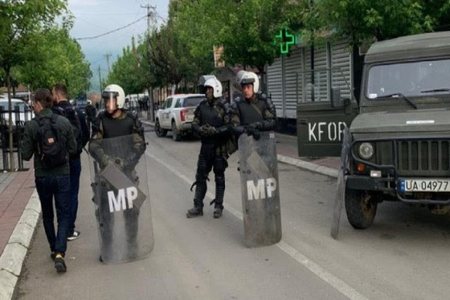
While the newspaper "Neue Zürcher Zeitung" in an article with the title "EU imposes sanctions against Kosovo", it is written that Brussels is tightening the screw for Kosovo, which remains steadfast in its strong position. "Brussels and Washington are angry that Kurti follows his agenda in the conflict for the north of Kosovo... Western crisis managers know very well that the risk of escalation increases every day. With their measures, they want to put Kurti under great pressure to organize elections in the north and present the proposal for the establishment of the partially autonomous Association. But Kurti is known for not shying away from confrontation. But he cannot stay long without doing anything to the demands coming from Washington and Brussels - Prishtina is in the long term both economically and diplomatically dependent on the West."
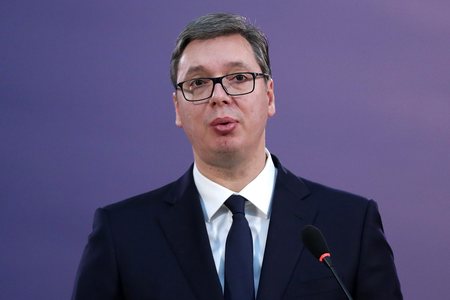
While in an analysis of the historian for Southeast Europe, Oliver Jens Schmitt on the German radio, Deutschlandfunk Kultur, it is emphasized why the Kosovar side does not accept the Association of Serbian Municipalities. "The Kosovar government is afraid, and not without reason, that a kind of parallel Serbian state would be created here in the territory of the Kosovar state, which is commanded by Belgrade, and it is indeed the case that large parts of the politics of the Kosovo Serbs are now directly commanded from Belgrade... Vučić, one of the main protagonists of a Russian policy and a Chinese policy in the region, through the increase of tensions in Kosovo is now strengthened by the West, instead of supporting the democratic forces in Serbia."
Meanwhile, the "euroactiv" platform pays attention to the statement of the Slovenian president, Nataša Pirc Musar, for more dialogue between Pristina and Belgrade. "Dialogue is the only way to solve difficult situations. Of course, this should be done by both sides, and Kosovo should do its part of the task", said Nataša Pirc Musar, who announced that she will visit Kosovo in October of this year. /DW


Lini një Përgjigje