


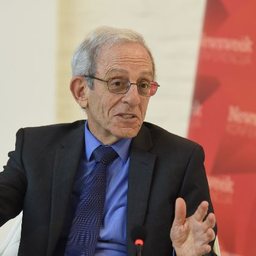
 Shkruar nga Daniel Serwer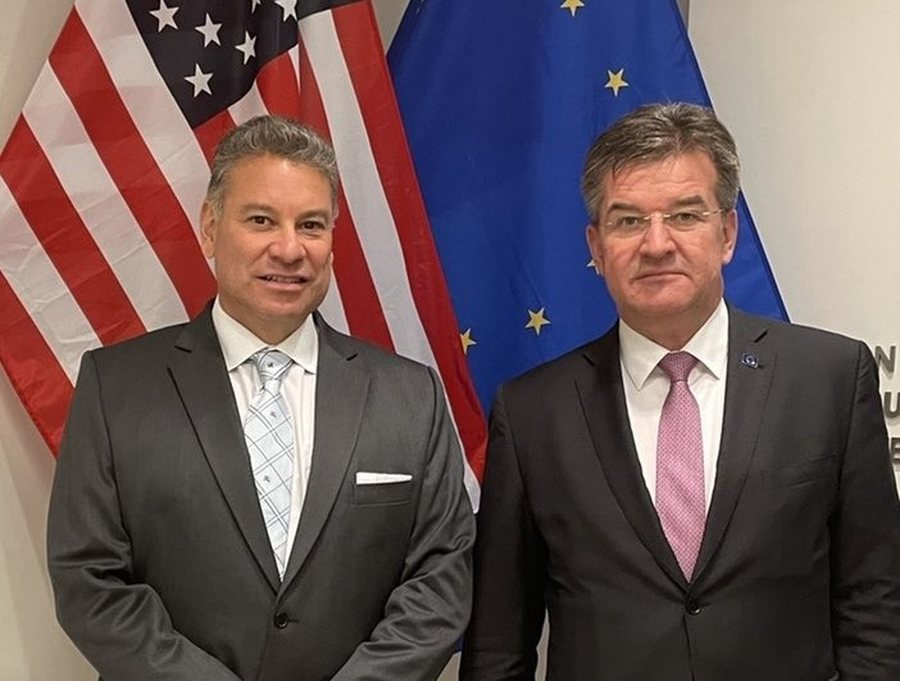
Escobar and Lajcak started the Kosovo-Serbia mediation badly and ended it even worse.
State Department Deputy Assistant Secretary Gabriel Escobar and EU Special Representative Miroslav Lajcak, both with mandates for the Western Balkans for the past three years, are saying their goodbyes in Washington this week. It is about two experienced diplomats who know the Balkans well. They have cooperated without much friction. The biggest obvious issue has been American support for the "Open Balkans," a trade facilitation scheme. The Europeans rightly saw it as unnecessary and duplicating their efforts in what is known as the "Berlin process".
But Lajcak and Escobar failed to produce political normalization between Kosovo and Serbia, which they made their top priority.
What went wrong?
Escobar and Lajcak started the Kosovo-Serbia mediation badly and ended it even worse. They promised Belgrade that they will prioritize the creation of the Association of Municipalities with a Serbian majority within Kosovo. They ended up making no significant progress on that misplaced priority.
Prishtina was committed to the Association in a 2013 Brussels agreement. But Escobar and Lajcak neglected to give Belgrade the quad pro quo. In addition to the Association, the Brussels agreement recognizes the validity of Kosovo's constitution and justice system throughout its territory, commits Serbs to participate in Pristina's governing institutions, and pledges that Kosovo and Serbia will advance in the EU without hindering each other.
Belgrade has rejected all these commitments. It has maintained de facto governance over the Serb population in the majority Serb communities in northern Kosovo. Organized the boycott of municipal elections there. Belgrade also recalled Serbian officials from the police and courts. And Serbia has done everything possible to prevent Kosovo from joining the Council of Europe.
Putting Belgrade in an offensive position
Frustrated with the failure of the EU and the US to deliver on the Association, Serbia last year decided to make matters worse. It kidnapped two Kosovo policemen from Kosovo territory, hired a mob to attack NATO peacekeepers inside Kosovo, and organized a terrorist attack that was supposed to provide justification for a Serbian military intervention.
Towards the end of last year, Serbian President Vucic was expressing hope for changes in geopolitical conditions, including Trump's re-election, that would allow Serbia to reclaim part or all of Kosovo. The newly inaugurated Serbian government includes vocal supporters of the Russian invasion of Ukraine and the leading advocate of the "Serbian world," a euphemism for Greater Serbia.
Western policy towards Serbia needs a new approach
It is clear that the Western policy towards Serbia is not working. Washington and Brussels are not doing much better with Kosovo. Prishtina has refused to move towards the Association, despite the costly European "consequences" and harsh American denunciations. Only if Belgrade implements other provisions of the 2013 Brussels agreement will Pristina respond in kind. Vucic is not able to do that.
Success requires a reset. The political dialogue that the 2013 agreement began has apparently failed for more than a decade. The more technical dialogue that preceded it was much more successful. He focused on issues that could produce tangible benefits for the citizens of both countries. Despite the sloppy implementation, the results were substantial. Even today, Prishtina and Belgrade have done better with practical issues like license plates and identity documents than with political normalization.
This is the right direction for the future. Political normalization is a bridge too far for now. Serbia will not be interested in surrendering its claims to sovereignty in Kosovo until the war in Ukraine ends Russian annexations there. Kosovo will not be interested in the formation of the Association until it is confident that Serbia accepts its sovereignty and territorial integrity. But both Belgrade and Pristina may welcome easing movement across their mutual borders and enabling more legal trade.
Prishtina has rightly begun to insist on the use of its official currency, the euro, in transactions within Kosovo. But this is creating problems for Serbian communities, which receive subsidies from Belgrade in Serbian dinars. This is the kind of practical issue that the EU and the US should focus on. Belgrade and Pristina should agree on transparency about Serbia's subsidies to Serbian communities inside Kosovo, which would help resolve the currency issue. This is the practical direction in which the prospects for success lie. Saying goodbye to failure requires getting the right priorities./ Adapted "Pamphlet" from "Peacefare"




Lini një Përgjigje