


 Shkruar nga Pamfleti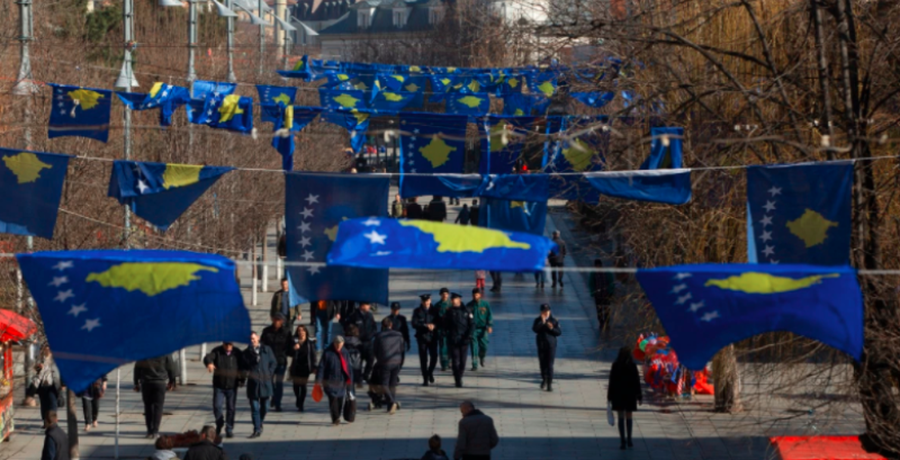
The census of the population in Kosovo started last Friday (April 5), which will last until May 17 in the entire territory of the Republic of Kosovo.
This will be the first population census since 2011 and for the first time it will also include the Serbian community in the north of Kosovo.
Meanwhile, Lista Serbe said on Friday that Kosovo Serbs will not participate in the population census in Kosovo, reports the Swiss Albanian-language newspaper Le Canton27.ch.
KAS said that data is recommended to be obtained from each adult member, over 16 years of age, if the persons are present during the interview. In other cases, a member of the household may provide the data. According to the Law on population, household and housing registration, any person can be fined from 30 to 2,000 euros if they refuse to provide the information requested by the registrar. While for businesses up to 20,000 euros.
The last population census process in 2011 did not take place in the four municipalities in the north of Kosovo inhabited by a majority of Serbs, because it was boycotted by the local Serbs. The boycott is also expected in this census year, which has already begun, since the largest party of the Serb minority in Kosovo, Lista Srpska, has called on the Serbs to boycott the population census process organized by the institutions of Kosovo.
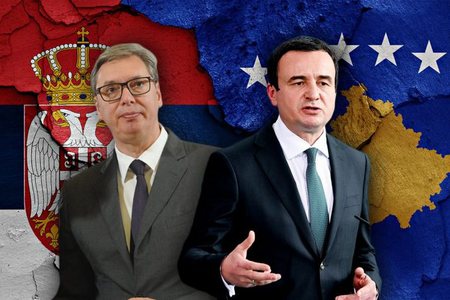
The Prime Minister of Kosovo, Albin Kurti, said a few days ago that "the authorities of Kosovo are preparing for Serbia to be accused as the state responsible for the crimes committed during the war in Kosovo, which are war crimes, crimes against humanity and genocide".
"During the registration process, citizens will be able to declare economic damages, destroyed properties as well as damages to people, family members killed, missing, injured or imprisoned. This period is defined from February 28, 1998 to June 12, 1999", said Albin Kurti during a meeting with mayors of Kosovo's municipalities.
In Serbia, despite the pressure, the squads known as ethnic cleansing, the Albanians from 1981 to today have tripled their number in the Presheva Valley. Here are the facts:
- The census of 1981 Presheva had 31,098 Albanians or Lugina over 50,000 inhabitants
-The census of 1991 Lugina had 78,971 Albanians.
- Census of 2002: Presheva 35,000 or Lugina with over 85,000 inhabitants (Bujanoci 43,000 and Medvegja with 7,400 inhabitants
- The 2022 census: Lugian has more than 100,000 Albanians (Presheva with 59,024, Bujanoc with 54,529 and Medvej with 8,505)





Lini një Përgjigje