


 Shkruar nga Pamfleti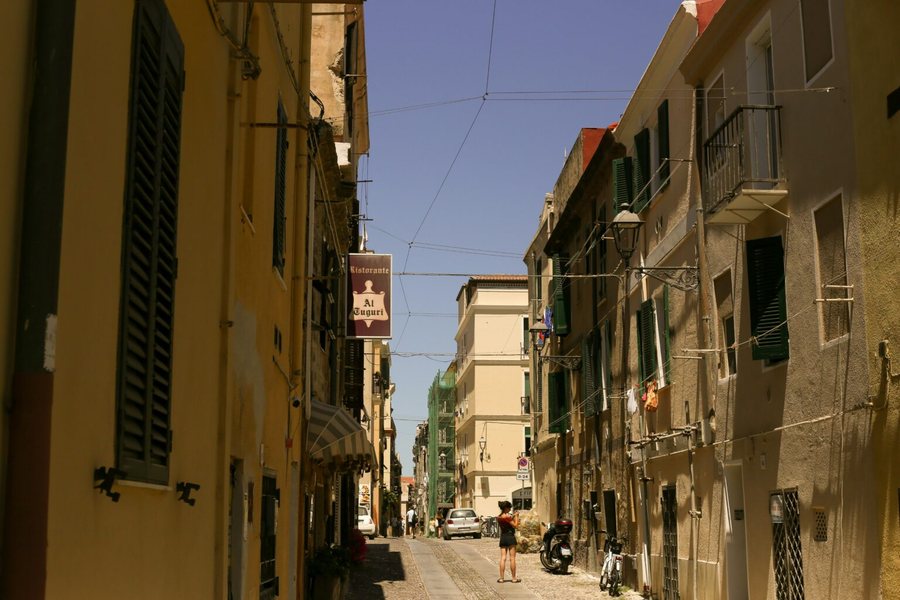
Lecce and its wider area are known for their Greek-speaking villages and for the local dialect "Katoitaliki" or "Graikaniki", which is a descendant of the Greek language.
The Grecìa Salentina Association was created in the area, with the aim, among other things, of preserving and spreading this particular dialect. In addition to Puglia, Greek-speaking villages are also found in Calabria, in the Bovesia region, preserving their linguistic and cultural elements there too. We must not forget that Southern Italy in antiquity was part of the Greek world, known as Magna Graecia.
According to legend, the first Greek inhabitants of Italy were Cretans. When the king of Crete, Idomeneus, was returning home after the Trojan War, he encountered a storm and was in danger of being lost. To save himself and his crew, he promised the god Poseidon that he would sacrifice the first person he met upon arriving in Crete. However, when he saw his son, he kept his promise and sacrificed him. Unable to remain in his homeland after this, he left Crete and headed for Salento, in southern Italy, where he founded a new kingdom.
Although this story belongs to the realm of myth, it is also mentioned in ancient sources. Herodotus and Strabo mention Greek settlements in southern Italy, with Strabo placing the first Greek arrivals in the region in the 12th century BC.
One of the villages of Puglia with Greek roots is Castrignano de' Greci or "Castle of the Greeks", which is just 26 kilometers from the regional capital, Lecce. Surrounded by Mediterranean nature with olive trees, figs, almonds and vineyards, Castrignano de' Greci is a quiet village that you can get to know in a few hours, although it is worth staying longer to get in touch with the locals. It does not belong to the "postcard" tourist villages of Italy. You will not see crowds of visitors wandering through its narrow streets, on the contrary, its neighborhoods maintain a calm and authentic atmosphere, just like its people.
The village center has a slight medieval atmosphere, with narrow cobblestone streets that transport you to another era. You will encounter old mansions with ornate gates, small cafes and restaurants with local flavors, while around the historic center are more modern residences with green courtyards, which also retain their charm.
Ndërsa ndodheni në Castrignano de' Greci, duke bërë shëtitje të këndshme dhe duke biseduar me vendasit, ia vlen të përfshini në itinerarin tuaj pamjet e pakta, por veçanërisht interesante të fshatit. Në qendër ndodhet kripta e Shën Onufrit, që daton që nga shekulli i 6-të dhe konsiderohet vendi më i vjetër i kultit në zonë. Është një strukturë nëntokësore bizantine, e gdhendur në shkëmb, e cila mori emrin nga eremiti egjiptian Shën Onufri. Në sheshin aktual, direkt sipër, dikur kishte një kishë kushtuar të njëjtit shenjtor.
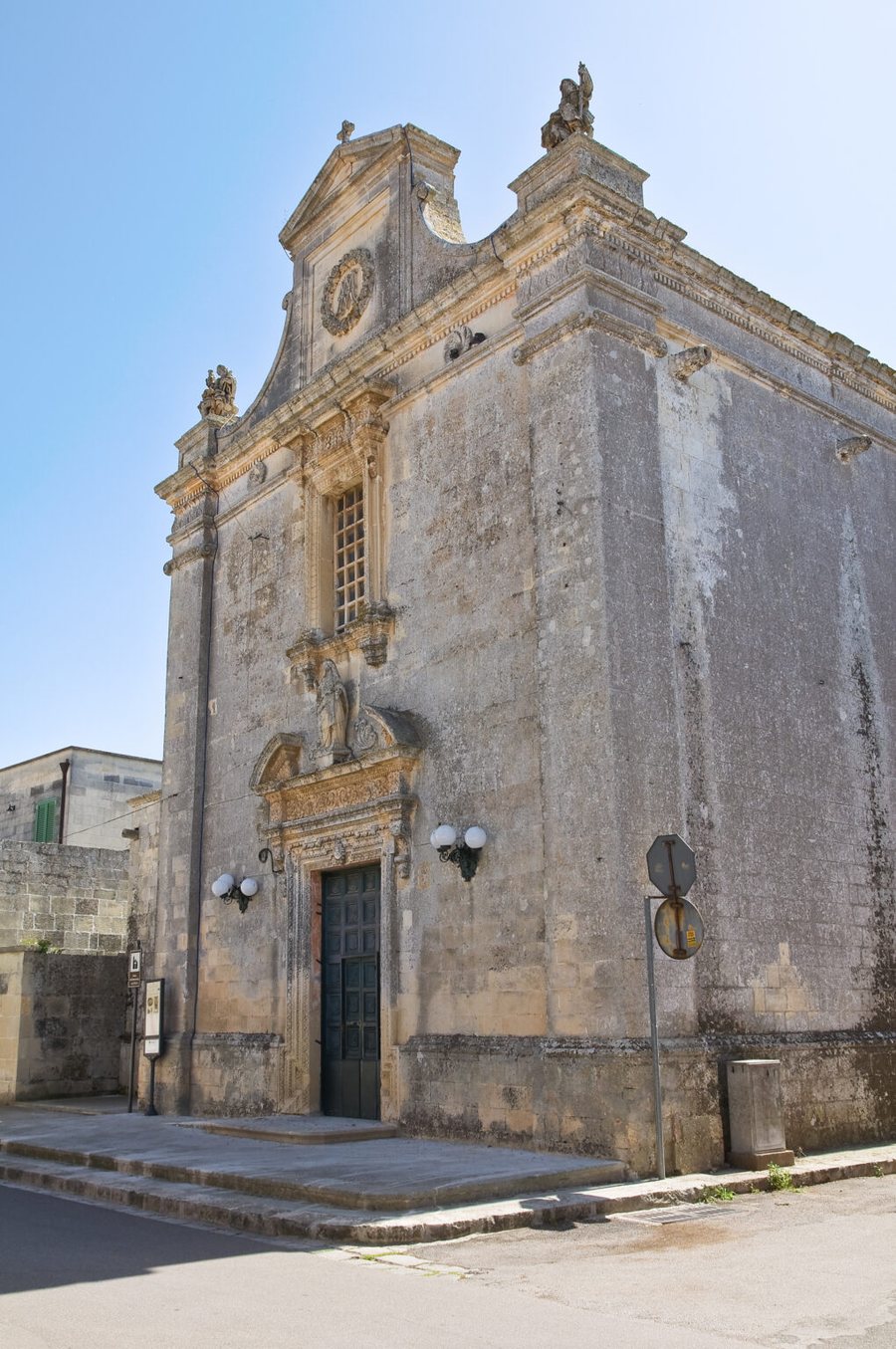
Kripta përbëhet nga dy dhoma. Në të parën dhe më të madhen, tetëmbëdhjetë kolona guri mbështesin kupolën. Këtu ndodhet Altari i Shenjtë, i gdhendur në shkëmb natyror, ndërsa mund të shihen pak gjurmë afreskesh. Pas Altarit të Shenjtë, dy kalime, një në të majtë dhe një në të djathtë, të çojnë në dhomën e dytë, më të vogël, ku ndodhet një vaskë pagëzimi. Në të është gdhendur me shkronja greke data IBYZ (1275) , e cila është dëshmi e rëndësishme e pranisë shekullore të elementit grek në zonë.
Gjithashtu në qendër të fshatit ndodhet Pallati Baronial, Palazzo de Gualtieris . Me shumë mundësi ishte pjesë e një rrjeti më të gjerë strukturash mbrojtëse që ishin zhvilluar që nga koha romake përgjatë rrugëve Sallentina dhe Traiano-Calabra, të cilat lidhnin Otranton me Taranton dhe Brindisin. Forma e tij aktuale është rezultat i shumë rinovimeve, disa prej të cilave ishin relativisht të kohëve të fundit. Deri në mesin e shekullit të 20-të, ajo përdorej si rezidencë private, me pjesë të saj të dedikuara për aktivitete artizanale dhe tregtare. Megjithatë, ndryshimet më vendimtare u bënë në shekullin e 16-të nga Baronët de Gualtieri, të cilët e transformuan fortesën e vjetër në një pallat elegant, duke i dhënë emrin e saj aktual.
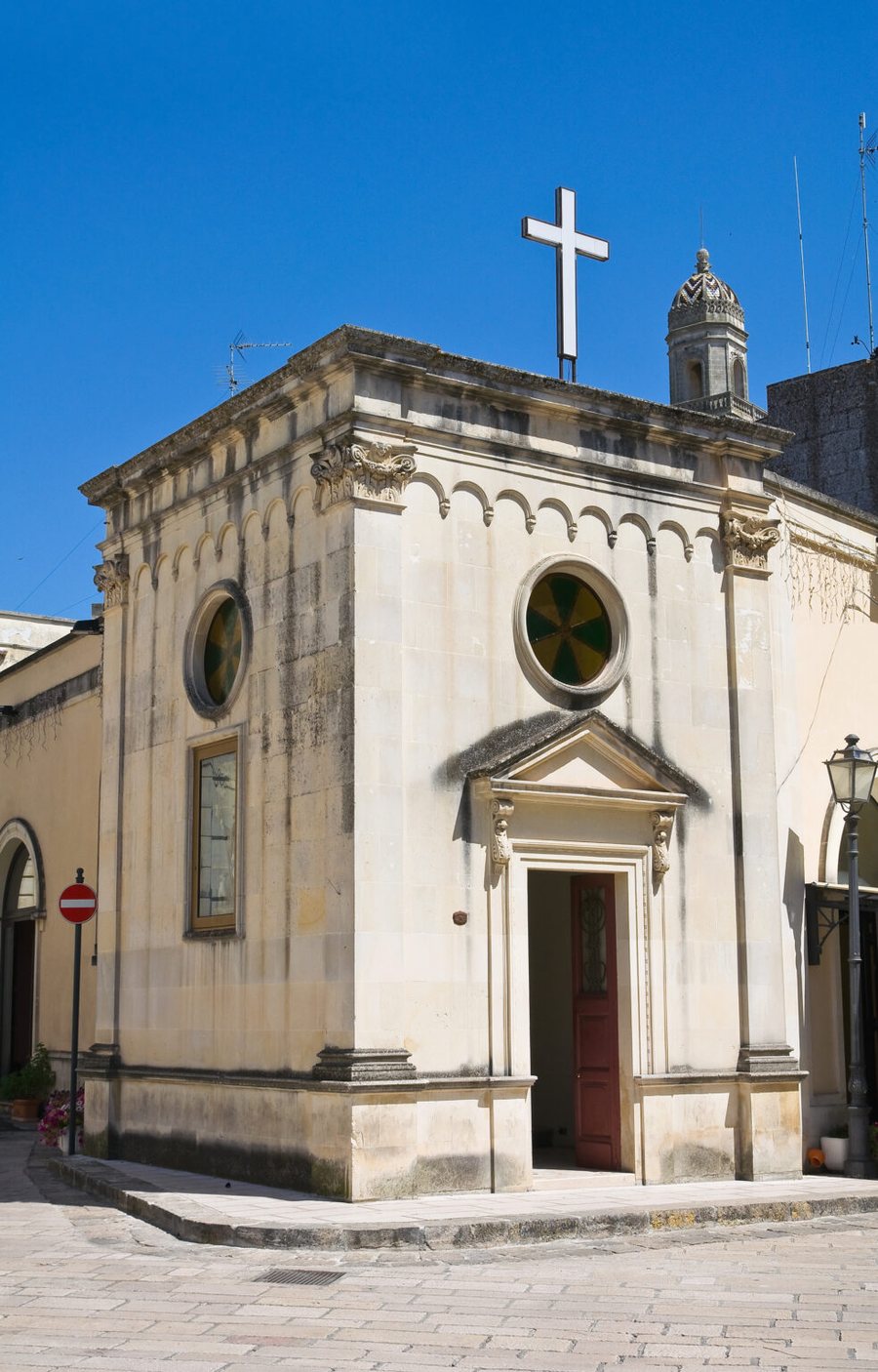
Nga ana arkitekturore, Palazzo ka një planimetri drejtkëndëshe me dy kate të organizuara rreth një atriumi qendror. Përveç banesave të fisnikëve, kishte dhoma ndihmëse si stalla, kazerma, depo dhe një furrë buke. Sipas disa raporteve, njëra prej tyre komunikonte me një kalim nëntokësor që të çonte në kriptën e Shën Onufrit dhe në manastirin aty pranë.
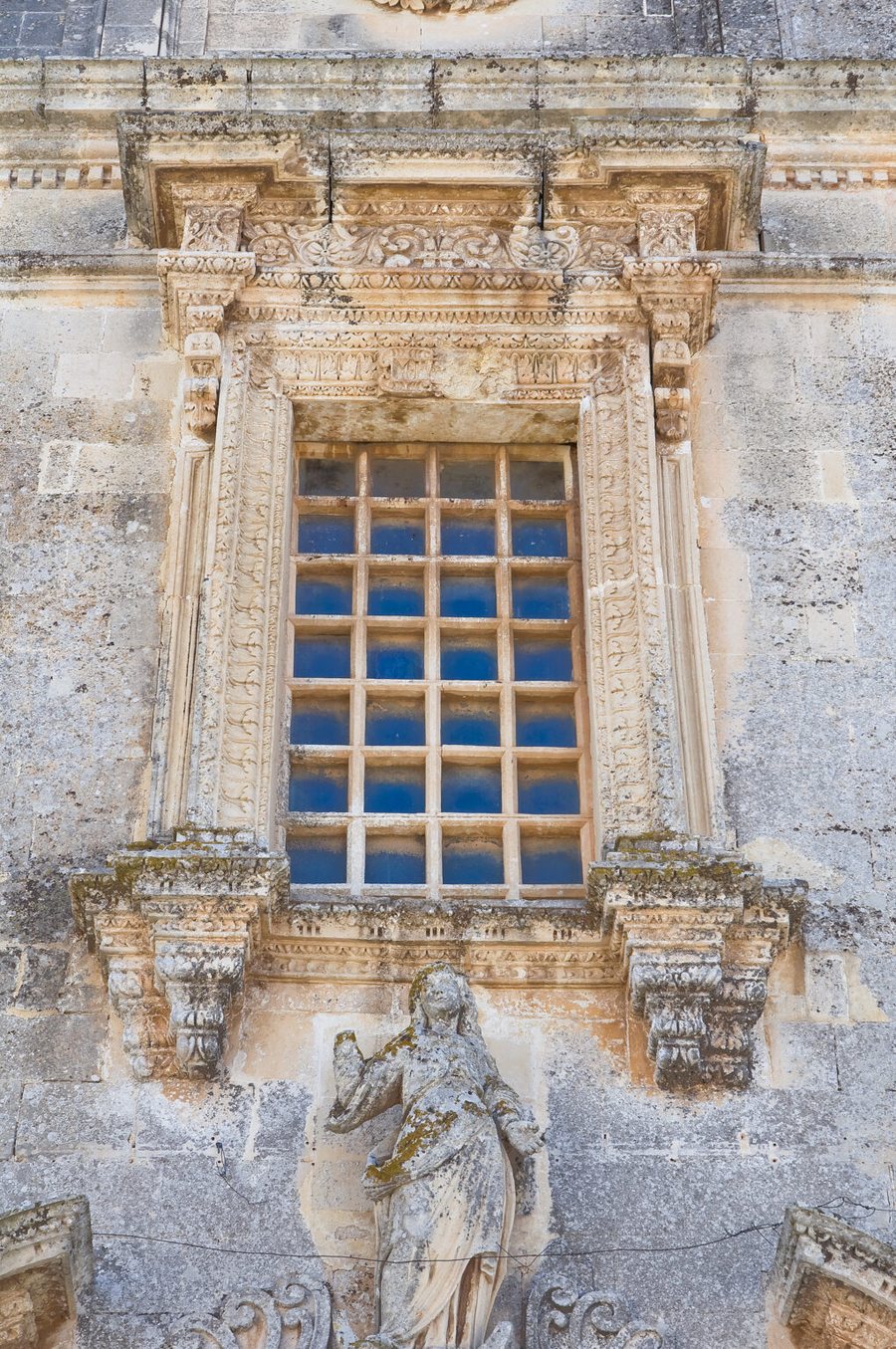
Sot, pallati strehon një Qendër Moderne Prodhimi dhe Kërkimi, e cila pret ekspozita të përhershme dhe të përkohshme, por edhe aktivitete kulturore. Kjo hapësirë shumëfunksionale përfshin gjithashtu një bibliotekë, librari, kafene, kënd lojërash dhe infrastrukturë për konferenca, evente, shfaqje dhe performanca live, duke përbërë kështu një qelizë të gjallë kulture për rajonin.
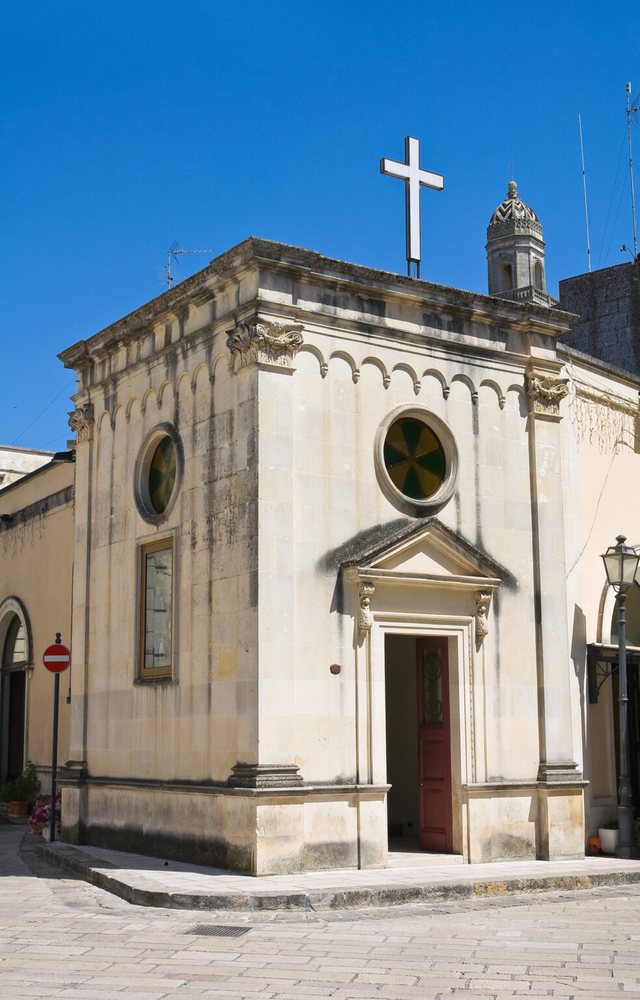
Ia vlen të ndalosh edhe në kishën qendrore të Madre dell'Annunziata, kushtuar Lajmërimit të Virgjëreshës Mari. Ajo u ndërtua midis viteve 1878 dhe 1890 mbi rrënojat e një kishe më të vjetër të shekullit të 16-të.
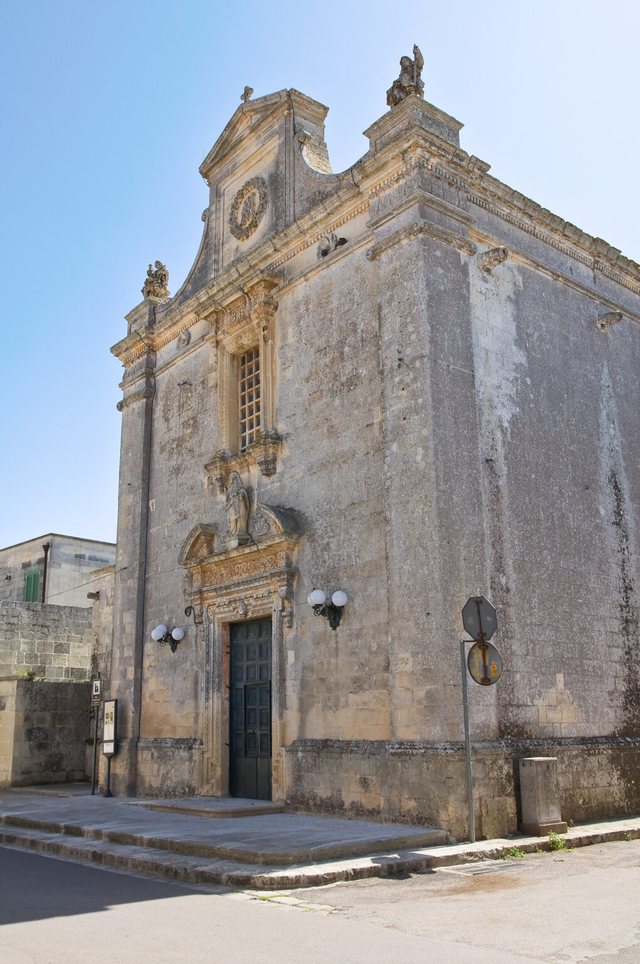
The previous church was built in 1575, had four altars, a Greek hearth and housed the tombs of the town's prominent families. In the second half of the 19th century, it was considered insufficient for the needs of the community and so it was decided to rebuild a larger church, with the foundation stone laid in 1878 and the works completed in 1890. The interior features Baroque details, a carved wooden iconostasis and an imposing musical instrument. Just outside the village, at its entrance, is the smaller but elegant church of Madonna dell'Arcona, dating from 1731 and notable for its elegant façade. /Adapted from Protothema /







Lini një Përgjigje