


 Shkruar nga Pamfleti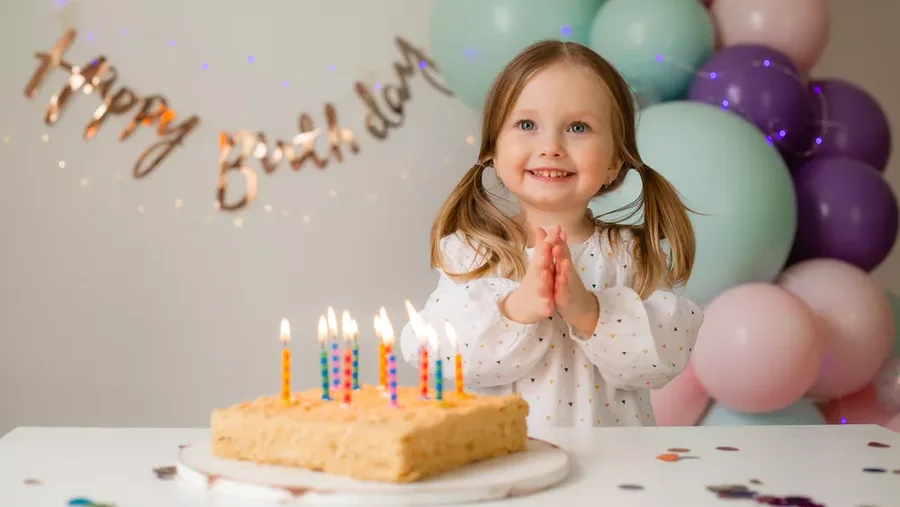
For years, the prevailing view was that the characteristics of our childhood largely shape the course of our later lives. The intelligent child will excel in school, study, and find a good job. The kind and compassionate child will cultivate friendships and create a warm family. In contrast, children who grow up with intense anxiety or worry often have difficulty finding the desired balance in their adult lives.
Although this picture is quite simplified, it seems to hide a grain of truth: in fact, the characteristics of childhood are linked to the development of the individual. But the question remains: why are children so different from each other from the very beginning? Sophie von Stumm, professor of psychology, in an article in Psychology Today , tries to provide the answer.
The role of family and parenting
A popular explanation is that the family shapes personality. The home environment, the presence of siblings, grandparents, or even pets, the parents' values and behaviors, and even their mental health, all contribute to shaping the child.
One of the most crucial factors is parenting: the ways in which parents support their children's physical, cognitive and psycho-emotional development. However, it is not a one-sided process. Parents and children are in constant interaction. A baby who eats quickly and eagerly provokes a different reaction from another who needs encouragement to feed. Even newborns, in other words, "negotiate" the care they receive.
Furthermore, parents carry with them cultural beliefs and stereotypes. One study found that newborn girls are perceived by parents as more fragile than boys, despite reality. Such beliefs guide parents' behavior and, consequently, their children's development.
Are some children just born "lucky"?
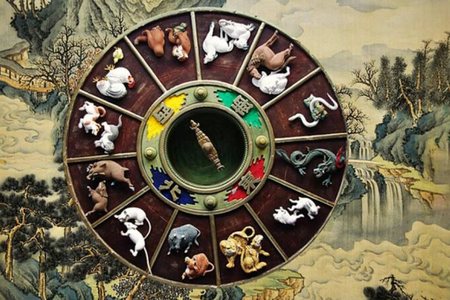
In many societies, the moment of birth is considered crucial. For example, in China, children born in the Year of the Dragon are considered destined for success. Research shows that these children do indeed achieve higher academic performance. Not because they are “magically” gifted, but because their parents invest more resources and expectations in their education. In other words, cultural perceptions become self-fulfilling prophecies.
Similar beliefs are found in the West. In Britain, the 19th-century children's poem "Monday's Child" links the day of birth to the child's character: Monday is beautiful, Tuesday is graceful, Wednesday is sad, Thursday is long-distance travel, Friday is loving, Saturday is hardworking, and Sunday is beautiful, wise, and cheerful.
The recent TV series “Wednesday” brought the poem back into the spotlight. But the question is deeper: can such perceptions actually influence the way children are raised? That is, how likely are parents to raise their children in such a way that the “prophecy” is fulfilled?
To answer this question, Sophie von Stumm and her colleagues studied 2,236 children born in Britain in the 1990s. They followed them from age 5 to 18, examining all the characteristics the poem attributes: attractiveness, physical grace, anxiety or introversion, academic performance, kindness, hard work.
The results showed that the day of birth was not related to personality or abilities. Children born on Wednesday were no sadder than children born on Monday, and children born on Sunday were no smarter than others.
Expert conclusion
In conclusion, as the researcher points out, children's poems and songs have great value for language development, but their "prophecies" have no scientific basis. The day of birth is not our destiny. What determines who we become is a complex combination of biological, family and cultural factors.







Lini një Përgjigje