


 Shkruar nga Phil Harrison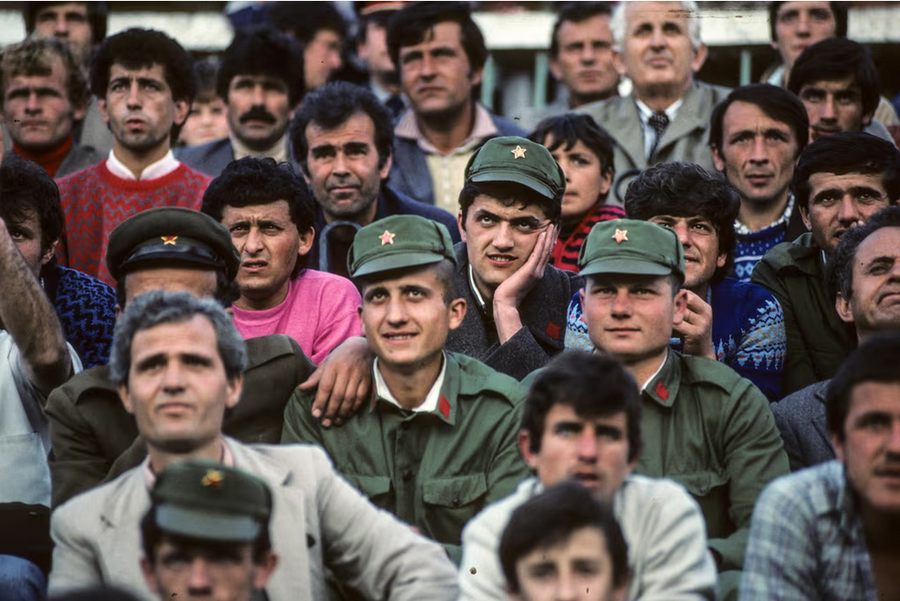
In the moments of ordered chaos, Albanians appeared free from the trials and injustices of their dependent, regime-subscribed lives, transported – through the machines of football and the shared human experience – to a higher realm; a picture of harmony and freedom.
Football in Albania is a national obsession. However, between the late 1960s and the slow, lingering death of Stalinism in 1991, the world's most beloved sport became more than a simple obsession. In a country where the rewriting of the constitution in 1967 denied people freedom of belief, football became the new religion, with pilgrims from Gjirokastra to Shkodër, from Lezha to Saranda, filling the stadiums every Sunday afternoon in worship of their gods. cloud.
In the moments of ordered chaos, Albanians appeared free from the trials and injustices of their dependent, regime-subscribed lives, transported – through the machines of football and the shared human experience – to a higher realm; a picture of harmony and freedom.
For the well-known football fan who lives in Tirana, the preparations for the match day started on Wednesday afternoon.
At 5:00 p.m., Monday through Saturday, Skënderbej Square was engulfed in a wave of human traffic as Albanian workers left the city to work as regime functionaries, taking their short walks - or bike rides - along tree-lined boulevards. In their prefab apartments built by the Soviets on the outskirts of the city.
There were no cars then, except for the blur of black-windowed state hearses ferrying dignitaries to their Party offices, or the unrestrained roar of GAZ-69 trucks on their daily ammunition runs. Buses were few and far between; taxis almost non-existent.
Wednesday, every two months, was pay day. After receiving the reward for the hours invested in performing their small roles in the realization of Enver Hoxha's socialist dream, the workers of Albania - as is the ritual in all societies - would spend.
The avenues for expressing self-satisfaction were limited; a pack of cigarettes, a magazine of choice perhaps, but for ardent sports fans in Albania's largest city, payday was usually preceded by a visit to Gimi's kiosk, just off Skënderbej Square – in the shadow of the Unknown Soldier.
Gimi, a partisan from the days of the revolution, ran an elongated vertical metal kiosk – about the size of a standard telephone booth. Embossed with the words Gazeta Revista - the kiosk sold the national newspaper "Voice of the People" and recreational magazines, but for sports fans it also served as a government-approved ticket for the Albanian Football Federation.
Football became a social release for Albanian men and the stadiums – without exception – were full, with most fans having bought their tickets from Gimi days before. It was common for a supporter to block the purchase of tickets, usually five tickets at a time: three for the buyer plus friends. Free enterprise, albeit on a small scale, was still alive in Stalinist Albania. You just have to make sure you don't get caught.
Tickets were generally available for three sections of the stadium: behind the goal and a field stand, with the remaining stand - a covered area reserved exclusively for the military, police and Party members.
Tribunes with wooden benches occupied by the proletariat were called twenty - 20 - since the tickets cost 20 lek. At twenty, Rows and chair numbers were disregarded, the pre-match scramble for the best seats was a weekly act of alleged anarchy. In the regimented environs of Stalinist Albania, with all its rules and restrictions, no one accepted the next concept.
The only place where seat numbers were observed was in the Tribuna. From twenty, the workers could look at the inhabitants of the Tribune: virtuous, honorable ambassadors of the Party, dressed in their good coats and Italian shoes, protected from the elements by the overhang; the echoing promises of Enver Hoxha's honest, classless society disintegrating in the wind and rain enveloping the stadium.
For those careless enough not to buy pre-match tickets, a mandatory scramble ensued on Sunday via the small hatch at Gim's kiosk.
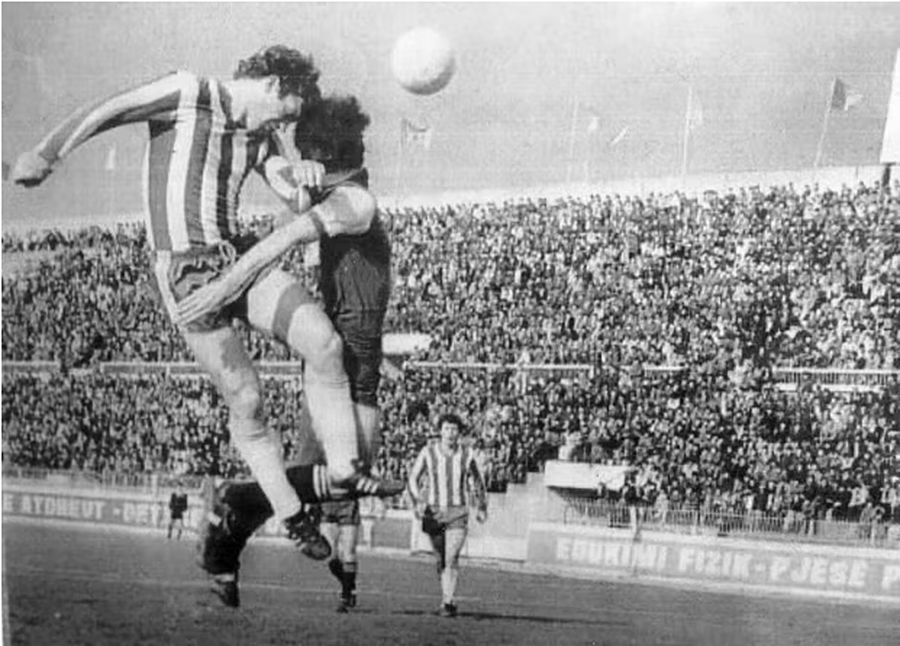
The scenes resembled opening hours on the New York Stock Exchange. In Stalinist Albania, where public discord was almost non-existent, brawls regularly broke out in the square as over 1,000 fans flocked to see their football heroes.
Arrests did occur, but not as regularly as you would expect, the Sigurimi (Albanian secret police) choosing to turn a blind eye to non-ideologically motivated acts of mob misconduct.
Those who failed in their search for matchday tickets would have to try their luck at Tirana's other vendors: small holes in the wall, under the stairs at Dinamo Stadium or Qemal Stafa Stadium.
Come Sunday, Tirana came alive; a palpable buzz of collective emotion sweeping the city. Fans used to gather in Skenderbej Square a few hours before 15:00 to smoke cigarettes and speculate on the outcome of the day's game.
But what did the matches look like during these dark and crooked times? My friend Irvin told me: “Although the pitches were shit, the football was beautiful, very competitive, full of quality, intelligence and skill. And the atmosphere was always amazing; we practically lived for the weekend. It was the only 90 minutes of the week that people could be themselves; forget life and everything else, and shout and sing their hearts out."
Rejoicing, however, was always measured with caution, as a stray and backhanded comment could have dire consequences. "If you made a negative remark about the government, a spy in the crowd would call a security agent who would intervene," Irvin said.
The goals were celebrated euphorically. "Cafes and bars on Elbasani Street donated some toilets, or fans cut up newspapers to throw when their team scored. But the most imaginative form of celebration was pigeons. Every family in Albania continues to race pigeons to this day, and many fans tie ribbons in their team colors around the pigeons' ankles and release them into the stadium. They were waiting in their pigeon room when they got home."
The fans felt the events in the fields around the country by taking to the matches the transistor radios in the shape of a silver lozenge made in Albania - the size of a house brick; primitive contraptions with long antennae that stuck out like dueling swords that threatened to injure neighboring fans. In the video archives of the era, you can clearly see a legion of straight spikes glistening in the midday sun.
Word of developments in other matches in other cities and towns would quickly travel through the stadiums; an indication that a rival team had conceded a goal in a distant municipality.
Few Albanians knew about football outside the hermetically sealed borders of the country. There have been some whispered lore of Yugoslav and Italian football, homemade antennae from sardines or tins of shoe shine that offered insight into a world beyond bunkers and barbed wire. The day of the match in Albania captured the secret spirit of a people who were used to doing what they were told. Children of a republic who, once a week, were allowed to go out to play, to be a true version of themselves. And this happened every Sunday./"The Guardian ", adapted in Albanian " Pamphlet "


Lini një Përgjigje