


 Shkruar nga Pamfleti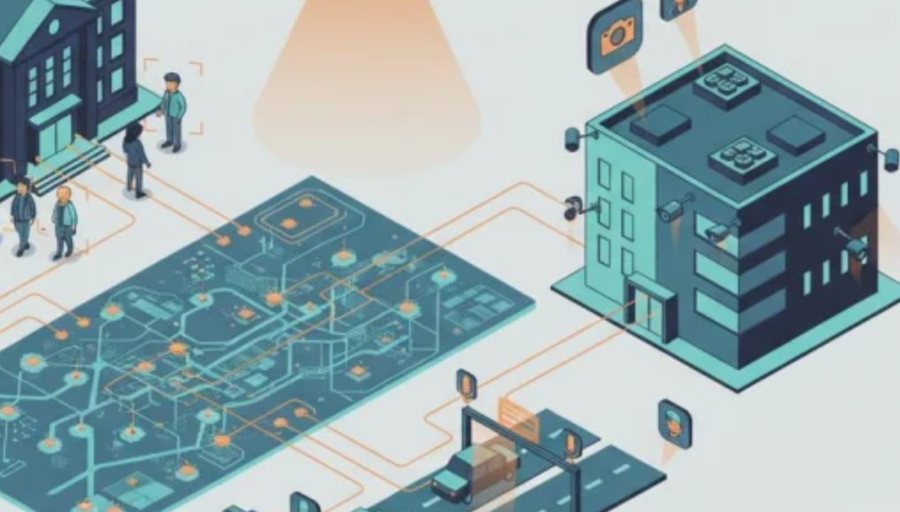
Over a thousand video and audio surveillance devices have been installed in public institutions across the country; experts warn of privacy risks
Over a thousand video and audio surveillance devices have been installed in public institutions across Serbia, including schools, hospitals, railway stations and urban infrastructure.
According to a multi-year research conducted by the investigative network BIRN , over the past 5 years hundreds of public institutions have purchased surveillance equipment, from cameras with facial recognition, license plate identification and behavior analysis functions, to cameras that record and analyze sound, as well as drones with multiple zooms and thermal cameras.
The article says the data was collected from public procurement documents, with the help of an internal tool called TenderSpy, developed for the systematic monitoring of public tenders. The result is an interactive map that shows where facial and license plate recognition cameras are used, where voice is also recorded, who owns behavioral analysis software, and how the network of devices that enable the tracking of the movement of people and vehicles is expanding.
According to BIRN, the real number of devices is higher, as the Ministry of Interior, the Serbian Army, military security agencies (VBA and VOA) and the Security and Information Agency (BIA) purchase this equipment through separate procedures.
Experts who spoke to BIRN emphasize that these technologies have a security function, but carry a risk of abuse, especially in relation to citizens' privacy.
Lawyer Milos Stojkovic stated that the right to privacy is a constitutional category and that interference with privacy requires a clear legal basis. He added that the development of technology has moved faster than legislation, which often reacts only after problems accumulate.
Surveillance does not only affect employees of institutions, but also citizens who frequent them or pass by them. In the case of cities that install cameras in public spaces, the control extends to a large number of people and opens up a debate about the balance between security and privacy.
Digital surveillance and lack of specific regulation
BIRN conducted this research after, over the past two years, documenting cases of illegal digital surveillance of activists and journalists, including the unlocking of phones with forensic equipment from the company Cellebrite and the use of spy software such as NoviSpy and Pegasus.
Serbia nuk ka një ligj të veçantë që rregullon mbikëqyrjen biometrike. Përpjekjet për të vendosur bazë ligjore për njohjen masive të fytyrës u tërhoqën pas presionit publik. Në këtë kontekst, blerja e vazhdueshme e sistemeve të avancuara të video-analitikës dhe njohjes së fytyrës merr peshë shtesë, pasi zhvillohet pa mekanizma të qartë dhe të pavarur kontrolli mbi përdorimin e tyre.
Profesori David Lyon nga Universiteti Queen’s në Kingston, Kanada, deklaroi për BIRN-in se këto sisteme mund të çojnë në “klasifikim social” të popullsisë, duke mundësuar trajtim të ndryshëm të individëve në bazë të të dhënave të mbledhura, shpesh pa dijeninë e publikut.
Mund të regjistrohet edhe zëri
Një rast i raportuar nga mediat për instalimin e audio-mbikëqyrjes në autobusët e transportit publik të Beogradit në dy linja, që nga maji i vitit të kaluar, nxiti reagimin e Komisionerit për Informacionin me Rëndësi Publike dhe Mbrojtjen e të Dhënave Personale. Sekretariati për Transportin Publik urdhëroi tërheqjen nga qarkullimi të autobusëve ku ishin vendosur pajisje për mbikëqyrje audio.
Megjithatë, sipas BIRN-it, pothuajse të gjitha kamerat në autobusët e GSP Beograd dhe të JGSP Novi Sad kanë mikrofon të integruar. Prokurimi i fundit për autobusët e qytetit të Nishit në vitin 2017 parashihte mundësinë e regjistrimit audio në 16 automjete.
Organizata joqeveritare Partneri Srbija, e cituar nga BIRN, thekson se përfshirja e mikrofonit ndryshon natyrën e mbikëqyrjes, pasi kalon nga vëzhgimi vizual në regjistrimin e përmbajtjes së komunikimit verbal. Sipas saj, Serbia nuk ka ligj të posaçëm që rregullon audio-video-mbikëqyrjen në institucionet publike jashtë sistemit policor.
Duke analizuar specifikimet teknike të tenderëve me terma si “audio duplex” dhe “mikrofon i integruar”, BIRN identifikoi kamera me mundësi regjistrimi zëri në stacionet hekurudhore në Zajeçar dhe Lapovë, në Institutin e Onkologjisë dhe Radiologjisë në Beograd, në disa shkolla dhe kopshte, në parqe publike në Beograd, në institucione korrektuese në Beograd dhe Sremska Mitrovicë, si dhe në disa institucione të mbrojtjes sociale.
Pajisje të tilla kanë blerë edhe njësi të vetëqeverisjes lokale si Kula, Lazarevac, Kuçevo, Valjevo dhe Luçani, si dhe institucione të shumta publike dhe ndërmarrje shtetërore, përfshirë Transportgas, Infostan, Kuvendin Popullor, Infrastruktura e Hekurudhave të Serbisë, Shërbimin Kombëtar të Punësimit, EPS dhe “Putevi Srbije”.
Çështja e audio-mbikëqyrjes në vendet e punës mbetet veçanërisht e ndjeshme. Sipas portalit 021, punonjësit e sektorit të pagesës së tarifave rrugore në kuadër të “Putevi Srbije” kanë ngritur shqetësime për presione politike dhe për faktin se punojnë nën audio-mbikëqyrje. Përfaqësuesit e ndërmarrjes deklaruan për BIRN-in se regjistrimet audio dëgjohen vetëm në rast dyshimesh për abuzim ose ankesash që nuk mund të verifikohen vetëm përmes pamjeve video.
BIRN clarifies that the research does not include private surveillance systems, the recordings of which can be obtained by law enforcement agencies under certain conditions. /Adapted from Pamphlet /





Lini një Përgjigje