


 Shkruar nga Pamfleti
Municipalities across the country are coping with the emergency situation created by the fires with 25% fewer firefighting personnel than required by the law "On Fire Protection and Rescue Services".
The legislation stipulates that every Fire Protection and Rescue Service (FPS) station, an operating and inspection unit established in every municipality, must implement the standard of having 1 professional firefighter for every 1,500-2,000 residents.
In total, 1,300 firefighters are employed in all municipalities nationwide, according to data from the Institute of Municipalities of Albania. In the annual report on “Local Governance in Albania - Report on the Current Situation 2024”, the Institute of Municipalities of Albania highlights that the average number of firefighters at the national level reaches 0.8 firefighters per 1,500 inhabitants, while the number of firefighting vehicles is 0.9 per 10,000 inhabitants.
This indicates that the number of firefighters employed per 1,500 residents is about 25% below the level required by the law "On Fire Protection and Rescue Services".
The executive director of the Institute of Municipalities of Albania, Agron Haxhimali, told Monitor that not only is the number of firefighters below the level set in the 2015 law, but their number also results in an uneven distribution, with small municipalities having more firefighters and firefighting vehicles per capita than large municipalities.
"But this could be related to the distribution of the population in rural areas, where distances are greater and road infrastructure more difficult. While Tirana has the lowest number of firefighters and firefighting vehicles per capita, which can be explained by the concentration of the population and the more developed road infrastructure in the capital," he says.
Also, by the end of 2018, fire stations with a minimum staff of 14 employees were established in each municipality. The number of fire stations is 70.
In the context of the ongoing challenges that Albania faces in terms of fire protection, the executive director of the Institute for Municipalities of Albania, Agron Haxhimali, emphasized the importance of modernizing operational means and firefighting forces.
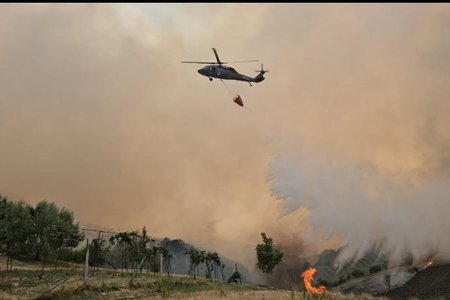
He commented on the current situation of fire management in several municipalities, including Delvina and Gramsh, where not only local firefighting forces, but also helicopters and Albanian and foreign Armed Forces are engaged.
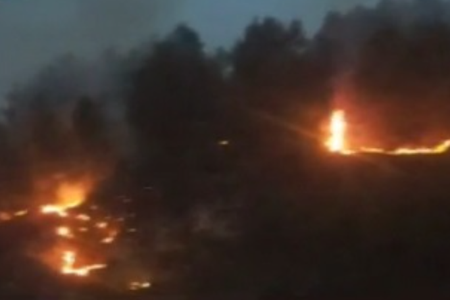
"Local firefighting forces, municipal firefighting vehicles, as well as helicopters from the Albanian and foreign Air Forces for difficult areas have been engaged in extinguishing the fires, especially in the municipalities of Delvinë and Gramsh. A very important part has been the readiness of citizens and volunteers," he said.
Sipas Haxhimalit, edhe pse ka pasur përpjekje të koordinuara, infrastruktura zjarrfikëse në këto bashki mbetet e kufizuar, me mungesë mjeteve moderne dhe nevojë për më shumë personel të trajnuar.
“Në të dy bashkitë janë dhënë urdhra evakuimi për disa fshatra dhe është koordinuar ndërhyrja mes strukturave vendore e qendrore për frenimin e flakëve.
Megjithatë, infrastruktura zjarrfikëse në këto bashki është e kufizuar, me pak mjete moderne dhe nevojë për më shumë personel të trajnuar, çka e vështirëson reagimin ndaj emergjencave të përmasave të mëdha.
Në këtë rast duhet theksuar kontributi shumë i rëndësishëm i avionëve nga mekanizimi evropian e mbrojtjes.
Kjo tregon edhe një herë se sa rëndësi merr investimi në mjete të tilla. Por sistemi i mbrojtjes civile kërkohet të jetë më vital dhe i integruar, në burime, teknologji, infrastrukturë, organizime, edukim ndërgjegjësim etj”, u shpreh ai.
Në raportin e fundit të Bankës Botërore mbi gatishmërinë e Shqipërisë për shuarjen e zjarreve, u theksua se vendi ka kapacitete të kufizuara për të shuar zjarret në zona të largëta, për shkak të mungesës së pajisjeve specifike si kamerat termike dhe automjetet e specializuara për zonat malore dhe të thella.
“Shqipëria ka nevojë për më shumë automjete zjarrfikëse dhe pajisje moderne që mund të shërbejnë për të përballuar situata më të vështira, sidomos në zona të izoluara”, shtoi Haxhimali.
Kjo pasqyron një tjetër sfidë të madhe për administratën lokale dhe për qeverinë që duhet të sigurojë fonde të mjaftueshme për përmirësimin e kapaciteteve të shërbimit të zjarrfikësve dhe menaxhimin e zjarreve në të ardhmen. Në këtë kuadër, Instituti për Bashkitë Shqiptare ka rekomanduar rritjen e transfertave sektoriale dhe krijimin e një fondi të veçantë për emergjencat zjarrfikëse, që mund të përdoret për përballimin e situatave kritike.
Kjo përfshin: shtimin e fondeve për modernizimin e flotës së automjeteve zjarrfikëse, veçanërisht në bashkitë me infrastrukturë të vështirë; mbështetje financiare për rritjen e numrit të zjarrfikësve në raport me popullsinë dhe nevojat specifike të secilës bashki.
Po ashtu sipas Institutit të Bashkive të Shqipërisë për përballimin e situatave emergjente për bashkitë haset nevoja e hartimit të planeve të detajuara për menaxhimin e rrezikut nga zjarret, të përshtatura sipas karakteristikave të secilës bashki dhe kapacitete në këtë sektor për shuarjen e zjarreve në pyje, pasi kjo përbën një tipologji të ndryshme nga zjarret urbane.
Për vitin 2025, 61 bashkitë e vendit kanë përfituar një fond prej 2,1 miliardë lekë (rreth 21 milionë euro) për shërbimin e mbrojtjes nga zjarri, përmes transfertës së pakushtëzuar nga buxheti i shtetit. Krahasuar me vitin 2024, ky fond është rritur me 36%.
Ndërsa për emergjencat civile, fondi i vitit 2025 që do të jetë në dispozicion nga buxheti i shtetit është 5,4 miliardë lekë (rreth 55 milionë euro), një rritje prej 1.4% krahasuar me vitin 2024.
Agron Haxhimali, director of the Institute of Municipalities of Albania, previously recommended that a redistribution of budget funds for emergency situations is necessary. He suggested that municipalities that are directly facing difficult situations should benefit from more funds.
What does the law stipulate for the organization of the service structure?
Article 7 Organization of the service structure
1. The fire protection and rescue service is organized at the central and local levels. The General Directorate of Fire Protection and Rescue represents the central level; the service structures of the MDS in the municipality represent the local level and are organized in directorates or sectors.
2. The General Directorate of the Ministry of Environment, reporting to the Minister, represents the highest technical, supervisory and management authority of the Ministry of Environment. The General Directorate of the Ministry of Environment is organized into directorates with inspection, coordination, training and logistics functions.
3. The Directorate or Service Sector of the Ministry of Fire Protection at the local level is subordinate to the mayor of the municipality. It represents the basic operating and inspection structure in the field of fire protection and rescue in the territory under its jurisdiction.
4. Each municipality must cover its territory with a fire service, with stations complete with personnel, vehicles and firefighting equipment.
5. The MZSH service station is an operating and inspection unit subordinate to the head of the MZSH service sector and is established in each municipality, implementing the standard of 1 professional firefighter for 1500-2000 inhabitants.
6. Each station must have no less than 14 firefighters, professional personnel./ Monitor



Lini një Përgjigje