


 Shkruar nga Pamfleti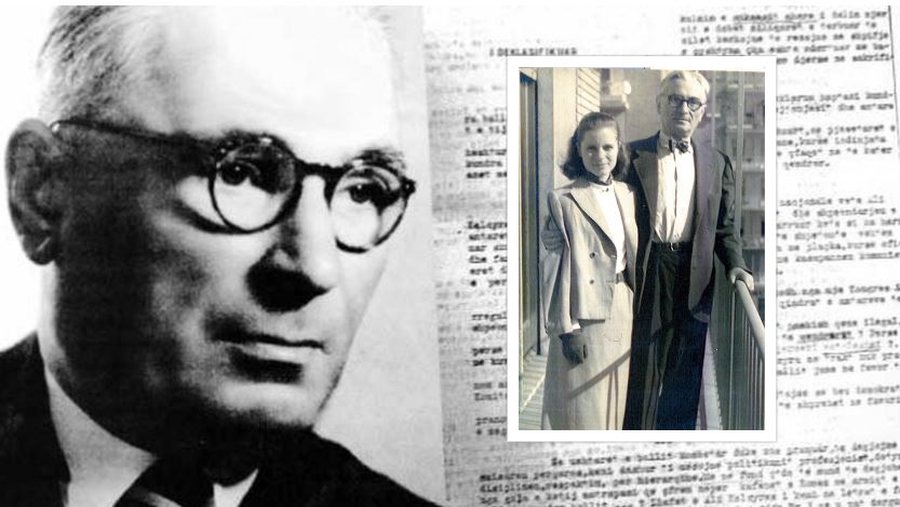
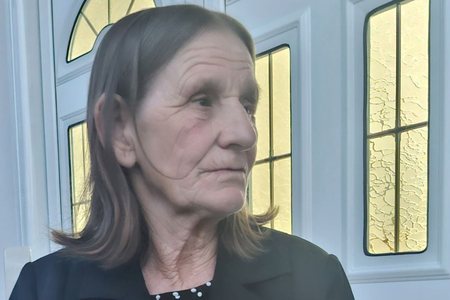
The daughter of Ali Këlcyra, sentenced to death three times by the government of King Zog and by the dictatorship of Enver Hoxha, one of the founders of the "National Front", recounts her life and that of her family. Since the birth in Paris, the constant journeys from one country to another, the ties with her father and the worry that she did not manage to create a family of her own. On the road, Hana walks alongside Këlcyra, she apologizes for not being able to walk on the right side. "Excuse me, why do the little ones always have to sit on the left side when the second one walks, but I've been used to it since I was little and I can't change it."
More than an instinctive habit, I didn't know how to explain it all, but Hana had it. "When I was little and I walked with my father on the street, I was always on his left side. Because he was threatened with death, he always wanted to have his right side, and thus his right hand, free. There are few years that I have walked by his side, compared to the rest of my life, but I haven't been able to change it."
Sports clothes, accessories, hairstyle and all the sensations, completely different from her peers, make Hana Këlcyra, never give her the 75 years she counts, since the day of her birth. Of course, the reason for this is her way of life.
Constant movements around the world, living all these years in Vienna, where he still lives. However, being away from Albania, for almost all her life, learning several foreign languages, has not affected the old Albanian that Hana speaks.
Here and there he needs to remember a word or pronounce it in Italian and French, but the whole language is the old one, which almost no one speaks anymore. Hana (pronounced Hëna in Southern Albania), as was the first name of Ali Bey Këlcyra's daughter, has returned to Albania after more than 60 years, so that language work is not a very simple thing.
Her childhood was divided between Paris, Kilcyra, Egypt and Rome, places where her father emigrated to escape the danger threatened by some governments. In this interview, for which we talked with Hana for a long time, we learned diagonally about almost her entire life and a good part of her father.
Starting from the first time when a child is 'able' to store blurry images in memory, to the later memory that Hana has still kept so sharp that she is able to recount even the details of the events. Before entering the history inside, let's first learn what the "Covenant" was, one of the key points for which the name of Ali Këlcyra was mentioned.
Hana tells: "Mithat Frashëri and Ali Këlcyra were exiled by the British, because they did not cooperate with the liberators (1945, in Italy). Ironically, Ali Këlcyra spent another 5 months in prison as an anti-Italian and as a participant in the Vlora War in 1920. After his release, he sought to unite all the political currents of emigration to overthrow the Tirana regime (year 1946).
Since until this historical moment the person of the father was considered by the leaders of the Albanian emigration outside the homeland, as an obstacle (taking into account his political activity, as an opponent of the King), he said: Since the national interest, the survival of the homeland was a priority for him, he joined the "Besëlidhja" association, which was able to materialize with the exception of Abaz Ermenji, who refused cooperation.
As a good speaker of the Greek language, Ali Këlcyra was commissioned by "Besëlidhja" to enter into an agreement with the government of Athens, to enable the entry of Albanian anti-communist troops into Albania from the land side, asking for a guarantee from the Greek side that they will not intervened after them in Albania militarily. The requested support was rejected by the right-wing Greek government of the time.
The Greek representative said: "It is better for us to have a communist government in Albania, rather than a democratic one, with you in the composition. One day the communist government of Tirana will fall and then it will be possible for us to enter Albania without a war".
With this failure of Ali Këlcyra's mission in Athens, the "Covenant" ends because, personally, Ali Këlcyra was against the landing with parachutes, for which the Americans would help, given the difficulties of concrete actions, the possible bloodshed and saving the lives of many innocent people.
But how did the story continue…? What were the highlights of his father's political history, because of which the whole family was in danger? Why did she stay so many years without returning to her country after 90? Everything that happened and happens in her life, Hana tells in this exclusive interview that we are publishing in this article.
Ms. Hana, we continue the story where we left off...! What action did the father take after breaking the "Covenant"?
Ali Këlcyra returns to Italy and starts again the activity in the field of emigration journalism, publishing a newspaper with the financial help of the soldiers of the "National Front". Later, he was elected to the "Free Albania" Committee (an organization supported by the USA to fight the communist dictatorship) and remained for years a member of the Albanian delegation that was appointed at the opening of the European Parliament in Strasbourg.
My father was an excellent orator, a skill that had been known to him since his youth when the first Albanian Parliament was created. His speeches that were recited without being read made an impression. This ability of his was even more appreciated by the public. There was what is called "tribune force".
Ndërkohë, shkruante artikuj e analiza me tema mbi Shqipërinë, si për shembull roli i gruas në Shqipëri, mbi ardhjen e komunizmit në pushtet, luftërat e ndryshme historike, momente të rëndësishme të historisë sonë etj.
E veçanta e babait ka qenë për mua, se ai jo vetëm që i ruante dhe forconte kontaktet e tij me kundërshtarët e vet politikë, por nuk mund të harroj vlerësimet që babai jepte shpesh për ta, të cilët ndonëse me ide të kundërta, i quante atdhetarë, nëse jepnin kontribute për dialog në interes të Shqipërisë.
Si shembull, mund të përmendim ballafaqimet në Berat me Mehmet Shehun e, të tjerë, vitet 1942-1943, sepse babai kërkonte që Lufta Antifashiste të mos degjeneronte në vëllavrasje midis shqiptarësh.
Pa zbërthyer momente të veçanta të historisë, bëjmë një panoramë të përmbledhur të jetës së të dyve…! Si është historia e emrit? Diku e keni Hëna Këlcyra, diku tjetër Hana Klissura?
Origjina e vjetër, historike e familjes Këlcyra, rrjedh nga familja e Muzakajve. Sa i takon transformimit të mbiemrit, transformimi ishte bërë për shkak të titullit që Mbreti i Napolit, më 1272, i kishte njohur Andrea Muzaka-s, titullin “Conte di Clissania”, që i takonte gjeografikisht Grykës së Këlcyrës (clausura, në latinisht do të thotë ‘mbyllje’).
Me kalimin e kohëve, ky emër shndërrohet në ‘clissura’, gjë e cila mund të vërehet edhe në hartat e vjetra të kohës. Me ardhjen e pushtimit osman, në shekullin e XIV-të, emri i qytetit ‘Clissura’ transformohet edhe një herë në “Këlcyra”.
Në këtë kohë, familja, për të mbijetuar, përshtatet me realitetin e ri dhe ndërron fenë, duke ndryshuar edhe emrin e të parit të familjes, nga Teodor Clissura, në Jakup Këlcyra.
Si është historia e lindjes suaj në Paris, pse lindët atje?
Me rrëzimin e qeverisë së imzot Fan Nolit, ai largohet nga atdheu për në Itali (viti 1925) dhe, më pas vijon për në Vjenë, ku qëndron deri në kohën e atentatit, që iu bë Mbretit Zog tek opera e qytetit. Pas atentatit, autoritetet ftojnë emigrantët politikë shqiptarë, të largohen nga Vjena, gjë e cila e shtyn babanë të ikë drejt Parisit, ku vendoset deri më 1939. Prandaj unë linda në Paris, në 1936.
Për sa kohë jetuat në Paris?
Në moshën 3 vjeç e gjysmë u kthyem në Shqipëri bashkë me prindërit e mi.
Arrini të kujtoni diçka nga ardhja juaj e parë në atdhe?
Jemi kthyer në Shqipëri në ’39-n nga Parisi dhe nëpërmjet Italisë, arritëm në Brindisi. Mandej në Sarandë, me një udhëtim që zgjati rreth 10 ditë. Kujtoj si fillim përshtypjen që më bënin dritaret e rrumbullakëta të vaporit e, pastaj errësirën që gjetëm në Këlcyrë, sepse nuk kishte elektricitet.
Shandanët që mbanin personeli i shërbimit në shtëpinë e xhaxhallarëve të babait, ishin shumë të lartë, ndërsa unë shumë e vogël dhe kjo më krijoi një ndjesi frike prej hijes që bënin.
Gjatë gjithë asaj nate të parë, ndjeva frikë. Pastaj në mëngjes, pamja e parë që pashë nga dritarja e dhomës sime rozë, ishte ajo e sarajeve të vjetra të familjes: gjithçka m’u ngulit në kujtesë e prej asaj dite unë mbaj mend gjithçka.
Kthimi juaj në Shqipëri përkon me kohën e pushtimit italian… Pse u kthyet pikërisht atëherë?
Gjatë periudhës fashiste, babai e kishte të pamundur hyrjen në Itali, pasi ai si ‘social-demokrat’, bashkëpunonte me ajkën e social-demokracisë italiane, sidomos me figurat e saj historike, si; Pietro Nenni, ish-Presidenti Saragatt etj., duke kontribuar edhe me shkrimet e tij antifashiste nga Parisi. Pas 7 prillit, babai ishte në dilemë nëse duhet të vazhdonte mërgimin si kundërshtar i fashizmit apo të kthehej në vendlindje.
Vendimin e ka marrë pasi kontaktoi me kolonelin britanik, Hill (i mbiquajtur mik i Shqipërisë), i cili e këshilloi të kthehej: “E ke luftuar qeverinë mbretërore kaq gjatë dhe nuk ia arrite qëllimit nga jashtë. Rezistenca është e mundur vetëm nëse ajo bëhet nga brenda. Nëse do të kontribuosh për rezistencë ndaj pushtimit, duhet të kthehesh pranë njerëzve të tu”. Me këto fjalë, u sqarua dilema e tij për t’u kthyer.
Ali Këlcyra ka qenë një nga deputetët e parë të Parlamentit shqiptar. Si i ka hyrë fillimisht politikës?
Marrëdhëniet e para me politikën kanë qenë për shkak të shkollimit të tij dhe njohurive të gjuhës franceze. I bëri Mbretëreshës Sofie (bashkëshorte e Mbretit Ëied), fjalimin e parë në frëngjisht, meqenëse ajo nuk dinte shqip (1913).
Rikthehemi te Këlcyra, vendi që pas më shumë se gjysmë shekulli ju ka rikthyer së fundmi disa herë në Shqipëri. Cilat janë kujtimet e para atje?
Pas dy javësh çmalljeje në Shqipëri pranë familjes, me arsyen e një ‘shëtitjeje njohëse’ të vendit për mamanë, e cila nuk e njihte shumë vendin, babai dhe nëna, vizitojnë shumicën e qyteteve të jugut, deri në Elbasan e Tiranë, duke marrë kontaktet e para me miqtë e tij dhe personalitete të tjera të rëndësishëm të kohës, me qëllim krijimin e një organizate antifashiste.
Në ata 6 muaj që ndenja pa prindër aty, lidhja me Këlcyrën u bë aq e fortë dhe nuk u ndërpre më kurrë. Nëse marrim një makinë dhe vemi tani atje, ju do e kuptoni se unë nuk jam më njeriu që isha pak orë më parë. Nuk mund të harroj piknikët që bëja me “vëllain” tim “gomarin”.
Është për të qeshur kjo historia e vëllait, sepse kështu thërrisja gomarin që kishte lindur në Këlcyrë, në po atë orë e në po atë ditë, që unë kisha lindur në Paris (jeta na tregon se ndonjëherë kafsha, mund të të kthehet edhe në vëlla).
Shëtisja në fshatra, isha e mirëpritur kudo në sofrat e fshatarëve të katundeve përqark dhe kjo më shijonte shumë, edhe pse në protokollin e shtëpisë sonë, kjo ishte fort e zakonshme. Në tryezat tona zakonisht nuk duhet të qeshje, të ngrije zërin e të vije bërrylat mbi tryezë.
Të gjitha këto për një fëmijë ishin të bezdisura, të padëshiruara, prandaj edhe kënaqesha me lirinë që shijoja në shtëpitë e fshatarëve, edhe pse gjellët më të mira të tyre, mund të ishin çorba me trahana të bardhë, qepa, dhalla, apo buka e misrit.
Another interesting memory is that many old women of the village cried every time they met me. After asking; "grandfather" (that's how I called my uncle, Muhamet bey Këlcyrës), tells me that the reason for the tears was because I had not given birth to a son.
I emphasize that the "fireplace" of Këlcyra was in danger of being extinguished due to the lack of boys. So, one fine day, I went to the barber and cut my hair short so that it wouldn't cry anymore, because I already felt like a boy.
What happened when my father returned, because the time of the Italian-Greek war had come...?!
In the evening, before the declaration of war with Greece, the Italian authorities request the cooperation of the father against the Greeks, so by fighting against them, the father would be given the opportunity to take revenge for the burning of Sarajevo by the Greek army in 1914, when the uncle, Muhamet bey, refused to sign the recognition of the Greek-Albanian border, according to the Përmet-Këlcyre line.
The father refused to cooperate on this basis, because he believed above all in the good neighborliness established during the years of the Kingdom, while he saw the Italian intervention as unsuccessful.
Based on the knowledge he had about Greece and its history, the father says: "The Italian army is not prepared for such a military confrontation, as you still have the soldiers dressed in summer clothes. The Greek can sell everything, but not his country", said the father to the Italian representatives.
He didn't believe the Italians, who thought the war would only last 3 weeks, on the contrary…! At the beginning of the war, he sent me to Vlorë, on top of a truck, and from there, to Fier to my aunt.
What was the result of the refusal to cooperate?
His internment. I was present when the police car came and arrested him. When I saw that they handcuffed him, I lost all faith in him at that moment. Until that moment, I had considered my father as God, he was everything. From that day on, I never went to my father for any problem I might have.
Meanwhile, after his exile in Italy and our going there, the Italians burned our houses and shops (first they burned 7 and then 44 others), for which we were never compensated.
As you grew up, what happened to your education?
I learned to write and read in Italy, at the time when my father was exiled. Three months after his exile, we were allowed to settle in Italy, with my father, in Cortona (Arezzo), where I began to learn to read and write in the Italian language.
But in Italy, in this period, you didn't stay long, so the lessons would continue in Albania...?
The lessons continue at home privately, with a teacher from Lunxëria, Mr. Lekdusha, as well as a Swiss governess, for the German language, whom I called 'nani' - a name that governesses are usually called in northern Europe.
As for the French language, I learned it with Mademoiselle Badel. Until the third grade, I gave the exams in the elementary school of Fier. I did the first three months of the 4th grade privately in Shkodër, before our departure from the homeland, on November 22, 1944./Memorie.al


Lini një Përgjigje