


 Shkruar nga Pamfleti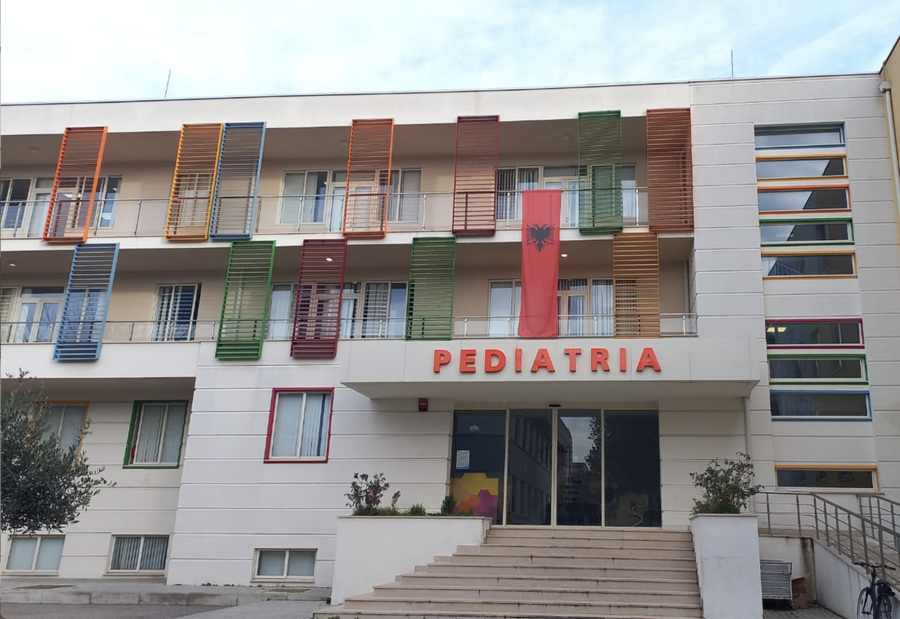
Vaccine fear, fueled by unverified information, is increasingly influencing parents' decisions to vaccinate their children. But when these narratives spread beyond social media and enter families, communities, and institutions, the consequences are no longer individual, but affect public health.
In recent years, Albania has seen an increase in parental reluctance to vaccinate their children, a phenomenon fueled by the circulation of inaccurate health information and a lack of trust in official sources.
"Until the children were preschoolers, I hadn't given them any vaccines," said Mira, a mother of twins who enrolled them in kindergarten for the first time in 2025.
Her decision, as she explains, was related to the fear of autism and the influence of information circulating in the family circle and on social networks.
"The fear was very great and was fueled by what I had heard in my family," she told Media Amfora, agreeing to be identified only by name for privacy reasons.
"My sister's daughter developed normally until she was two years old, but then she was diagnosed with autism spectrum disorder, and that scared me a lot. At the same time, every day I read news and comments on social media that linked autism to vaccines," the young mother added.
Such cases are not isolated, but reflect a broader climate of uncertainty that has been strengthened especially after the COVID-19 pandemic, when health information spread rapidly, often without verification.
Data from the Institute of Public Health showed that in January 2024, 11 cases of measles were confirmed in Tirana and Durrës, mostly unvaccinated children, while during 2025, 18 cases were registered, reflecting the increase in the disease as a result of decreased vaccination coverage.
In this context, pediatricians say they are increasingly encountering parents who come with doubts and fears about vaccination, influenced by information circulating outside official channels.
"I am surprised by how there are cases of parents who come to me and ask me hesitantly whether or not to vaccinate their child, for fear that they may cause autism," pediatrician Vladimir Kumaraku told Media Amfora.
According to the doctor, part of these fears is fueled by the way health information circulates in the public today, often out of context and without professional explanation.
"These concerns are directly related to the information circulating today," the pediatrician added, emphasizing that the way science is interpreted often creates more confusion than clarity.
Hezitimi ndaj vaksinimit nuk mbetet vetëm në raportin mjek–prind, por shfaqet edhe në komunitete fetare, ku disa familje kërkojnë orientim në kushtet e pasigurisë dhe konfuzionit informativ.
“Ne kemi hasur raste mes besimtarëve, të cilët kanë shfaqur një lloj ngurrimi për marrjen e dozave të vaksinimit, sidomos të asaj njëvjeçare dhe dyvjeçare, sepse nga miq të afërt kanë konstatuar raste të shfaqjes së simptomave të autizmit dhe i atashojnë këto probleme me marrjen e vaksinës”, tha Ervin Qylafku, Imam i Xhamisë së Madhe në Durrës.
Sipas tij, kjo situatë ushqehet nga përplasja e informacionit zyrtar me burime të pakonfirmuara dhe autoritete jozyrtare që qarkullojnë në hapësirën publike.
“Sot kemi një fluks informacioni që herë është i vërtetuar e herë i pavërtetuar. Krahas institucioneve zyrtare si Organizata Botërore e Shëndetësisë, qarkullojnë edhe autoritete të tjera jozyrtare që bëjnë deklarata dhe kjo përplasje zërash i bën shumë njerëz të dyzuar në marrjen e vendimeve për fëmijët e tyre”, shtoi ai.
Mjeku pediatër tha se prindërit që i drejtohen me shqetësime për vaksinimin shpesh kanë nevojë për sqarim dhe siguri profesionale. Sipas tij, këto dyshime shtohen me përkimin në kohë mes moshës kur kryhen disa vaksina dhe momentit kur fillojnë të vërehen shenjat e para të çrregullimit të spektrit të autizmit.
“Nëse do të kishte një lidhje reale mes vaksinimit dhe autizmit, atëherë do të përballeshim me një përhapje masive, njësoj si në rastin e sëmundjeve infektive”, shpjegoi mjeku pediatër, duke shtuar se “nuk ka të dhëna shkencore që ta mbështesin këtë pretendim”.
Për Mirën, përballja me kërkesën për kartelat e vaksinimit në momentin e regjistrimit të fëmijëve në kopsht e vuri përballë vendimit që kishte shtyrë prej vitesh. Ajo thotë se sqarimet e pediatrit ishin vendimtare për ta marrë këtë hap me më pak frikë.
“Kur e dëgjova pediatrin dhe kuptova që frika ime nuk mbështetej në fakte, vendosa t’i bëja vaksinat”, tha ajo. “Mbylla të gjitha rrjetet sociale, si të miat ashtu edhe të bashkëshortit, sepse ndryshe nuk do ta përballoja dot situatën”, shtoi gruaja e re.
Sipas imamit të Xhamisë së Madhe në Durrës, situata aktuale karakterizohet nga një nivel i lartë dezinformimi, që e bën të vështirë dallimin mes informacionit të besueshëm dhe atij të pasaktë, duke ndikuar drejtpërdrejt vendimmarrjen e prindërve.
“Ka një dezinformacion të jashtëzakonshëm, ku ne nuk mund ta ndajmë më se kush është e vërteta, cili është mendimi i vlerësuar nga ana mjekësore dhe cili nuk duhet marrë në konsideratë. Për këtë arsye, jemi të dyzuar si shoqëri, sepse gjithçka që na rrethon duket e kontaminuar, duke filluar nga ushqimet, ambienti dhe deri te lajmet që qarkullojnë në media”, u shprehet Ervin Qylafku.
Ai shton se kjo klimë pasigurie i bën njerëzit më të stepur ndaj çdo vendimi që lidhet me shëndetin, përfshirë vaksinimin e fëmijëve.
"All of this makes people very reserved in making decisions, especially when it comes to children's health, and this makes society live in a state of constant hesitation," he added.
According to him, in the face of this situation, the role of the doctor remains essential, while faith and science should not be placed in opposition.
"The role of the doctor is very important, because it is not just a profession, but a mission. Doctors and faith must be together to help people get out of the quagmire of misinformation," he concluded.
Even from a medical perspective, the problem lies not in the lack of information, but in the overload of inaccurate information, which confronts the parent with fear and doubt.
“Today, parents do not come without information, on the contrary, they come overloaded with wrong information,” explained pediatrician Vladimir Kumaraku. “This makes them more insecure and more afraid, because each source claims to have its own truth,” he concluded.
Vaccination hesitancy reflects a contaminated information environment, where fear often feeds faster than facts. In this reality, health misinformation does not remain only on social networks, but is transformed into decisions that affect the health of children and society as a whole, making trust in accurate information one of the greatest challenges of our time./Amfora



Lini një Përgjigje