


 Shkruar nga Klodian Tomorri
Although this was only a short sentence, its transformation into law paved the way for one of the biggest financial frauds in Albania's history. Those of the extortion of 100 thousand Albanian citizens with predatory loans and the alienation of property for tens of thousands of families throughout Albania. A robbery scheme, which is estimated to amount to over 200 million euros.
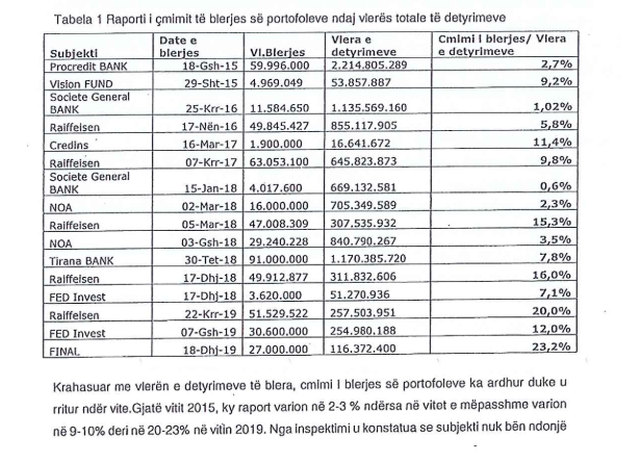
On August 18, 2015, a company called Micro Credit Albania bought 22 million euros of bad loans from Procredit bank. The purchase price was 2.7 percent of the value of the loans. A month later, the same company bought another 540,000 euros of bad loans from the Vision Fund entity. But all these operations were conducted in complete secrecy and the arya for this was very strong. Micro Credit Albania did not have a license to buy loans, while Albania had no law allowing the sale of bad loans.
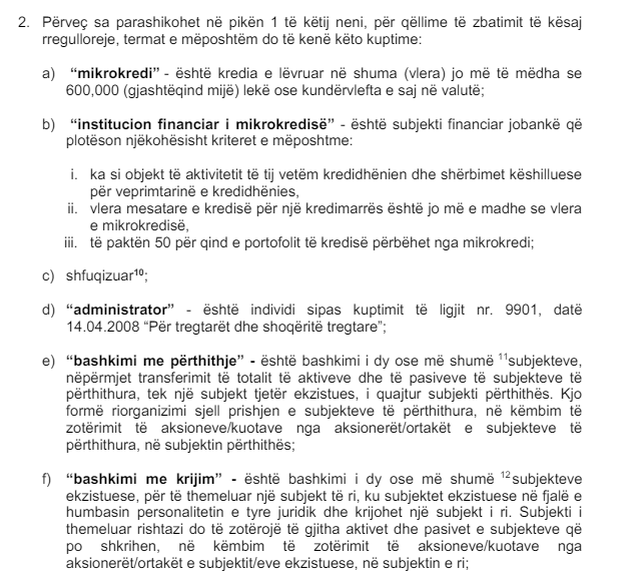
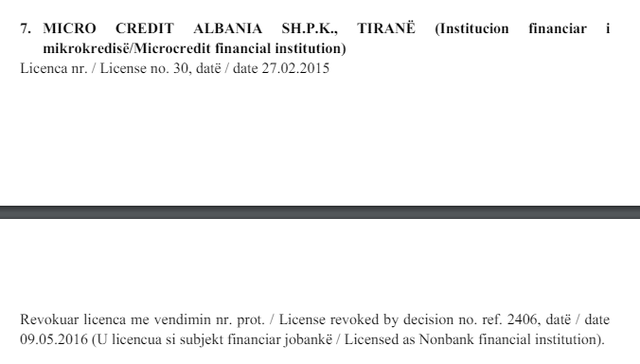
Micro Credit Albania was a company licensed by the Bank of Albania on February 27, 2015 as a microcredit financial institution. The legal basis for the activity of these institutions was approved by a special regulation of the BSH Supervisory Council in January 2013 with the signature of former governor Adrian Fullani. It was expressly stated in the regulations; "Microcredit financial institutions have as their object only lending and advisory services for lending activity."
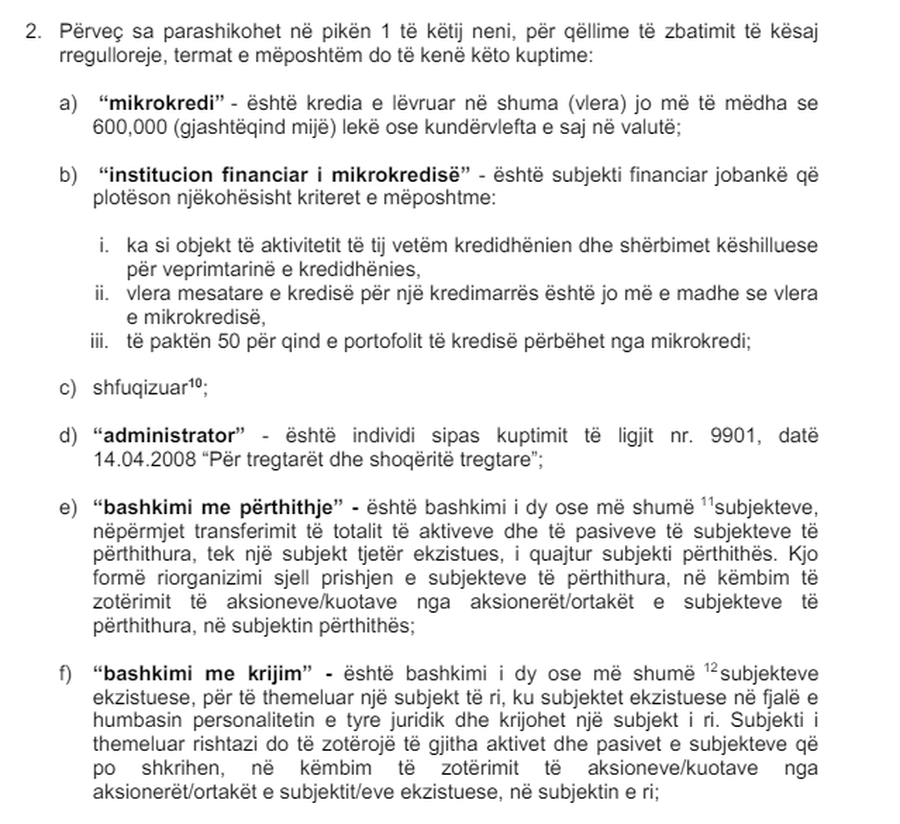
So according to the law of that time, microcredit institutions were only allowed to give microloans up to the maximum amount of 600 thousand ALL and no other activity, especially the purchase of bad loans. In short, all bad loan sales transactions were an illegal activity that continued for months.
But instead of blocking the illegal activity and indicting the persons responsible for criminal prosecution, the Bank of Albania changed the law post factum, drawing the Supervisory Council into illegality.
Implication of the Supervisory Council
On March 30, 2016, when more than 6 months had passed since Micro Credit had bought the first bad loans, the Supervisory Council of the Bank of Albania changed the regulation "On licensing and exercise of activity by non-bank financial institutions". In point 2 of this regulation, the sentence was added that "the purchase of credit will be considered as one of the forms of lending".
Although this was only a short sentence, its transformation into law paved the way for one of the biggest financial frauds in Albania's history. Those of the extortion of 100 thousand Albanian citizens with predatory loans and the alienation of property for tens of thousands of families throughout Albania. A robbery scheme, which is estimated to amount to over 200 million euros.
It is not known whether the Supervisory Council of the time was aware that such massive purchases of bad loans had taken place in the market by the company Micro Credit Albania or was pushed into the discourse of crime by the executive arm of the Bank without having full information about what it was voting for. This will most likely be revealed by SPAK's investigations. However, even with the change in the regulation, the illegality was not completely covered. Another movement was needed, now to legislate the MCA, which was not delayed.
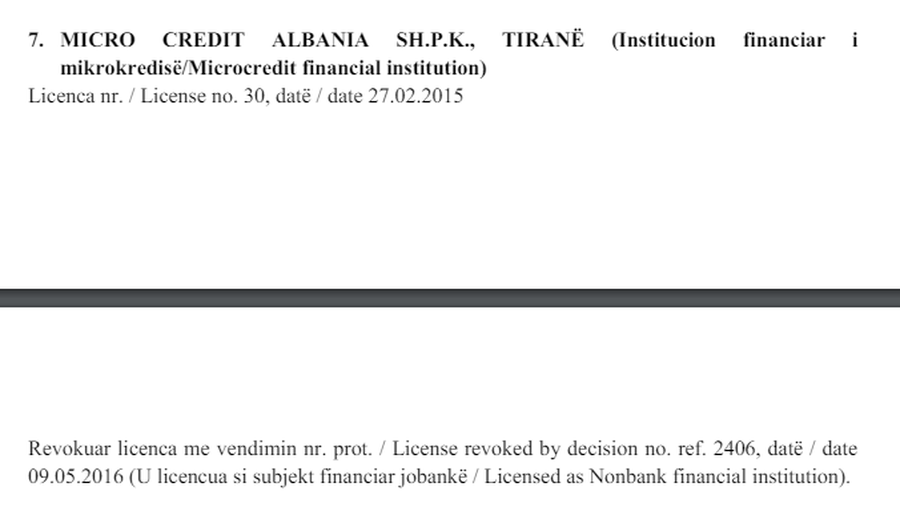
On May 9, 2016, the Bank of Albania revoked the license of Micro Credit Albania as a microcredit financial institution and on the same day licensed it as a non-banking financial entity. This license legally gave Micro Credit Albania the right to buy bad loans even though the company had been doing this illegal activity for over 6 months.
Crime begets crime
An affair started illegally can produce nothing but crime. Immediately after being licensed by BSH, Micro Credit Albania bought another 80 million euros of bad loans from private banks, bringing the total amount to a full 100 million euros.
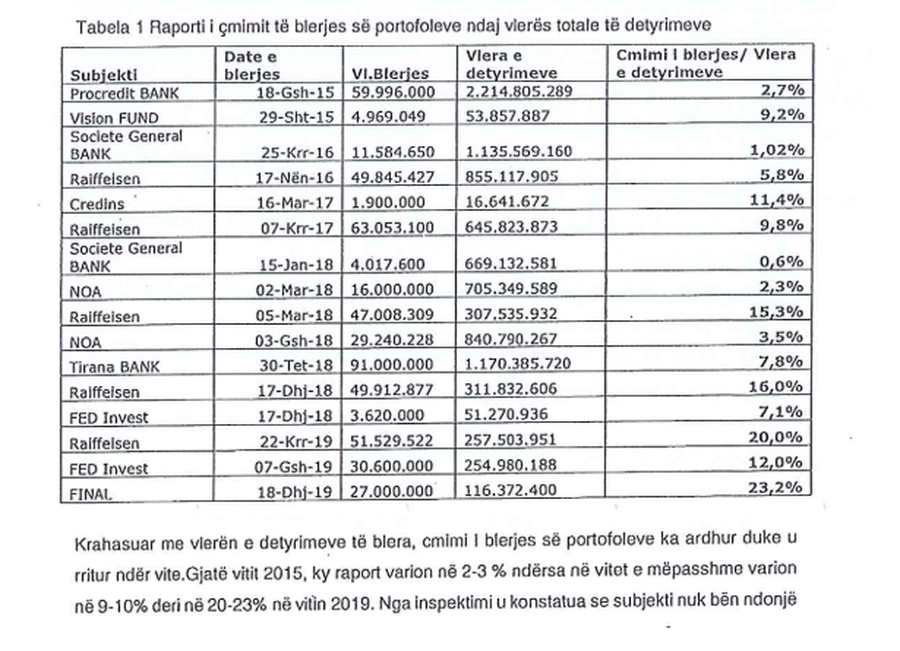
But while the Bank of Albania was boasting that its measures were reducing bad loans in the banking system, over 100,000 Albanian families fell into the clutches of a criminal fraud scheme. It didn't take long and the Ministry of Justice received hundreds of complaints from citizens who were mercilessly deceived and extorted by Micro Credit Albania until the ruin of their families.
As complaints from citizens kept increasing, the Ministry of Justice was forced to open an investigation into what was happening. The investigation found shocking evidence of a genuine criminal scheme. After him, Etilda Gjoni compiled a criminal report of 700 pages, which she submitted to the prosecutor's office and the Bank of Albania.
But despite the shocking findings, neither the prosecution nor the Bank of Albania acted, paving the way for the biggest scheme of fraud and alienation of property in the history of the financial market in Albania, excluding the pyramids of 1997.
The reluctance of the Bank of Albania to act according to the prosecutor's office in Tirana and the allegations of illegal activity at Micro Credit Albania create strong suspicions of abuse of power at the highest management levels of the country's Central Monetary Authority. For this reason, the prosecution of Tirana officially asked SPAK to investigate the governor of the Bank of Albania, Gent Sejko./Capitali



Lini një Përgjigje