


 Shkruar nga Pamfleti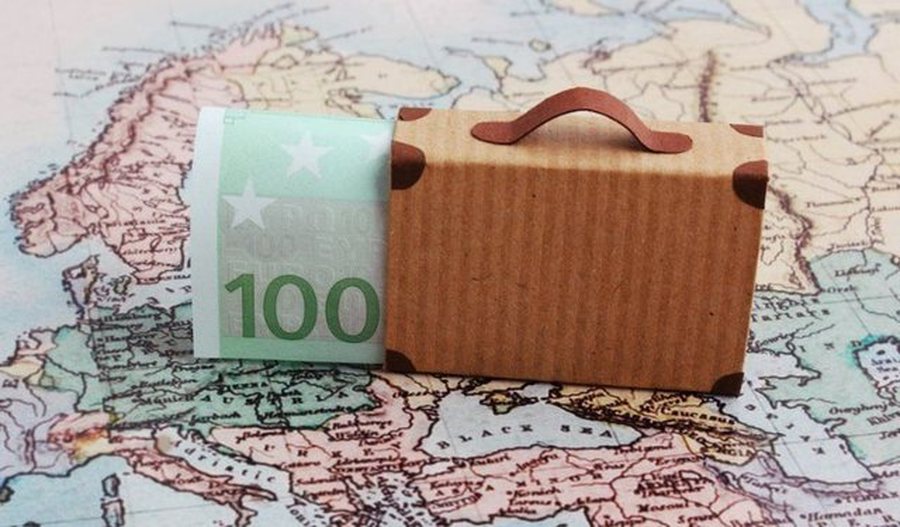
In the first three months of the year, income from immigrants marked the highest level at least since 2008, when the Bank of Albania reports the data.
According to the Bank's Balance of Payments figures, in the first quarter emigrants sent home 214 million euros, with an increase of 16% compared to the same period a year ago.
This is a higher level than in 2008, when the first cycle of remittances had reached its peak.
After that year, remittances began to decline steadily, reflecting the gradual departure of immigrants from the mother country that usually occurs after 15-20 years, as they start their own families and gradually sever ties with the mother country.
But, since 2017, remittances started to grow again, in line with the new cycle of immigration (in 2016, a record level of asylum requests was recorded at around 60,000).
After a reduction until 2020, also influenced by the pandemic, 2022 marked a new immigration peak, where asylum requests reached 30,000, most of them in the United Kingdom.
In the new channels in recent years, in addition to the traditional ones like Italy and Greece, there were also France, Germany and the United Kingdom.
However, the alternative market operators claim that no significant increase has been found in the official channels and the market has been stable.
It is estimated that the growth may have also come from the increase of informal resources. This year there has been an unusual strengthening of the local currency, which, according to foreign exchange agencies, has come not only from tourism, but also from the increase in informal sources of foreign exchange.
At the end of last week, the euro dropped to a new historical record of 105.62 ALL. The contraction of the euro attracted other currencies as well, with the dollar being exchanged at 98.56 ALL, the lowest level in 12 years.
The fall of the euro actually devalues the money that immigrants send home, since with the same amount of currency host families receive less lek.
Even immigrants who come on vacation have to spend relatively more in foreign currency, to make the same purchases as a year ago, moreover accompanied by high inflation./Monitor





Lini një Përgjigje