


 Shkruar nga Pamfleti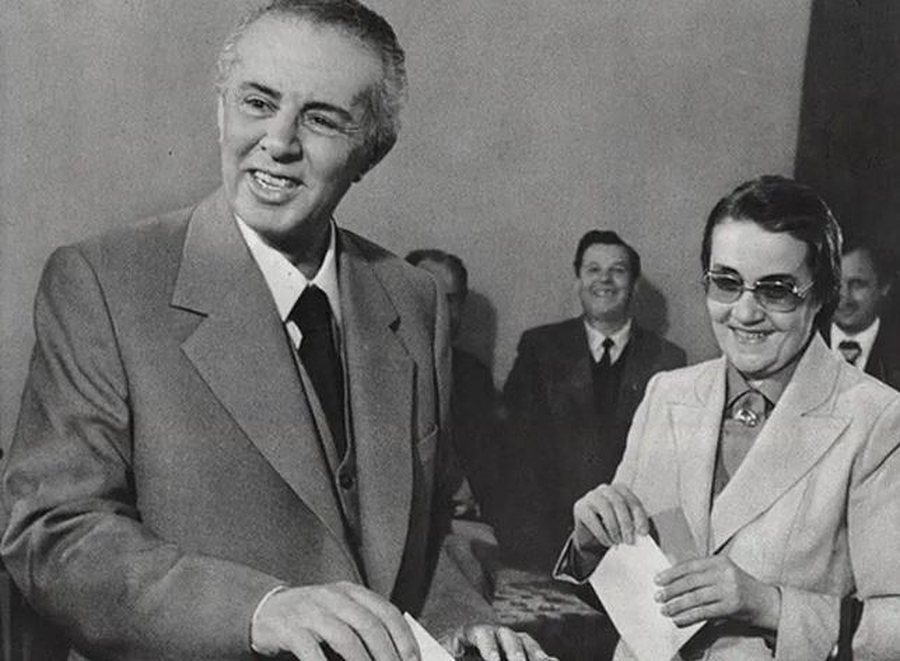
"All the votes for the candidates of the People's Assembly", "Our votes, for the Democratic Front", these were some of the pre-electoral calls during the years of the dictatorship. And so it happened: 99.9% of the votes went to the Democratic Front. And how could it happen otherwise, when he was the only candidate in the race? Today, of course, the story has changed. Bunches of flags wave, days before the campaigns: red, blue, pink, violet...! In these recent campaigns for the parliamentary and local government elections, thankfully the walls of the buildings and the streets were saved from posters and banners with all kinds of slogans and frowning faces, and with a hand on the heart, you say that they are sending for this people.
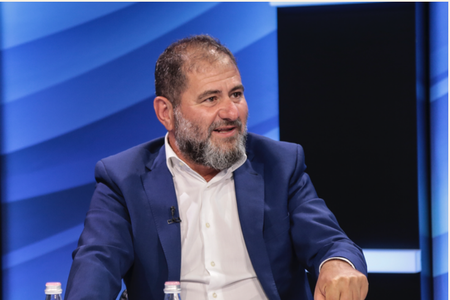
But the pathos of the campaigns is inherited. Banners and photos of candidates filled Socialist Albania before the 1990s, even though there was no alternative. Only red color and banners approved by the Central Committee of PPSh. Isa Daja, is one of the veteran specialists of the famous Decor of Tirana, who was directly involved with the decorations and decorations of electoral campaigns in Tirana before the 90s.
He was very young, 15-16 years old, when he started working, in 1971. From a simple employee in those beginnings, to move year after year, to a management position and stayed there until 2012, when he left, to organize his private activity.
In the span of forty years in that sector, Daja remembers everything, bringing it in detail: How it was transformed and used over the years, the Mosque of Dine Hoxha, as a decoration enterprise, how the decoration of the capital and the cities of Albania was realized, on the occasion of voting; who were the persons entrusted with the festive decoration, etc.
From the painters, the directors, the women employees, the red tape, the preparations, the atmosphere, the momentum, the overtime work, the high payments and the constant control by the Central Committee of the PPSh, to keep under observation the situation on the eve of the elections?
How was the reserve voting center quietly prepared, where Enver Hoxha and other Party leaders could go? What was written on the banners, the fear of not making a mistake, to the difficulties of the slogans, in the Chinese language?
Mr. Daja, what is the history of "Dekori" in Tirana?
The decor in general and that of Tirana in particular, has worked since the time of King Zog, so it has an early tradition. After the 1945s, Dekor was concentrated in several warehouses in the center of Tirana, in Karapicë, behind the "Agimi" patisserie, at the beginning of "Kongresi i Përmet" street, today ""Durres Street".
Then, at the end of the 60s, with the prohibition of religious belief, he was placed at the mosque on "Konferenza Peza" street, today "Rruga e Kavaja", at the Dine Hoxha Mosque. For many decades, the mosque has functioned and was the capital's main decoration center, the only one until the 90s. There were about 20 employees, painters, carpenters, tailors, painters, etc.
How important was writing?
Writing was very important. Since in those years, there was a lot of illiteracy, those who worked on its creation and beginnings, were educated people. I remember Sedat Ohrin, Niko Bonati, Pelash Toptan, Filip Lulin, all educated, even abroad. Everything was done with an oil paint brush and today's computer was a projector, which was applied to enlarge the letter.
As for the printer, it was the pistol, the use of which started later, and which served mainly for stamps, slogans, portraits, flags, etc. They were Italian pistols, of all sizes
Who were the most famous people who worked there?
Not everyone did that job. Skilled, honorable people have worked there, who, despite having a "bad biography", were trusted and authorized to practice their profession, in a delicate workplace, such as Dekor. Painters, from Sedat Ohri, Niko Bonati, Pelash Toptani, Filip Luli, Hyqmet Hoxha, Ludovik Verra, Adnan Veseli (Halili), Leka Rrulla, Bedri Seferi, etc., have made a colossal contribution to this enterprise.
There were cases, that for national holidays, major events, well-known painters such as Kel Kodheli, Aali Oseku, Edi Hila, Qamil Prizreni, F. Mezini, etc. were engaged, mainly for the portraits of senior leaders of the ALP, mainly those of Political Bureau of the Central Committee of PPSh.
I believe the voting period was the busiest for you. How was the campaign organized?
The decoration was specialized, but the program, the orders, the orientations were taken from the Party Committee of Tirana, (or the Regions) on how the voting campaign would be organized and developed. Palaces, buildings, facades, roads, etc. were painted with paint. Ideas for graphics, large plaques, were drawn up, designed and approved by a commission, with professional painters, such as Zamir Mati, Gjergji Marko, and others, very well known in this field.
A slogan or banner had a maximum of 56 letters and one letter was worth 4 lek. The payments were covered and carried out by the Executive Committee of the district and the budget for the decor never ended. Meanwhile, the neighborhood had its own corner, where pictures of the leaders were placed, and even on the street there were special corners for advertisements of the time, which changed according to holidays, events, such as those of May 1, November 28-29, etc.
Were there times when it was wrong?
Asnjëherë! Nuk ekzistonte asnjë mundësi të gabohej. Duke qenë se kontrolli, përgjegjësia, frika, kujdesi në çdo germë, ishte e madhe, shmangte çdo mundësi gabimi, apo pakujdesie. Atë ndërmarrje e kanë drejtuar njerëz me shumë autoritet, të njohur e me eksperiencë, pasi këtij sektori, i duhej një gjë e tillë. Drejtorët e përgjegjës të Dekorit, kanë qenë; Hasan Alimerko, Nazif Ruli, Perikli Shomo, Bedri Seferi, Nazmi Hoxha, Burhan Cami, Qemal Podgorica, etj.
Por ka pasur edhe shumë gra, që nga dita e krijimit të tij, deri kur kanë dalë në pension, si: Bardha Pilkati, Lume Toptani, Luiza Panduku, Angjelina Xhori, Premtika Plaku, Bukurije Daja, që kanë kryer funksione të ndryshme, nga piktore, punonjëse të stampës, rrobaqepëse, etj. Pa harruar mjeshtrit M. Cali, L. Caushi, H. Katroshi, etj.
Kishte ndonjë përkujdesje të veçantë për qendrën ku votonte Enver Hoxha?
Gjatë periudhës së votimeve, rëndësi kishte qendra ku do të votonte Enver Hoxha, pastaj Mehmet Shehu e, Ramiz Alia. Për të tjerë udhëheqës, nuk kishte këtë interes, si me tre të parët, e në veçanti me Enver Hoxhën.
Ndonëse dihej që ai votonte te Kopshti 31, afër “Bllokut”, deri kur ai nisej për të votuar, nuk u tregonte se ku do të shkonte, kjo lidhur me sigurinë fizike dhe situatat politike të kohës, pasi mundej që në çastin e fundit, ai ta ndryshonte qendrën e votimit, duke shkuar te Shtëpia ku u Themelua Partia, e cila duhet të ishte gati për gjithçka, siç e kërkonte protokolli, në vendet ku shkonte udhëheqësi kryesor i Partisë, Enver Hoxha. Ne qëndronim gjithë natën në gatishmëri, deri në orën 6 të mëngjesit, për të kompletuar qendrën ku papritur ai mund të shkonte.
Çfarë shkruhej, cilat ishin parullat tipike?
Në përgjithësi, ato ishin standarde dhe nuk i shmangeshin formatit të kohës: “Të gjithë në votime”, “Të gjitha votat për kandidatët e Kuvendit Popullor”, “Votat tona për Frontin Demokratik”, “Një votë e popullit, është një plumb për armikun”, etj.
Me përfundimin e votimeve, materialet, banerat, parullat, etj, sistemoheshin në magazine, për të qenë të gatshme e, për t’i përdorur në votimet e ardhshme. Për këtë aplikohej një libër, në të cilin në mënyrë të koduar, vendoseshin numrat e banerave, që ato të mos humbisnin e ngatërroheshin, për t’u gjetur pa problem, kur të ishte nevoja.
A kishte kontroll nga Partia?
Sigurisht që po. Instruktorë të Komitetit të Partisë, vinin rregullisht në ndërmarrjen tonë të Dekorit dhe shikonin, ndiqnin, udhëzonin për gjithçka, deri edhe që presja të mos ndryshonte. Tekstet vinin të përgatitura prej tyre, e duhej që një javë përpara, gjithçka të ishte gati.
Në dhomë ku do të votohej, detyrimisht duhet të vendosej fotografia e Enver Hoxhës, një baner lidhur me votimin dhe kutia e votimit, me foton e kandidatit, që vishej me beze me ngjyrë të kuqe.
Ndërkohë, në qendrën e votimit nga njerëz të besuar të lagjes, organizohej e kryhej shërbim i vazhdueshëm vullnetar, në 24 orët e fundit. Gjatë procesit të votimit, nuk kishte as vulë, as shenja në gishta, nga ato që përdoren sot.
Kështu veprohej në gjithë Shqipërinë?
Ndërmarrje “Dekori”, kishin të gjitha qytetet dhe për votime, kongrese, manifestime, festa, ardhje delegacionesh etj., mobilizoheshin të gjithë, nga punëtorët, deri te piktorët e drejtuesit.
Kur ishin zgjedhjet për në Kuvendin, pra për kandidatët dhe deputetët e Kuvendit Popullor, dihej në vija të përgjithshme, mënyra e zbukurimit të qyteteve, kryesisht me flamurë dhe me parulla, kompletoheshin kryesisht rrugët kryesore, si “Kinostudio-Kombinat”, rruga “Kongresi Përmetit”, Lapraka, Bulevardi, shkollat, qendra pune, dikastere, deri edhe në stadiume, mjedise sportive.
Montimi, vendosja e tyre, kryhej nga punëtorët e një reparti të ngarkim shkarkimit dhe në vendosjen e tyre, shfrytëzoheshin rreth 100 kulla, të shpërndara në qytete (kështu quheshin vendet që mbanin parullat), ku vendoseshin pllakatet gjigante, të cilët ndryshonin sipas fushatave.
Si organizohej puna?
Puna fillonte një muaj para ditës së votimit. Periudha e fushatës, ishte pa orar, shumë e lodhshme, por edhe pagesat ishin të larta. Në ato kohë, kemi arritur të marrim deri në 24 mijë lekë (të vjetra) në muaj, që do të thoshte 4-5 rroga, nga ajo normale. Si bazë tekstile për banera përdorej një copë e kualitetit të lartë që prodhonte Kombinati i Tekstileve “Stalin” në Tiranë dhe ai “Mao Ce Dun”, në Berat.
Quhej kabot, ishte e ashpër, përballonte çdo ndryshim atmosferik, me ngjyrë të kuqe, por edhe të bardhë, për pllakate. Banerat ishin të gjatësisë, nga 6, deri në 8 metra, për ato që vendoseshin në rrugë dhe me gjerësi deri 90 cm. Në kabotin e kuq, shkruhej me të bardhë, me një solucion që përgatitej me oksid zinku e vinovil, materiale që vinin nga Jugosllavia, pastaj nga Italia.
Si realizohej fotoja gjigante e Hoxhës?
Fotografia e madhe e Enver Hoxhës, (një kompozim i fotografit të njohur Petrit Kumi), stampohej në rripa letre fotografike me ngjyra, në ATSH, (Agjensia Telegrafike Shqiptare). Pastaj bëhej unifikimi i tyre, që realizohej, duke i vendosur ato mbi një dok Berati, ku me shumë kujdes, ngjiteshin me vinovil. Ky bashkim në përmasat 6 x 4 metra, krijonte një telajo të fortë, solide dhe rezistente ndaj kohës, duke u vendosur më pas në fasadat kryesore të qytetit, që kërkonin hapësira të mëdha.
Po në gjuhë të huaj, shkruhej?
Sigurisht, por gjithmonë në rastet kur në Shqipëri vinte një delegacion i huaj, apo në kongrese, ngjarje sportive në stadiumin “Qemal Stafa” e “Dinamo”, apo Pallatin e Sportit “Partizani”, sidomos në kohën e miqësisë shqiptaro-kineze, apo evenimente ku ishin të pranishëm e të ftuar, personalitet nga vende të ndryshme të botës.
The difficulty was when preparing slogans in Chinese. The translation came from authorized centers and for the Chinese banners, we had to be very careful in writing, as the characters were difficult and in many cases, we worked without knowing what was said in them.
From the eyes of an old specialist, how do you evaluate electoral campaigns today?
The campaign, in this particular case, for the votes in the Parliament, has changed nowadays. Although it is organized by the CEC, it is done by each party, both financially and organizationally.
In every city there are many specialized decoration points, even in Tirana there are several such, all private and serving the parties in the campaign they organize. Of course, there are no more template banners, not only red colors, but a variety of provocative, bright colors, there are many materials, tools, starting from the box, banners, etc.
There is no longer only one vote, as was the case for the People's Assembly, which was held once every four years, but now votes are also held for local elections. There are posters, which did not exist then, but there is no more Decor, which depends on the Party Committee, the Executive Committee and the Municipal Services Company.
Mr. Daja, thank you for the interview, for all this information you brought to our readers.
I also thank you for giving me the opportunity to remember all those leaders and employees who served in the Tirana Decoration Company, despite the fact that that work served the propaganda of that system, as it still happens today./Memory. al






Lini një Përgjigje