


 Shkruar nga Pamfleti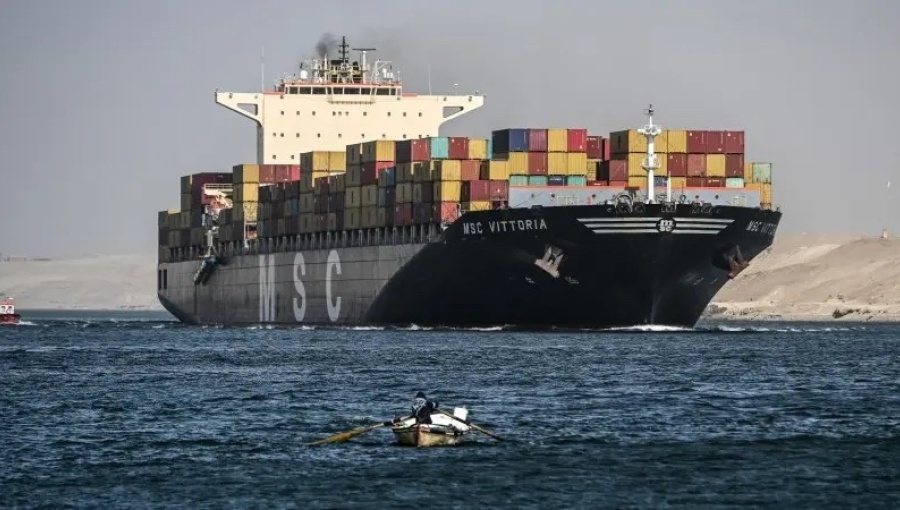
Cool Carriers, the world's largest operator of specialized refrigerated cargo ships, known as reefers, has denied allegations broadcast by Danish TV2 linking the group to a cocaine smuggling scheme off the coast of Denmark, insisting it had no operational control over the ships or crew involved.
The scandal erupted after Danish broadcaster TV2 reported on a police investigation into drug trafficking carried out by armed gangs using speedboats. According to the investigation, gang members found bags of cocaine thrown into the sea by passing container ships. One of the gangsters, 26-year-old Albanian Mustafa Xhaferaj, pleaded guilty and received a 15-year prison sentence.
In his testimony, Xhaferaj claimed that the cargoes were dumped overboard from two ships, the Cool Eagle and the Cool Explorer, which were transporting bananas from Ecuador to St. Petersburg. TV2 suggested that the ships were managed by Cool Carriers.
The company said the report was "categorically false." Cool Carriers is the commercial operator of the two vessels, but not the owner, and has no involvement in the day-to-day operations of the vessels, which it charters but does not operate. Operational control, including hiring and managing crew, rests entirely with the third-party owners, decisions in which Cool Carriers plays no role.
"This means we have been laid off twice by the crew," Glenn Selling, chief operating officer at Sweden-based Cool Carriers AB, told bne IntelliNews.
"The crew is employed by agencies hired by the owners. We have nothing to do with these decisions. This is the owner's responsibility and the owner makes all those decisions. It is their responsibility. When the investigation began, the police didn't even bother to interview us about the case. We learned about it from the media," he said.
Selling stressed that the narcotics trade has become a systemic threat to global shipping and is infecting the entire industry.
"It's an industrial scale problem," he told bne IntelliNews, adding that "no company can do anything against this alone. We don't have weapons on board our ships. We can't control everything. We need the help of the authorities. This is a problem of a scale that countries need to address. Of course, we do what we can."
The group operates more than 50 reefer ships, transporting fruit and other perishable products. Its largest offices are in Cyprus and Sweden, with additional operations in Chile, South Africa and the USA. It has no legal entities or representation in Russia.
The Cool Eagle and Cool Explorer are owned by third-party investors and are chartered exclusively by Cool Carriers. As a commercial operator, the company books cargo, arranges port processing and manages commercial costs. It does not select or supervise crews, nor does it control onboard activity during voyages. “That is the job of the management company or the owner,” Selling said.
Cool Carriers has introduced numerous safeguards against smuggling, including mandatory hull inspections by divers, thorough pre-departure checks and strict rules that prevent crews from disembarking at high-risk ports - particularly in South America. "We welcome customs inspections at any time. We cooperate closely with the authorities," Selling said. But he added that the responsibility for security ultimately lies with the port authorities and local customs services.
The drug business is booming
On March 15 of this year, the French Navy seized more than 6,386 kilograms of cocaine, worth 371 million euros ($400 million), during a naval operation in the Gulf of Guinea.
The raid was conducted in coordination with the United States Drug Enforcement Administration (DEA), the United Kingdom's National Crime Agency (NCA) and the Maritime Analysis and Operations Center - Narcotics (MAOC-N) based in Portugal.
The seizure is the latest in a series of large-scale cocaine seizures as the drug trade explodes due to increased supply and demand, much of which reaches its final markets by sea, Maritime Crimes reported in July.
The latest seizure follows a record seizure of 24.5 tons of cocaine at the port of Hamburg in June 2024. This shipment surpassed the previous record set six years ago in July 2019, when US authorities seized 20 tons of cocaine aboard the MSC Gayane, a Liberian-flagged container ship anchored in Philadelphia, operated by the world's largest container shipping company.
The Gayane seizure remains one of the largest ever recorded, with an estimated market value exceeding $1 billion.
In total, authorities around the world seized a staggering 1,838 tons of illegal substances in 2024, with 281 tons of this total being cocaine.
Coca leaf cultivation is expanding with most of the world's production concentrated in a small number of counties in the northern parts of Latin America.
The United Nations Office on Drugs and Crime (UNODC) has reported that global coca production is approaching 2,700 tons, with approximately 355,000 hectares under coca cultivation. Colombia accounts for 230,000 hectares, 65% of the global total, followed by Peru with 95,000 hectares (27%) and Bolivia with 30,000 hectares (8%). Smaller production areas remain in Panama, Nicaragua, Guatemala and Mexico.
Ekuadori është shfaqur si një problem në rritje. Dikur një destinacion udhëtimi paqësor, ai ka parë dhunë dhe paqëndrueshmëri politike në rritje , duke krijuar terren pjellor për kartelet. Peruja është gjithashtu e prekur nga situata të ngjashme, pasi qytete të tilla si Lima, Trujillo dhe Arequipa janë shkatërruar nga zhvatja, vrasjet me pagesë dhe dhuna e lidhur me bandat këtë vit. Ky mjedis krijon kushte ideale për operimin e karteleve. Punëtorët dhe zyrtarët korruptohen rregullisht për të vendosur narkotikë në bordin e anijeve. "Bandat janë të pamëshirshme", tha Selling. Një ngarkesë prej 1,000 kg kokainë mund të vlejë më shumë se 50 milionë dollarë në rrugët e Londrës.
“Konfiskimet rekord tregojnë si shkallën e trafikimit ashtu edhe përpjekjet në rritje nga forcat ndërkombëtare të rendit”, tha UNODC në raportin e saj të fundit.
Trafikimi detar i drogës ka ardhur në qendër të vëmendjes veçanërisht kohët e fundit, ndërsa administrata Trump nisi një seri sulmesh ushtarake ndaj anijeve që pretendon se po kontrabandojnë drogë nga bregu verior i Venezuelës në SHBA, duke nxjerrë në pah përdorimin e gjerë të transportit detar për të transportuar sasi të mëdha të substancave të paligjshme.
Rruga detare mbetet mjeti i preferuar i transportit të karteleve dhe fshehja e drogës në kontejnerë është hileja e preferuar, në atë që është quajtur një sistem “vjedhjeje/mashtrimi”, sipas një raporti të Maritime Crimes mbi tregtinë e paligjshme në rritje.
Por një metodë tjetër, "lënia e drogës", është bërë gjithnjë e më popullore ndërsa zhvillohet loja e vazhdueshme e maces me miun midis agjencive të zbatimit të ligjit kundër drogës dhe karteleve. Në thelb, trafikantët hedhin pako me drogë mbi anën e anijes ndërsa ajo i afrohet portit. Ajo ose mblidhet nga shtrati i detit nga zhytësit më vonë ose pakot qëndrojnë pezull dhe rikuperohen duke përdorur pajisje gjeolokacioni.
Së fundmi, në një botë me teknologji dronësh që po zhvillohet me shpejtësi, kartelet kanë filluar gjithashtu të përdorin anije gjysmë-nëndetëse vetëlëvizëse (SPSS) për të transportuar disa ton kokainë. Roja Bregdetare e SHBA-së tashmë po kap rregullisht SPSS në brigjet e Teksasit, Floridës dhe Kalifornisë, raporton Maritime Crimes.
Kartelet në det
Rrugët detare mbeten mjetet e preferuara të transportit të karteleve dhe kontejnerët janë një mënyrë e përshtatshme për të fshehur sasi të mëdha droge, duke i bërë anijet më të mëdha shumëkombëshe të kontejnerëve veçanërisht të cenueshme.
Cool Carriers ka vuajtur nga incidentet e para të mëdha me narkotikë. Por ky është bërë një problem i rregullt, të cilin kompanitë më të mëdha të transportit detar në botë po punojnë me dëshpërim për ta frenuar.
Maersk and MSC, the world’s two largest cargo carriers, have been repeatedly targeted. Mexican authorities seized 102.5 kg of cocaine from the Svendborg Maersk in 2020. Dutch prosecutors discovered eight tons of cocaine in a Maersk reefer container in Rotterdam in 2023, the largest single seizure in the port’s history. Employees were arrested as part of the investigation.
Bloomberg reported in 2022 that MSC had been “infiltrated” by cocaine cartels, a claim the company strongly denied, saying the smugglers used “innovative methods” that “could not have been anticipated or predicted by any honest shipping company.” MSC said its staff was not mandated or equipped to deal with organized crime that has hundreds of millions of dollars at its disposal.
Several crew members of the MSC Gayane were later convicted in the US for participating in an operation where boats were towed alongside the ship while drugs were taken aboard and hidden in containers.
Cool Carriers said its experience must be understood against this backdrop. Drug trafficking "acts like a parasite on the shipping industry," Selling said, adding that the group remains committed to full cooperation with authorities around the world.
“This is not a problem that any operator can solve alone,” he said. “But we will continue to do everything in our power to ensure that our ships remain safe and secure.” /Adapted from Intellinews /






Lini një Përgjigje