


 Shkruar nga Pamfleti
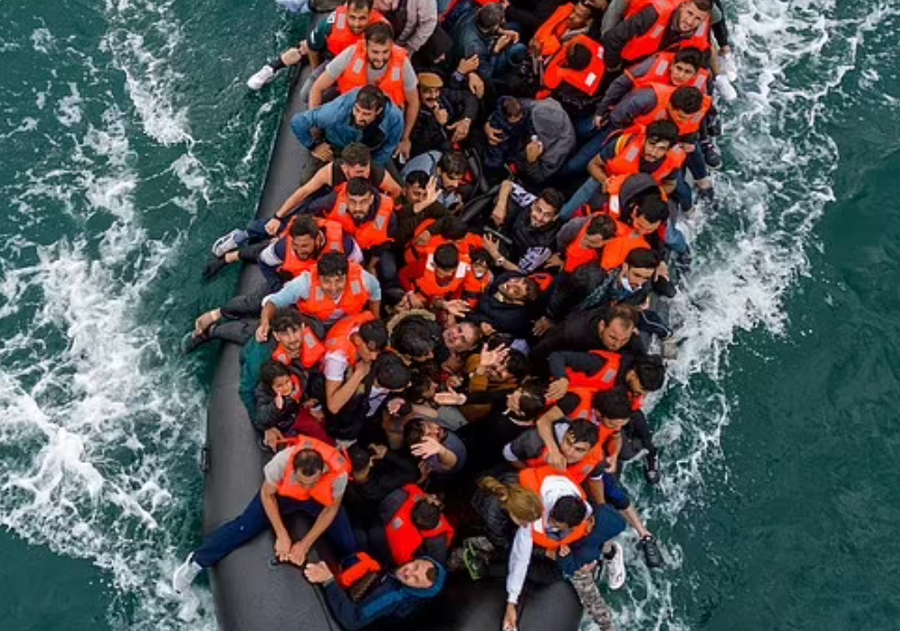
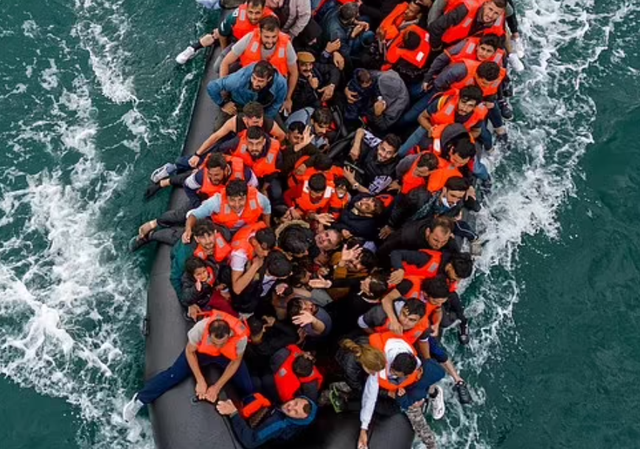
The government has shifted its focus to removing migrants from Britain and dismantling the gangs responsible for enabling their journeys.
The UK Home Office is considering the possibility of opening 'prison' camps for migrants, similar to the Meloni Government's scheme, which changed the function of the Gjadri camp from a processing centre to a prison, where migrants who have been refused asylum in Italy will be housed and returned to their countries.
British media reports that the Home Office is considering setting up 'return centres' in the Balkans for asylum seekers whose claims have been rejected and all appeal options have been exhausted to reduce pressure on Britain. The plan would involve payments to be made to partner countries for each person removed from the UK.
Similar plans are being considered in the European Union, with 'prison camps' set up outside the EU. EUFRA, the bloc's human rights body, said the centres should not become 'no-go zones'.
The Home Office spent £2.3 billion on accommodating asylum seekers in hotels in 2022/23 due to 'pressures on housing supply' and 'risks posed by global instability'.
The government has shifted its focus to removing migrants from Britain and dismantling the gangs responsible for enabling their journeys.

Labor abandoned the previous Conservative government's controversial plan to take migrants to Rwanda.
The UK signed agreements with Serbia, North Macedonia and Kosovo in an effort to crack down on organised crime gangs that traffic people with the final destination being the UK via the English Channel.
The National Crime Agency (NCA) - Britain's FBI - said earlier this month that it had deleted thousands of pages and social media profiles targeting potential migrants on social media.
And advertisements have been distributed in Albania, Vietnam and the Kurdistan Region of Iraq (KRI) trying to discourage people from crossing by small boats.
Advertisements distributed in the KRI, for example, warn of the risk of dying at sea, or of being enslaved by smugglers.

Another campaign targeted at Albanians, titled Stories from Britain, tells of Albanian immigrants sharing their stories of how life in the UK is not as rosy as it seems through social media.
The black-and-white images show squalid-looking residential properties covered in graffiti and feature accounts from migrants complaining about the cost of living and the difficulty of securing the right to stay.
'Në momentin që vini këtu në mënyrë të paligjshme, kështu do të vazhdojë jeta është shumë e vështirë, ky shtet nuk do t'ju lejojë të bëheni person juridik, sado të përpiqeni’, është një nga mesazhet që synon dekurajimin e emigrantëve.
Por një vlerësim i brendshëm i Zyrës së Jashtme të skemës arriti në përfundimin se kishte 'prova të kufizuara mbi efektivitetin' e asaj që ajo e quajti 'qasje komunikimi bindëse'.

A po rrezikohen viktimat e trafikimit?
Fondacioni Helen Bamber (HBF) publikoi një raport ku evidentohet se si klasifikimi që Qeveria i bën vendeve të origjinës së azilkërkuesve si 'të sigurta' i vë në rrezik serioz të mbijetuarit e trafikimit.
Raporti veçanërisht trajton të mbijetuarit shqiptarë të trafikimit dhe ndikimin e masave të qeverisë konservatore dhe laburiste për të kufizuar shqyrtimin e kërkesave shqiptare për azil mbi bazën se Shqipëria është një vend i sigurt origjine.
HBF sfidon narrativën e përhapur se shtetasit shqiptarë po keqpërdorin sistemin e azilit, në vend të kësaj duke vënë në dukje çështjet sistematike që i lënë shumë në rrezik shfrytëzimi.
“Retorika e kaluar politike dhe mbulimi mediatik i kanë fajësuar padrejtësisht migrantët shqiptarë për çështje brenda sistemit të azilit në Mbretërinë e Bashkuar”, thuhet në gjetjet e HBF.
Ish-kryeministri Rishi Sunak, për shembull, tha në vitin 2022 se një numër i konsiderueshëm i të ardhurve me varka të vogla ishin nga Shqipëria, një " vend evropian i sigurt dhe i begatë ", duke lënë të kuptohet se ata nuk kërkonin mbrojtje. HBF thotë se qeveria aktuale laburiste vazhdon të shtyjë retorikën se shtetasit shqiptarë do të kthehen shpejt sepse Shqipëria është e sigurt.
“Shqipëria vazhdon të jetë një vend burimi kryesor për viktimat e trafikimit, një fakt i pranuar nga Zyra e Brendshme në udhëzimet e saj të fundit për vendin. HBF deklaron se gati 1/4 e klientëve të saj që janë të mbijetuar të trafikimit janë nga Shqipëria, megjithëse burimet e kufizuara bëjnë që shumë të tjerë nuk mund të ndihmohen. Për më tepër, të dhënat nga Mekanizmi Kombëtar i Referimit (MKR) sugjerojnë se të rriturit shqiptarë të referuar për mbështetje trafikimi kanë po aq gjasa sa kombësitë e tjera për të marrë konfirmimin e statusit të viktimës, me 82% të të rriturve dhe 89% të fëmijëve të pashoqëruar që marrin vendime pozitive midis 2019 dhe 2023.
Gratë dhe vajzat shqiptare gjithashtu përballen me rreziqe të konsiderueshme”, sipas HBF.
Shumë prej tyre i janë nënshtruar shfrytëzimit seksual, shpesh pasi janë mashtruar nga burra që pretendojnë se u ofrojnë dashuri dhe siguri. Raporti përshkruan se si strukturat patriarkale të familjes mund t'i lënë gratë me liri të kufizuar, duke i bërë ato më të prekshme ndaj detyrimit.
The report highlights how restrictive government policies have made it increasingly difficult for Albanian asylum seekers to obtain protection in the UK. In 2022, 60% of Albanian asylum seekers were granted refugee status, a grant rate comparable to Italy and Ireland.
In December 2022, the UK and Albanian governments signed a joint memorandum on repatriations. At the same time, 'Operation BRIDORA' was launched, accelerating Albanian cases with the aim of rejecting as many as possible by declaring them 'clearly unfounded'.
The Independent Chief Inspector of Borders and Immigration later revealed that ministers had set a target to approve no more than 2% of Albanian applications—indicating a deliberate attempt to limit asylum rather than assess cases individually.
In May 2023, the Home Office launched a social media campaign to discourage Albanian nationals from coming to the UK. In addition, many Albanian asylum cases were marked as 'withdrawn' without being processed properly. Some claimants were asked to report in person but missed deadlines due to not receiving notices or fear of detention. Their cases were then closed without assessment.
HBF warns that treating Albania as a universally 'safe' country could lead to the misassessment of asylum claims, putting genuine survivors of trafficking at risk and breaching the UK's commitments under the Refugee Convention and the European Convention on Human Rights. / Prepared by Pamphlet /






Lini një Përgjigje