


 Shkruar nga Pamfleti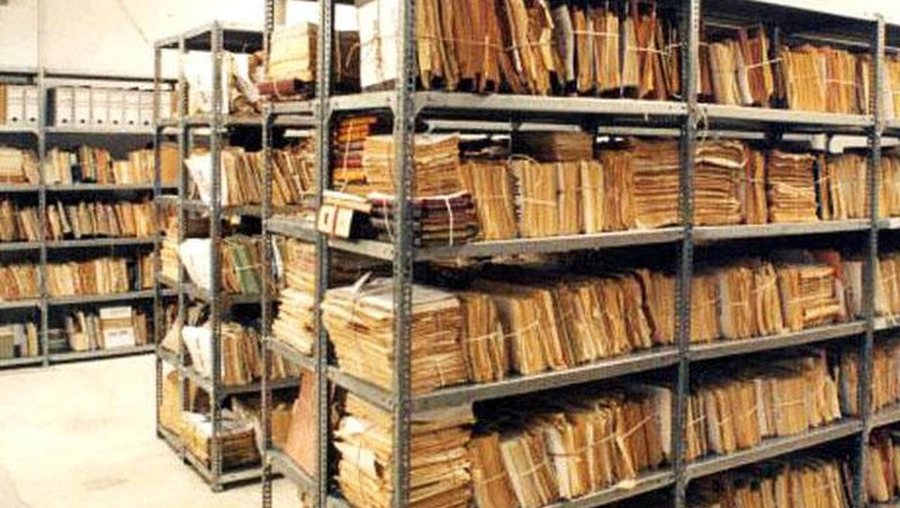
Memorie.al/ publishes a study conducted by AIDSSH (Authority for the Information of Former State Insurance Documents), entitled "DISAPPEARED - INSURANCE IN OWN WORDS", 19 INSURANCE BRANCH, 3299 JETH, 1 HISTORY', in which was used the "History of the State Security", which belongs to a period of time from 1943 to 1991, which includes 19 branches of the State Security, from the districts: Durrës, Kolonje, Burrel, Krujë, Lushnje, Dibër, Gramsh, Pogradec, Korçë, Tepelën, Elbasan, Lezhë, Sarandë, Gjirokastër, Vlorë, Shkodër, Tropoje, Skrapar, Librazhd and Tirana.
INSURANCE IN OWN WORDS
"Those who think that communist regimes are the work of criminals only, overlook a fundamental truth: criminal regimes were not formed by criminals, but by convinced enthusiasts..."!
Milan Kundera, "The unbearable lightness of being"
Opponents of the communist regime, former politicians, former collaborators of the Security, citizens who become part of the list of enemies, fugitives, clergy, former party secretaries, former ministers, artists, journalists and intellectuals, are found in the Historians of the former Security State, with a common denominator: victims of totalitarianism. No one, ever was safe.
Therefore, the order to live takes on the meaning of the order to save life, often even at the cost of other lives, reformulating Primo Levi's question: "Is he really human"?! Behind this duality and an amorphous mass that is powerfully silent, lies the history of a people, in more than four decades, which, through the Historians of the former State Security, is a calendar of murders, shootings, liquidations, annihilations and no less prisons and exiles .
They are the black stains that our society carries over time. Until yesterday secret documents, through the history written by the winners, are now summaries where they document their deeds. They are our black spots. For the construction of this exposition, the histories of the 19 branches of the former State Insurance in the country have been reviewed, from the reading of which they result; 510 killed by Sigurimi, mentioned by name in the respective historians and 470 killed without a name, who in the history appear in figures alongside others, defined as such: others.
The research for this exhibition, evidences persons for whose execution, Sigurimi assumes the authorship, in documents produced by him in the years 1973-1980, as it is claimed, worked carefully and edited scientifically. The documents span a wide period, which suggests that the activity of the Security has its beginnings since the Second World War, charging it with acts and actions against political opponents, even before the installation of the communist system in the country.
But should the State Security documents be taken for granted and should the information of these historians be treated as exhaustive? Of course not. Historians, as documents drawn up by the secret police structure of the system, unfold a summary of information, worked out in a period when the Security was consolidated and aimed at presenting events in a certain light.
In the histories declassified in the years 2019-2021 by the Authority, Sigurimi assumes the authorship of some events, simultaneously giving its own point of view on the names involved. The secret police admit that they have fought or eliminated in some ways the political opponents, who are referred to by the terms saboteurs, war criminals, enemies of the people, saboteurs, spies, bandits, kulaks and others, in clashes with whom, there are casualties from both the parties.
All this, through the first-hand testimonies of the Security, which also stops at the place of executions, but without exact coordinates. A list drawn up in the Ministry of the Interior, before the communist regime fell, counts 3,031 people killed without trial in the country. The Institute of the Former Political Persecuted, calculates in its data, 106 women executed or dead in prison.
Today, family members can request clarification of the fate of their relatives, according to the scope of the law 45/2015, amended, on missing persons. The study of the 19 historians at this stage is only the beginning, with this exhibition that encourages researchers to open all the documents, to delve into the research in the archives and to present all sides of history, for those tried in communism, those punished without trial, the dead in the investigator and others who still today need to be revealed and recognized for their true activity.
This exhibition, opened on the International Day of the Disappeared, aims to confess the victims of communism, limiting itself to the victims that appear in history, evidenced considering that - through different names, known or unknown, - the total of summarizes the methods of State Security harassment over the years, the methods used to catch opponents, from the invention of diseases, to the 'combinations' accepted by the Security employees themselves, through legends that imply the spread of fake news, "lightning investigators ", when it is accepted that "a hand was given", of the traps, shedding light around the circle, on the ways in which the recruitment of collaborators was done under duress, through pressure with the arrest of family members, or the confrontation with the child tied head to toe in the cell.
Kjo ekspozitë nuk është historia e plotë e tyre, por është versioni i historisë sipas Sigurimit, shkruar prej tij dhe pranuar prej tij. Në dokumentet e shfaqura apo të cituara, terminologjia e përdorur për kundërshtarët politikë, të arrestuarit, apo të vrarët, është e ashpër. Ata etiketohen si; kriminelë, spiunë, tradhtarë të atdheut, të degjeneruar apo me moral të ulët, ndaj leximi i këtij dokumentacioni, kërkon kujdes tejet të veçantë, dhe vetëdijen se ato përmbajnë shtresëzime të forta të ideologjisë komuniste.
Sigurimi flet me gjuhën e pushtetit, me qasjen politike të kohës, për të cilën ka rëndësi njeriu si trup i gjallë, i komandueshëm e i manipulueshëm prej saj. Si trup i pajetë, ai shërbente vetëm për të trembur kundërshtarët politikë, kur përdorej si “trofe” që e shfaqnin nëpër sheshe kalash, para turmave të tulatura ose në fotografi, për të trembur ata që ishin në hetuesi, siç qenë imazhet e Kokomanit, Lezhos e Koprenckës, që iu vunë para Fatos Lubonjës. Të pagjeturit mbeten njolla të zeza…!
Njolla të zeza janë pritjet e pafundme pa ardhur ende e ardhmja. Kjo ekspozitë rreket të japë të gjitha nuancat e të zezës, nga jugu në veri, për të paraqitur me dokumentet e vetë Sigurimit, qindra fate njerëzore në të njëjtin vend. Kjo ekspozitë është për të kuptuar se njollat e zeza, janë ende të zeza…! Për Hannah Arendt, “terrori bëhet total, kur bëhet i pavarur nga çdo lloj kundërshtie; ai sundon në mënyrë supreme, kur askush nuk ia zë rrugën. Nëse ligjshmëria është thelbi i qeverisjes jotiranike dhe paligjshmëria është thelbi i tiranisë, atëherë, terrori është thelbi i dominimit totalitar”!
Historiku i Sigurimit të Shtetit për rrethin e Durrësit, 1943 – ‘44
Në historikun e shkruar prej vetë punonjësve të Sigurimit para rënies së komunizmit, dokumentohen një sërë ngjarjesh të bujshme e të errëta të kohës, ekzekutime që patën mbetur pa autorë, si edhe metodat që u përdorën për survejimin, zbërthimin, apo asgjësimin e “armiqve të popullit”. Në fillim të vitit 1945, kur nis edhe instalimi i totalitarizmit të majtë shqiptar, me eliminimin e kundërshtarëve politikë, Sigurimi i Shtetit, apo Divizionet e Mbrojtjes së Popullit, përllogarisin që Durrësi ka të arratisur, të ndarë në 12 grupe me 89 anëtarë, që i cilëson “banda” e “banditë”.
Struktura informative që kishte nisur të bëhej hija përndjekëse e kundërshtarëve politikë të regjimit, bashkimet e individëve me mbi 3 veta, me prirje kundër sistemit, i cilëson “banda”, ndërsa mes tyre, kishte “banda” deri me 18 anëtarë.
Që në krye, mes armiqve të pushtetit përmenden si “banda” grupet e përbëra nga ish-drejtues dhe anëtarë të ‘Ballit Kombëtar’, ‘Legalitetit’ apo “bashkëpunëtorëve” të pushtuesve si: Xhemal Gjergjit, me tre pjesëtarë, Xhemal Gjokës, me 13 pjesëtarë, Mustafa Deliallisit me 6, Zyber Kokomanit me 3, Ymer Keqit me 5 veta, Tom Gallatës me 3, Bajram Vorës me 18 pjesëtarë, Sali Gjinit me 2 dhe Myrteza Çopës me 3 pjesëtarë, që në vijim asgjësohen ose arratisen. Synimi i pushtetit ishte eliminimi i tyre, duke qenë se jo vetëm ishin kundërshtarë, por përbënin edhe rrezik kryengritjeje.
Eliminimi i “bandave”, do të ndiqej nga zbulimi i grupeve antipushtet në çdo sektor, qytet apo fshat, deri te tendenca për “jetë të shthurur” që gjendej te muzika rock and roll apo, dëshira për të parë një anije. Që me marrjen e pushtetit edhe në vijim, Sigurimi kreu rekrutime bashkëpunëtorësh në Hekurudhë, Port, Kantier Detar, Peshkim, Ndërmarrja Industriale Goma, Bonifikim, Uzina Mekanike Bujqësore, Ndërmarrja Industriale Cigare, Ferma, Stacioni i Makina-Traktorëve, Parku Automobilistik i Mallrave, etj. Por gjithçka nisi, me “gjithë popullin”, që sillte informacione, sipas Sigurimit.
Plumba në gjumë…!
Tom Nikollë Gallata, kundërshtar i regjimit komunist, doli në arrati që në ditët e para të çlirimit. Sigurimi e cilëson kryetar të një bande që vepronte në zonën Ishëm – Krujë. Arriti të mbijetojë i fshehur për pothuaj 6 vjet, pavarësisht përpjekjeve të vazhdueshme për ta eliminuar.
Në prill të 1950-ës, u mor vendimi që ai të asgjësohet, me gjithë “bandën” e tij e, në pamundësi, të nxirrej në pritë edhe i vetëm dhe të vritej. Sigurimi kishte arritur të fuste në grupin e Tom Gallatës bashkëpunëtorin e tij “Kaçatura”. Një mbrëmje, në pyllin e Manzës në Durrës, “Kaçatura” bën për vete edhe një tjetër pjesëtar të grupit, V.T., i arratisur, por i lëkundur.
“Toma dhe Gjergji ishin në gjumë, kurse tre të tjerë (nga grupi) ishin nisur në Krujë, për të vrarë D.M., me gjithë fëmijët e tij. Natën e 7 prillit 1950, u bë dhe asgjësimi i tyre, ato vrasin Tom Gallatën dhe Gjergjin, e tre të tjerët u asgjësuan po atë natë, nga forcat e Sigurimit të Shtetit, pa arritur të kryenin krimin që u përmend më sipër”. Me vrasjen në gjumë, Sigurimi arrin të vërtetojë edhe besnikërinë e “Kaçaturës” për të cilin kishte dyshime.
Pritë e sigurt, për ish-partizanin
Ram Habili, biri i një ish-oficeri të Zogut, kishte qenë partizan në çetën e Myslim Pezës, deri kur një përplasje me Kajo Karafilin, e bëri të kalojë me ‘Ballin Kombëtar’. Më 1944, kur lufta po mbaronte, u shpall armik dhe doli në male ku ia doli të mbijetojë deri më 1951. I plagosur, bie në duart e Sigurimit nga kurthi i një bashkëpunëtori. “U shoqërua nga grupi special i organeve të Sigurimit të Shtetit me një gomar, për ta çuar ‘shtabin e organizatës’, duke i marrë edhe pushkën. U kap e u dërgua në spital, ku u kurua dhe u shërua”.
Qëllimi i organeve ishte që Ram Habili, njeri me influencë, të rekrutohej si bashkëpunëtor, kundër disa grupeve me rëndësi, por ai arriti të arratisej. Meqenëse Habili, ishte në dijeni të një “organizate” fantazmë, të drejtuar nga Sigurimi, operativët panë rrezikun e dekonspirimit, ndaj vendosën likuidimin e tij. “Ai u vu në pritë të sigurt, në afërsi të katundit Gjinaj të Kavajës dhe me datë 23 qershor 1951, u vra”.
Nga familja e tij, 5 fëmijë dhe dy gra të moshuara, vdiqën në internim, ndërsa i vëllai, humbi aftësitë mendore, për shkak të torturave.
Vrasja e ish-Kryeministrit
Ora 08:00, 11 tetor 1943, lagjja tregtare, Durrës. Ish- zv/kryeministri Idhomen Kosturi, del nga shtëpia dhe niset drejt automobilit që do ta çonte në Tiranë. Qëllohet me plumb dhe bie i vdekur.
Pak ditë më parë, gjermanët e kishin zgjedhur ta emëronin në krye të asamblesë (Parlamentit) si person të pa komprometuar. Tregtar i madh në Durrës që, sipas Historikut të Sigurimit “ishte pasuruar së tepërmi gjatë okupacionit”, Qarkori i Partisë vendosi që ai “të mos arrinte të shkonte në Tiranë për të filluar punën, por të vritej”, ndaj pas disa ditësh në vëzhgim, ekzekutohet afër shtëpisë së tij.
I shkolluar në Boston për histori, njohës i disa gjuhëve të huaja, pjesëmarrës në Kongresin e Elbasanit, atij të Durrësit e Lushnjës, kryeministër më 1921 dhe zëvendëskryeministër i Nolit më 1924, Sigurimi e cilëson vetëm tregtar dhe jep datën e mësipërme për ekzekutimin e tij. (Historiku i Sigurimit Durrës, është dokument i përgatitur në vitin 1977).
-Vrasja apo vetëvrasja e ish-komandantit?!-
Në përpjekjet e regjimit për eliminimin e kundërshtarëve, ish-komandanti i Xhandarmërisë së Shijakut, Mustafa (bej) Deliallisi, ishte ndër më kryesorët në Durrës. Ndonëse kishte qenë mik i Myslim Pezës e Kajo Karafilit, përndjekja e fisit të tij kishte nisur shumë herët, me 7 të vrarë, nga 1944-a, deri më 1948-ën, nga të cilët, dy ishin vëllezërit e Mustafait dhe vetë ai më 1948.
I fshehur në zonën e Shijakut me 6 kundërshtarë të komunizmit, Historiku i Sigurimit, nuk sqaron se si u arrit te Mustafa Deliallisi, as vendin ku iu bë prita, por informon vetëm mbi vrasjen. “Mustafa Deliallisi u gjend i rrethuar nga forcat e Sigurimit të Shtetit dhe mbas një rezistence, mbetet i vrarë. Me vete iu gjet dhe një bllok shënimesh, në të cilën kishte të shkruar në formë ditari dhe një pjesë të veprimtarisë së tij”.
Mbesa e tij ka rrëfyer se Mustafa Delialliasi, pasi dogji dokumentet, u vetëvra në shtëpinë e saj me 18 dhjetor, për të mos rënë në duart e komunistëve që e kishin rrethuar. Trupi i tij, u ekspozua tri ditë në Shijak
“Banda” social-demokrate
Në laminë e mendimit politik, Partia Komuniste, kishte eliminuar që gjatë Luftës e mandej pas saj, mendimin politik ndryshe, i organizuar në parti ose pa arritur të bëhej parti. Ndërsa përfaqësues të mendimit social-demokrat qenë arratisur, si Isuf Luzaj, ose ishin në burg, si Musine Kokalari.
At the beginning of the 1960s, during the period of aggravation of relations with the Soviet Union, the history of Sigurimi speaks of the tracking of a new social-democratic group. The first to report to the Security authorities is the "Assistant" and after him the "Assistant's" brother, the "Volunteer".
The first suspicions that haunted the group started from the statement of ZK, (according to Sigurimi, a vagabond and adventurer), that the power's days are numbered. The "assistant" dismantled his friendly circle, which also included Pjetër Arbnori, whose father was killed by a guerrilla unit, for whom, in 1961, the long ordeal began.
The "reactionary group", as described by the Security Historian, which had 2 brothers follow them, included, in addition to ZK and Pjetër Arbnori, also Tanush Kason, Uran Kalakula, etc. When it was learned that Pjetër Arbnori and ZK would go to Tirana for the group meeting as representatives of Durrës, the agent "Volunteer" was instructed that on the morning of 27.5.1961, he would meet with ZK and find out when they would leave, what they would travel with and where they would hide the program.
He learned that they would travel to Tirana by train, and they would also receive a copy of the Party's program. The "volunteer" had seen that Zeqiri had put the program in the inside pocket of his jacket and he had told him that Pjetri also had a copy with him.
"They were under constant surveillance and after the associate informed the operative, action was taken against them, catching Pjetri on the street and ZK at work. A copy of the program of the "social-democratic party" was found during the search, and based on this material and the denunciation made by SR, they were arrested. The Ministry was notified to act on the other group in Tirana, and they were arrested within the day. In this way, the anti-revolutionary organization was also eliminated from the State Security bodies of the Durrës district".
"In the conditions of a debauched, adventurous life, mixed with foreign ideology from a bad family and social environment". From the middle of 1962, the "Sputnik" agent reported to Sigurimi that; "a group of young people in different houses organized family evenings and there they danced and sang wildly, such as jazz songs, twist again, rock and roll, etc. and indirectly expressed hatred towards life in our country, etc".
The information is taken very seriously by the operational sector, which started reviewing the biographies of what it describes as a "hostile group" with a tendency to escape. At the head was 19-year-old Njazi Luli, proficient in English, former employee at the steamship agency, middle-class, unmarried and student at the Shkodër Pedagogical Institute.
Sigurimi notices the tendency to escape in the desire of young people "with a bad political background and attitude" to "secretly board the steamers of the revisionist capitalist states, but they handed them over because they were afraid of being dictated to"!/Memorie. al






Lini një Përgjigje