


 Shkruar nga Pamfleti
The phenomenon of financial institutions dealing with the collection of bad loans, loans of various consumers which they have bought from second level banks, has spread a lot in our country.
It turns out that these financial institutions have enslaved even more of these creditors through fraud.
They didn't know what predicament they were getting themselves into, even though the loan they were signing at a second-tier bank was an almost negligible amount, just for their current consumption needs. However, ML and A. L, two spouses with a modest income, had no way of knowing that that small loan of 50 thousand new lek, would one day turn into a multiple burden, just because of negligence. They thought they had it paid off in 2006, but one day, many years later, bailiffs came to their door to collect the debt on behalf of a bad debt collection company. This company had bought the debt of the spouses from the second tier bank. This was only the beginning of the long ordeal of hardships that the married couple faced.
After collecting the debt, the company 'Micro Credit Albania' did not stop at this activity, but also added an interest to the couple, which made the repayment of the loan difficult. The value of the loan increased from 50 thousand new ALL to 212 thousand new ALL. Not only that, but it also froze all their accounts until an agreement was reached between them and the bad debt collection company. This arrangement was devastating for the spouses' budget.
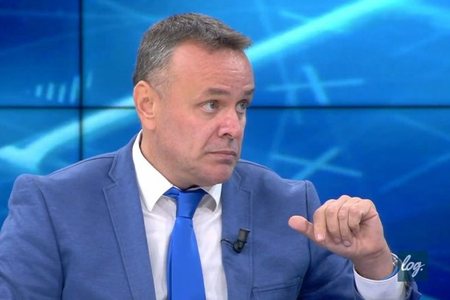
Vjoldi Danaj, Economic Policy Expert: In contrast to Europe, where they have a very specific legal framework, in Albania this legal framework does not exist and these institutions are allowed some abusive space. In Europe, before it passes, it is called credit assignment, that is, the sale of credit to one of these institutions which are authorized, certified and registered in a special register. And at the moment when the loan is assigned, the original creditor communicates with the debtor that his obligation will be transferred to another company.
The above case was not isolated to the two spouses who were involved in this scheme. They were forced not only to play with the old loan, but also to take out another installment loan to pay off the increased debt, which was four times higher than the initial one. This happened through an arrangement that ensnared many other similar creditors. Soon, through this scheme, they faced the blocking of accounts up to the seizure of real estate. This happened for amounts that, in fact, were smaller and almost modest compared to the real estate that was being foreclosed on.
Vjoldi Danaj, Economic Policy Expert: Usually the sale and purchase of debt happens with a percentage, discount or discount. So if we have the company 'X' that has to receive loans from a debtor which can be 10 ALL, it sells this obligation to these institutions making a deduction since from 10 ALL it can sell it for 8 ALL and 2 ALL is profit the institution that buys the debt.
In this case, the institution that buys the debt enters into discussions with the debtor and manages to get at least 90% of the value or 9 ALL in this case. So you can't get 100%, but you get up to 90%.
Although the case of the two spouses who were taken hostage by the company 'Micro Credit Albania' was not the only one, it only told a part of the wider story. Similar companies were already distributed in the market and operated with the same methodology. After purchasing bad loans from second-tier banks, they would go on the offensive by ensnaring customers through the threat of foreclosure.
Vjoldi Danaj: These institutions abusively force clients, some of them do not know what they are signing, to sign several papers to get a second loan to repay the first loan. Yes, the interest these institutions have are many times higher than the interest this borrower may have had with a second-tier bank in this case.
Many of the so-called debtors did not realize anything until they faced the freezing of their bank accounts, or even when their properties passed under the control of court decisions and companies sent to collect bad debts. These debtors were not even summoned to be present during court hearings, where their properties or bank accounts were frozen.
Vjoldi Danaj: They also abuse the individual's privacy, which means beyond the countless phone calls with no schedule, days off, holidays that they don't know, they then move on to communications with their family members. So here is a violation of the individual's right to reservation.
Sot, e vërteta është se ‘Micro Credit Albania’ nuk është e vetmja kompani që ka blerë kreditë e këqija dhe, përmes kësaj skeme, po grabit kreditorët e pamundur, duke i zhytur ata gjithmonë e më shumë në pamundësi të reja. Ajo që dikur konsiderohej si e drejtë e bankave të nivelit të dytë për të mbledhur kreditë e këqija, sot duket se është kthyer në një formë moderne skllavërie. Këta kreditorë, në vend që të mbroheshin, janë rënë pre e një tjetër robërie, që duket edhe më e rëndë.
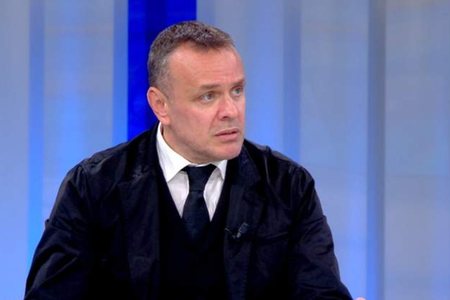
Eduart Gjokutaj, Ekspert i Ekonomisë: Si çdo lloj institucioni i cili duhet të jetë në zbatim të përhershëm, të jetë konsenkuent në ndjekjen e rregullave dhe këtu nuk duhet ta lejojë atë që quhet teprimi , kalimi I kufirit dhe ruajtja e një sensi mase dhe balancash midis institucionit të mikrokredive dhe bankave për të mos kaluar në një mbivlerësim të një dege nga një tjetër.
Sipas ekspertëve, kjo skemë nisi të aplikohet kryesisht pas vitit 2014, periudhë kur ekonomia globale hyri në një stanjacion ekonomik dhe kriza e likujditetit u bë gjithmonë e më pranishme, duke prekur bizneset dhe kreditë individuale. Kjo krizë u shfrytëzua me sukses edhe në Shqipëri, ku filluan të lindnin dhjetëra kompani. Këto kompani, pasi blinin kreditë e këqija nga bankat e nivelit të dytë, filluan ti mbledhnin ato duke shkelur rëndë të drejtat e këtyre kreditorëve. Situata arriti deri aty sa atyre u vendosej gjoba, duke shkuar në masën e 30 për qind.
Vjoldi Danaj, Ekspert i Politikave Ekonomike: Shpeshherë këto institucione financiare dërgojnë komunikime në adresa fallco ose në adresa që nuk janë të kredimarrësit.
Kjo bëhet me tendencën që të zgjatet sa më shumë koha e detyrimit dhe të paguajë komisione.
Dhe shkon vlera e komisionit më e lartë se principali. Kur kjo nuk mund të ndodhë sepse nëse merret 50 000 lekë kredi ose borxh, principali mund të shkojë deri në 200, 300 apo 400 000 lekë në total, dhe kjo nuk ka sens dhe logjikë. Dhe kjo është tendencioze nga këto lloj institucionesh.
Ky operacion duhej të kishte mblidhur kreditë e këqija nga kreditorë të mëdhenj, por në fakt përfundoi si një aksion për të grabitur të pamundurit, sidomos kreditorët e vegjël. Nismëtari i këtij operacioni ishte ish-zv. kryeministri i kohës, Arben Ahmetaj. Ai e pa si zgjidhje për problemet e borxhit që kreditorët kishin ndaj bankave, shitjen e këtyre kredive të cilat u konsideruan të këqija te institucione të licensuara për të mbledhur këto borxhe. Pas aprovimit të këtij megaoperacioni për pastrimin e kredive të këqija, në Shqipëri, brenda një periudhe të shkurtër, u shfaqën dhjetra institucione tagrambledhëse.
Selami Xhepa, Ekonomist: Normalisht Banka e Shqipërisë është autoriteti mbikqyrës si për bankat ashtu dhe për institucionet financiare jo banka ku përfshihen institucionet e mikrokredisë, njëkohësisht edhe shoqatat e kursim kreditit.
Në Shqipëri dihet që operojnë gati 40 të tilla deri tani dhe që kanë në përgjithësi një volum aktiviteti që mund të shkojë deri në 1 miliardë Euro. Çka do të thotë që nga një vit në tjetrin pesha e tyre ka ardhur në rritje.
Kjo skemë u zbulua edhe nga Ministria e Drejtësisë, pasi u konfrontua me ankesa të shumta nga kreditorët. Ata jo vetëm u përballën me këtë fakt, por edhe këto institucione bankare, në bashkërendim me disa shoqëri përmbaruese, vendosën një penalitet prej 30 përqindësh mbi vlerën e detyrimit, duke e bashkuar edhe interesin. Ky veprim nuk përputhej me principet sanksionuese të rregullorjes së Bankës së Shqipërisë për këtë lloj rasti. Në një situatë dëshpëruese, ku pronat apo llogaritë e tyre ishin të bllokuara, debitorët ishin të detyruar të paraqiteshin pranë shoqërive përmbaruese, të cilat ishin lidhur ose krijuar nga këto institucione bankare. Kjo ishte e vërtetë edhe për ‘Micro Credit Albania’, e cila kishte kontraktuar zyra përmbarimi, por në fakt ishin vetë kjo kompani. Këta debitorë këshilloheshin nga përmbaruesit të lidhur me këtë kompani që, me qëllim të shlyerjes së borxhit, të lidhnin një aktmarrëveshje me ‘Micro Credit Albania’, duke përfshirë edhe penalitetet e vendosura.
Vjoldi Danaj, Ekspert i Politikave Ekonomike: Përmbaruesit sot kanë dalë nga shinat, nëse mund ta themi në gjuhën popullore, dhe tashmë po i tejkalojnë të gjitha kompetencat e tyre duke shkatërruar bizneset por qoftë dhe në mënyrën e tyre individët. Kështu që të tre institucionet që thashë pak më lart duhet të jenë ato që duhet t’i monitorojnë të dy këto institucione të tjera.
Kjo skemë e cila u zbulua edhe falë një hetimi të nisur, tregoi se zyrat e përmbarimit ‘Shërbimi Përmbarimor Zig’, ‘Star’ dhe ‘Flash’, nuk ishin askush tjetër përveçse ‘Micro Credit Albania’.
Ndërsa borxhlinjtë merreshin për dore nga zyra e përmbarimit dhe çoheshin pikërisht te ‘Micro Credit Albania’, aty ku do të duhet të firmosnin marrëveshjen e vendosur në tavolinë pavarësisht se sa rënduese ishte ajo për ata.
Vjoldi Danaj, Ekspert i Politikave Ekonomike: Ka raste që unë kam dëgjuar që për një vlerë 100 000 lekë i është sekuestruar shtëpia, makina.
Kjo është totalisht në shkelje. Vlera duhet të jetë në proporcion me vlerën e kredimarrësit. Në momentin që tejkalohet kjo vlerë atëherë do të thotë që dhe përmbaruesi është në abuzim.
Pra kemi dy abuzues në këtë rast. Kemi institucionin financiar dhe përmbaruesin.
Vetë përmbaruesët bashkë me institucionet financiare janë bërë problem shumë i madh për shoqërinë, jo vetëm për sipërmarrjet por po dëmtojnë dhe vetë pjesën e privatit.
According to the investigations, the debtors did not see the money with their eyes, as it was transferred immediately by breaking a check to the account of 'Micro Credit Albania'. The Ministry of Justice, investigating after numerous complaints from already enslaved debtors, discovered that they had been forced to sign up to 3 new loan contracts, which had a value up to 2, 3 or 4 times higher than the initial obligation . Thus, they became victims, without knowing that they were the prey of this fraud scheme, while the Ministry of Justice identified numerous cases of this nature during the investigation./ On target


Lini një Përgjigje