


 Shkruar nga Dashnor Kaloçi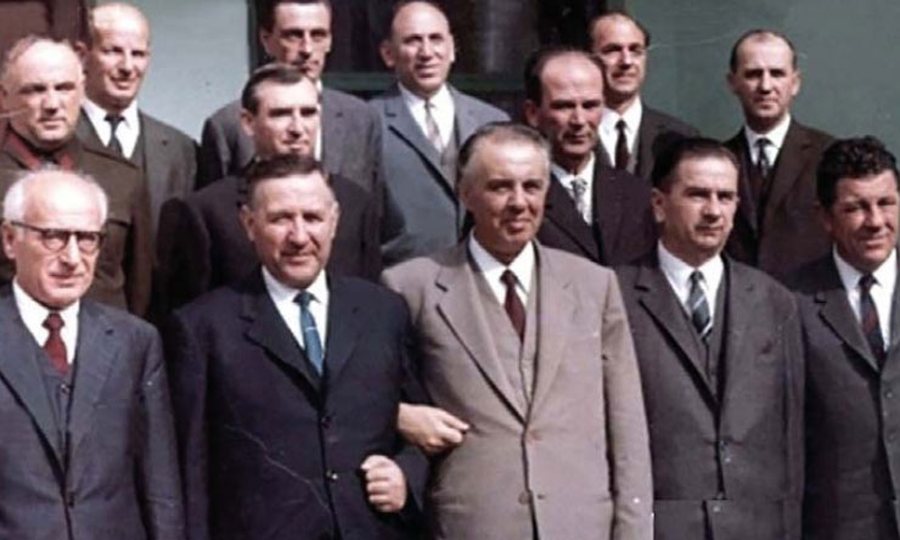
In mid-October 1982, immediately after the arrest of former Interior Minister Kadri Hazbiu (then Minister of People's Defense) and his deputy, Feçor Shehu, (then Minister of Interior, arrested on March 22, 1982), at the request of Enver Hoxha and by order of Hekuran Isai, the Special Operative Group was created, headed by the Deputy Minister of Internal Affairs and at the same time Director of State Security, Zylyftar Ramizi, with Enver Zeneli and Hasan Ulqinaku as his assistants. The main task of this group was; "Discovery and investigation of the activities of the hostile group", headed by Kadri Hazbiu, which also included Feçor Shehu, Llambi Ziçishti, Nesti Nase, Mihallaq Ziçishti, Llambi Peçini, Fiqret Shehu, etc., as well as the connections they had with former Prime Minister Mehmet Shehu.
In addition to other tasks, such as; reviewing, studying and analyzing a large number of files and archival documents, belonging to a long period of time (1945-1982), the "Special Operational Group", called and asked some of the former senior officials of the leadership of the Albanian People's Army and former senior management cadres of the Ministry of Internal Affairs, State Security officers, etc., to provide in writing, what they knew or had doubts, regarding the "hostile activity", of Kadri Hazbiu, Feçor Shehu, or other persons with whom they had been connected by work or not, during the period that they had served at that ministry, or in the Internal Affairs Branches in the districts, in the Political Intelligence sector, at our diplomatic missions accredited in various countries of the world, etc.
Just as he had done since 1945, with almost all the "hostile groups", where many of his close associates, former high-ranking party and state officials, such as; Koxi Xoxe, Nako Spiro, Kristo Themelko, Pandi Kristo, Nesti Kernexhi, Tuk Jakova, Dali Ndreu, Liri Gega, Panajot Plaku, Koço Tashko, Beqir Balluku, Petrit Dume, Hito Çako, Koço Theodhosi, Abdyl Këllezi, Fiqret and Mehmet Shehu, etc., had been accused as "UDB agents", even the so-called "Kadri Hazbiu's hostile group", Enver Hoxha would not spare them that accusation at all. Based on this, the Special Operative Group headed by the director of State Security, Zylyftar Ramizin, which was established immediately after the arrest of Kadri Hazbiu in October 1982, immediately began work on studying the archival files in charge of the Yugoslav embassy in Tirana, looking at documents belonging to that "object" since 1945.
For the selection of the documents in question and the preparation of a detailed information report that would be made available to the Special Operations Group and then to the special investigation group headed by Pelivan Luçi and Thoma Tutulani that would conduct the investigation process against the “hostile group of Kadri Hazbiu and Feçor Shehu”, the State Security investigator, Shkëlzen Bajraktari, (part of that investigation group), was assigned, who due to his origin from the Tropoja district, was assumed to be better acquainted with the “UDB agents” and the files in their charge. In this context, this archival document, which was extracted from the Archives of the Ministry of Internal Affairs (now part of the fund of the Authority for Information of Documents of the former State Security), is also part of this article, which is being published in full in this article along with the relevant facsimiles, by Memorie.al
Continued from the previous issue
SECRET DOCUMENT COMPILED BY STATE SECURITY INVESTIGATOR, SHKELZEN BAJRAKTARI, ON THE HOSTILE ACTIVITIES OF THE YUGOSLAV EMBASSY IN ALBANIA IN THE PERIOD 1945-1983, THEIR "AGENCY" AND THE INTERCEPTIONS OF ITS DIPLOMATS
Secret
Single specimen
Tirana, 7.2.1983
: INFORMATION
According to investigator Shkëlzen Bajraktari, from 4.2.1983 to 5.2.1983, the file of the Yugoslav embassy facility, of the 2nd branch of the State Security Directorate, was studied. From the study of this file, the following main moments attract attention:
List of Yugoslav persons who engaged in espionage activities against our country 1945-1950 – (page 141)
– S…B…. – N/director for the construction of the H/road.
– M….K… – chief of the personnel of the H/road enterprise.
– ..S… – professor, director of the special course.
– A…R….director of the H/road personnel.
– A…B…director at the H/road.
– J…A… – until 1946, at the H/road, in 1947, attaché of the legation.]
– K…D… – deputy attaché.
– D…F… – secretary of the legation.
– A…P… – responsible for the airline.
– D…K… – advisor of the legation.
– S…F… – advisor in the MUP
– V…K… – advisor in the Army Security.
In the report on Janko Havlacheku (page 147).
"….Janko asked where Behar Shtylla, Hysni Kapo were, whether Nesti Kerenxhi had been arrested, whether a trade delegation was going to Yugoslavia and what impression it had made on the people; whether he knew about a tract they had distributed that talked about Enver Hoxha..."!
– Relacioni mbi Sekretarin e parë të legatës Jugosllave në Tiranë Drago Flis, përpiluar më 29.3.1954 nga Rexhep Kolli, ku kërkohet që Drago Flis, të mos vijë më në Shqipëri, sepse është kuadër Zbulimi, (faqe 151). Mehmet Shehu ka vënë këtë shënim. “D. II. U pa. Nuk mund të ndalohet ardhja e tij. Kur të vij, të përpunohet aktivisht”.
– Në relacionin e datës 10.9.1956, (faqe 152), “Mbi veprimtarinë armiqësore të Arso Mulatoviq”, drejtuar Ministrisë së Punëve të Jashtme, thuhet: “…Më datën 20.1.1957, Arso Mulatoviq, duke kaluar me makinën e tij për në Jugosllavi, gjatë rrugës për në qytetin e Shkodrës, merr në makinë dy katundarë, të cilët i pyet: “A ju vjen Sadik Bocaj në Grilë dhe si ju duket, a është ndonjë farë burri, si e trajton popullin e Vrakës”?
– Në relacionin e këshilltarit të ambasadës jugosllave, Millorat Komatina, datë 15.X.1975, faqe 208, thuhet: “…Gjatë kontakteve me agjenturën, Millorat Komatina është interesuar për kryerjen e zboreve ushtarake në Universitetin e Tiranës, për shkarkimin e rektorit të Universitetit për masat e marra ndaj Fadil Paçramit e Todi Lubonjës.
Gjithashtu është interesuar për shëndetin e Udhëheqësit kryesor të Partisë dhe udhëtimin e Ministrit të Shëndetësisë urgjent për në Francë….ndërsa në takim me diplomatë të vendeve të ndryshme është interesuar për gjendjen dhe ndryshimet në Ministrinë e Mbrojtjes Popullore, shkarkimin e Beqir Ballukut, Petrit Dumes, Hito Çakos dhe personat kush do t’i zëvendësojë”!
Dosja 3/1
Në informacionin e datës 24/1.1973, (faqe 6), “Mbi bisedat e ambasadorit turk Erxhyment Tataragas dhe Atasheut të kësaj ambasade, Beqir Ersa, rreth miqësisë që kanë patur me Sekretarin e II-të të ambasadës Jugosllave në Shqipëri, Stojançe Stojnçiç, ndërmjet të tjerave, theksojnë: “…një muaj para se të bëhej stërvitja ushtarake në Shqipëri, thotë ambasadori turk, ai (Stojnçe), dinte datën ekzakt se kur do të fillonte ajo dhe sa ditë do të vazhdonte…ai (Stojnçe) i kishte të dhëna të sigurta edhe për udhëtimin e Kryeministrit (M. Shehut) për në Francë, bile edhe datën ekzaktë të nisjes së tij për në Paris”.
– Në informacionin Nr. 58, (faqe 136), ambasadori turk, Tataragos, para B.p. “Aeroporti”, është shprehur: “….ku është Ministri i Mbrojtjes, kush është tani Ministër Mbrojtje, flitet se Ministër Mbrojtje do të emërohet ish-Shefi i Shtabit të Përgjithshëm”!
– Në informacionin Nr.74, datë 22.11.1974, (faqe 139), këshilltari i ambasadës Jugosllave, Millorat Komatina, një burimit tonë, i ka thënë; “kemi dëgjuar se edhe Hito Çako, është bashkëpunëtor i Beqir Ballukut…kemi dëgjuar se edhe Petrit Dumja, nuk është në pozita të mira, i kanë hequr rojën dhe shoferin. Flitet gjithashtu se edhe ndërmjet udhëheqësve kryesorë të Partisë dhe të Shtetit, marrëdhëniet nuk janë të mira.
Kryeministri me Hysni Kapon, nuk i kanë punët mirë. Edhe Beqir Balluku ka pasur fërkime me Kryeministrin. Këtu duhet të ketë diçka serioze, ndoshta ndonjë gjë që ka të bëjë me Kinën, sepse atasheu ushtarak kinez, u largua pa pritur nga Shqipëria. Flitet për Beqir Ballukun se ka qenë në shërbim të Bashkimit Sovjetik”.
– Në analizën e datës 29.8.1975, (faqe 168), “Mbi veprimtarinë armiqësore të Ambasadës Jugosllave kundër vendit tonë gjatë viteve 1971-1975”, përgatitur nga Feçor Shehu dhe Kadri Hazbiu, në fund kanë vënë këtë shënim: “E studiova materialin. Më duket se është fryt i një analize të mirë të punës – i rrahur mirë nga ana politike dhe ideologjike, e sidomos përshkohet nga një gjykim i mirë profesional. Mendoj se:
Duhet të evidentohen edhe disa forma të mira pune të kësaj qendre të kualifikuar të Zbulimit Jugosllav. Të dalin më mirë disa detyra që nxjerr kjo gjendje pune e frytshme që duhet bërë nga ana jonë. Në fund, mund ta dërgojmë për mësim. Njohja dhe marrja e masave nga organet poshtë. Mund të vlej pastaj edhe për shokun Hysni, sh. Ramiz dhe Nesti.
Ta marr edhe Drejtoria e III-të e Sigurimit (30.8.1975).
Në informacionin e TO, Nr. 55, datë 14.2.1977, midis disa pjesëtarëve të ambasadës jugosllave, Qemal dhe Nexhmije Muhaxherit, Ranko dhe Senko Markoviçit, e Shaban Hysenit, thuhet se: “…..Mehmet Shehu është cilësuar gjithnjë e më shumë si njeri i devotshëm dhe besnik e i aftë për të qenë në Udhëheqje të Partisë, të cilin Koci Xoxe dhe Pandi Kristo e kishin cilësuar si njeri që nuk kishte aftësira, krahas mendimeve dhe shprehjeve që e kishin lidhur me Enverin, si personin kryesor, Sekretarin e Përgjithshëm të Partisë,….Mehmeti i duhej Enverit, si njeri i njohur në vendin e tij dhe si strateg me përvojë të Luftës së Spanjës.
Prandaj ai do të bënte çmos që Mehmeti ta mbështeste për ta ngritur në një post Udhëheqës dhe përkrahës të tij. Këtu konsiston qëndrimi i Mehmetit në anën e Enverit. Mehmeti deri më 1948, nuk ka qenë as anëtar i Komitetit Qendror të Partisë….është i fortë, strateg i madh, me t’u formuar Brigada e Parë Sulmuese, Mehmeti u emërua komandant i saj dhe u dallua në beteja e në luftime të shumta kundër gjermanëve….Ranko më ka pas thënë dikur, se faktori kryesor që fitoi Enveri, ishte Stalini, qëndrimi i tij kundër nesh,…Enveri ishte gati në humbje, pothuaj i vetmuar, po ishte letra e Komitetit Qendror të Partisë ruse, dërguar Komitetit Qendror të Partisë që e shpëtoi atë.
Otherwise, the situation was almost in the hands of Koci and Pandi. For a whole year, Enver was ignored, he remained lonely and isolated, but then Stalin came to his rescue, ... the entire attitude of Koci and Pandi, throughout the development of the situation, had isolated Enver, but if his text had been different, so as not to bring about the murder of Nako Spiro, who gave support to Enver's views, the situation would have developed differently and Stalin would have influenced, but with great difficulty, because the situation would have been secured before this intervention, it would have been completely in our hands.
– At the end of the information, comrade Isa Dervshi notes; I think we should make an information for the top. It is interesting to know. Below, Rakim Beqaj notes: “The family knows these things much better.” (Date 16.2.1977).
– In the information dated 26.2.1977, (page 270) which refers to the conversations between the Turkish ambassador, Bulent Kestil, and the Yugoslav ambassador Trajko Lipkovski, it is stated:
Trajko Lipkovski: "My meeting with the Prime Minister was warm. He did not hide anything from me, he told me positive and friendly things. He spoke a lot about the situation in the Balkans, but he did not accuse anyone of wrongdoing. Regarding Albanian-Yugoslav relations, despite the already known contradictions, he expressed the opinion that there are areas where cooperation can be achieved. He reiterated once again their position, not allowing anyone to attack Yugoslavia from their territory."
Bulent Kestel: "In the meeting I had, it went very well. His attitude towards our country was very friendly. I found that the Albanian Prime Minister was quite concerned about a further expansion of the Russians in the Mediterranean. He said that the Russians want to make the law in the Mediterranean and on the other hand, they want to enter the Adriatic, through the Yugoslavs."
From the entirety of the materials we studied in the files of this facility, the time of the so-called "normalization period" is not evident, in the sense of the cessation of operational work towards the Yugoslav embassy, for which there is no written document, except for oral statements from various Sigurimi cadres, for that period.
Given the fact that the Yugoslav representation in Tirana has served as the outpost of all revisionist revelations, these enemies have not made any proposal or attempt to deploy Operational Techniques to uncover in depth and breadth the agent activity of the cadres of the Yugoslav embassy in Tirana, with their agents in our country./ Memorie.al



Lini një Përgjigje